2026 Best Mattress How to Choose the Right One for Back Pain?

Time:2026-10-13 Author:Sienna
0%

Choosing a mattress for back pain can feel like testing shoes in the dark. The wrong surface may leave your hips sinking, shoulders tense, and lower back stiff by morning. The right one should support your natural spinal position without creating pressure around your ribs or hips. Comfort matters, but comfort alone is not enough.

This 2026 guide explains how to choose the right mattress for back pain using practical checks and evidence-informed advice. It compares firmness, support layers, sleeping positions, materials, cooling features, and trial policies. Medium-firm mattresses often suit many sleepers, but body weight, pain location, and personal preference can change the result. There is no universal winner. That is easy to forget.

During testing, lie in your usual position for at least ten minutes. Notice whether your waist feels unsupported or your hips sink too deeply. Ask someone to check whether your spine looks reasonably aligned from the side. A reliable sleep trial can reveal more than a quick showroom visit. Read the return terms carefully, including fees and required setup.

The guidance here draws on sleep research, product specifications, and clinical considerations. It does not replace advice from a qualified healthcare professional. Persistent pain, numbness, weakness, or pain after an injury deserves medical attention. Some mattress problems are really medical problems. That distinction matters.

Be willing to reconsider your first choice. A plush mattress may feel welcoming at night but strain your back by dawn. A firm mattress may seem supportive yet create painful pressure points. Your best decision should balance support, pressure relief, durability, and honest testing.
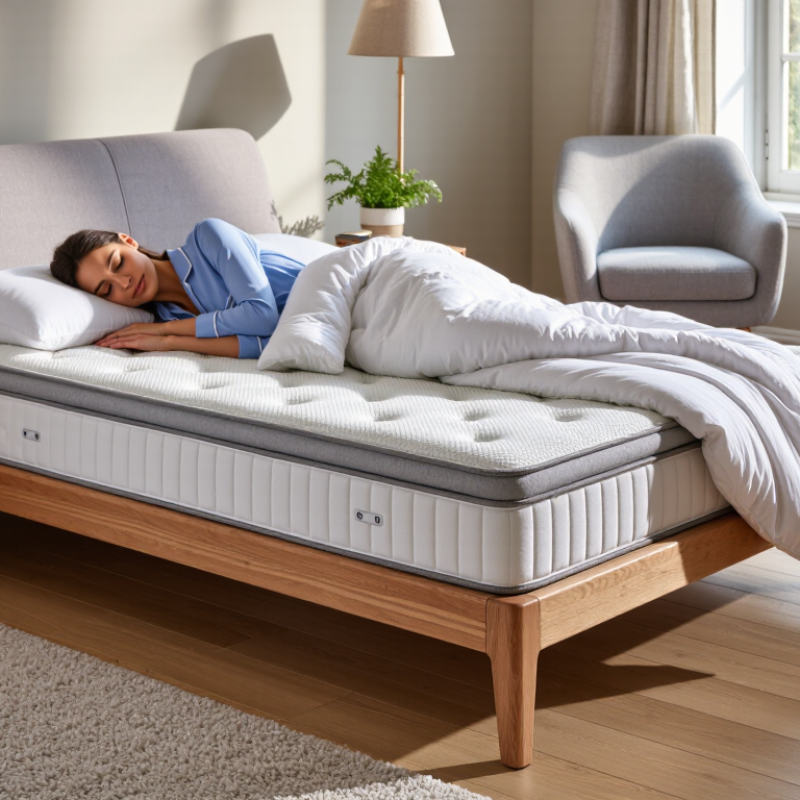
2026 Best Mattress How to Choose the Right One for Back Pain?

Define the Problem: 619 Million People Had Low Back Pain in 2020 (WHO)

Low back pain is not a small, isolated problem. The World Health Organization reported that 619 million people experienced low back pain in 2020. It also projects 843 million cases by 2050. These figures make mattress selection relevant, but a mattress cannot solve every spinal problem.

The first question is not “How soft is it?” Ask whether your spine stays neutral. When lying on your back, your lower back should feel supported without a hard pressure point. On your side, your shoulder and hip should sink slightly, keeping your neck and pelvis aligned. A 2003 randomized trial published in The Lancet found that medium-firm mattresses reduced pain and disability more effectively than firm mattresses. That evidence remains useful, though it was not designed for every sleeper.

There is no universal best mattress. Bodies differ. Sleep positions differ. A practical test is essential. Lie in your usual position for ten minutes, then notice pressure around your shoulders, hips, and waist. Check again after waking for several nights. Your first impression may be wrong. WHO’s 2023 guideline emphasizes education, exercise, and appropriate clinical care for chronic primary low back pain, not mattress replacement alone. Seek medical advice for leg weakness, numbness, fever, or bladder changes. A comfortable surface matters, but persistent symptoms need professional assessment.

Match Firmness to Evidence: Lancet Trial Favored Medium-Firm at 90 Days

2026 Best Mattress: How to Choose the Right One for Back Pain?

Mattress firmness deserves more than a showroom test. A randomized trial published in The Lancet found that medium-firm mattresses improved pain and disability more than firm mattresses after 90 days. That result matters. It does not mean every painful back needs the same surface.

A medium-firm mattress should support your hips without creating a hard pressure point. When lying on your back, your lower spine should feel supported, not forced upward. Side sleepers may need enough cushioning for the shoulder and hip. Stomach sleepers often need steadier support to reduce excessive lower-back bending. These details can change the right choice.

I have found firmness labels inconsistent across different mattresses. “Medium-firm” is not a regulated measurement. That is an important weakness. Foam density, spring design, body weight, and sleep posture all affect the actual feel. Try lying in your usual position for at least ten minutes. Notice morning stiffness, not only the first comfortable minute.

A trial period can provide better evidence than a quick store visit. Keep a simple record for two or three weeks. Note pain when waking, nighttime movement, and how easily you stand. Pain that persists, spreads down a leg, or causes weakness needs professional assessment. A mattress may influence comfort, but it cannot diagnose or treat every cause of back pain.

Choose Support by Sleep Position: Maintain Neutral Spinal Alignment

Back pain does not automatically mean you need the firmest mattress.

The better goal is neutral spinal alignment, where your neck, shoulders, hips, and knees rest without twisting. When testing a mattress, lie in your usual sleep position for at least ten minutes. Notice whether your lower back feels supported, not pushed upward. Comfort matters, but immediate softness can hide poor support.

Side sleepers usually need enough cushioning for their shoulders and hips. Their spine should look relatively straight, rather than bending toward the mattress. A pillow between the knees can reduce hip rotation. Back sleepers often benefit from balanced support beneath the lumbar area. If a gap forms under your waist, gentle cushioning may help. Stomach sleeping can increase lower-back strain, so a thinner pillow may reduce extension.

It is easy to overestimate firmness. I once assumed a harder surface would always improve support, but pressure around the hips changed that judgment. Body weight, mattress materials, and personal pain patterns all affect the result. Try several positions, and reassess after repeated nights instead of trusting one showroom test. Persistent pain, numbness, or weakness deserves medical advice, because a mattress cannot diagnose or treat an underlying condition. Small alignment changes matter.

Compare Materials and Safety: Use CertiPUR-US, GOTS, and Body-Weight Data

2026 Best Mattress: How to Choose the Right One for Back Pain?

A mattress should support your spine without creating hard pressure points. The World Health Organization reported that 619 million people lived with low back pain in 2020. That number may reach 843 million by 2050. Comfort is not a luxury here.

Body weight changes how deeply the body sinks into foam or springs. Heavier sleepers often need stronger edge support and firmer transitional layers. Lighter sleepers may need softer cushioning around the shoulders and hips. There is no reliable firmness formula for everyone. A 2003 Lancet randomized trial involving 313 adults found medium-firm mattresses improved pain and disability more than firm mattresses after 90 days. Still, the study does not fit every sleeping position or body shape.

Check materials carefully. CertiPUR-US applies to qualifying foam, including limits on certain chemicals and emissions; it does not certify the entire mattress. GOTS focuses on certified organic textile fibers and processing requirements. Ask for the certificate scope, not just a logo. That small detail matters.

I would test the mattress for at least ten minutes in your usual sleeping position. Turn slowly. Notice your lower back. A “safe” material can still feel wrong. Certification reduces uncertainty, but it cannot measure your morning stiffness.

References: World Health Organization, Low Back Pain Fact Sheet, 2023; Kovacs et al., The Lancet, 2003.

Verify the Fit: Use 30–120-Night Trials and Replace After 7–10 Years

In 2026, choosing a mattress for back pain means testing fit, not chasing firmness. Back pain changes the standard. A 30–120-night trial gives your body enough time to adjust. One night proves very little. Early stiffness may reflect unfamiliar support, but sharp or worsening pain deserves medical advice. Keep a morning log with pain levels, sleep position, and hip comfort.

Use the trial deliberately. Sleep on the mattress for several weeks, including normal workdays. Test your back and side positions. Your spine should feel supported, not forced into a curve. A physical therapist can help assess alignment when discomfort remains unclear. Read the trial terms before delivery. Check return fees, pickup conditions, and required adjustment periods. Policies vary. I once treated a generous trial like a guarantee, which was careless.

A comfortable mattress still ages. Many sleep professionals recommend reviewing it around seven years and replacing it within seven to ten years. Actual lifespan depends on materials, body weight, moisture, use, and foundation support. Replace it sooner if a lasting dip appears, edges collapse, or pain returns after sleeping elsewhere. A warranty may cover defects, not lost comfort. Rotate the mattress only when permitted. Keep the receipt and record the trial deadline. Your back may change before the mattress does.

FAQS

Can a mattress solve every type of low back pain?

No. Mattress comfort matters, but persistent pain may require exercise, clinical care, or professional assessment.

What sleeping position should I test?

Test your usual back and side positions. Your spine should stay neutral, without sharp pressure at your waist.

What should I feel when lying on my back?

Your lower back should feel supported. It should not meet a hard pressure point.

How should a mattress support side sleeping?

Your shoulder and hip should sink slightly. Your neck and pelvis should remain aligned.

Is a firm mattress always better for back pain?

Not necessarily. Research found medium-firm surfaces reduced pain and disability more effectively than firm surfaces.

How long should I test a mattress?

Use a 30–120-night trial when available. One night proves very little. Bodies need adjustment time.

What should I record during a mattress trial?

Record morning pain, sleeping position, and hip comfort. Test normal workdays, not only relaxed weekends.

What trial details deserve careful checking?

Read return fees, pickup rules, and adjustment requirements. A generous trial is not automatically a guarantee.

When should I replace an older mattress?

Review it around seven years and replace it within seven to ten years. Replace it sooner after lasting dips or collapsed edges.

When should back pain receive medical attention?

Seek professional advice for leg weakness, numbness, fever, or bladder changes. Do not blame every symptom on the mattress.

Conclusion

Choosing the best mattress for back pain begins with understanding the scale of the problem: the World Health Organization reported that 619 million people experienced low back pain in 2020. To learn how to choose the right mattress for back pain, focus first on balanced support rather than extreme firmness. Evidence from a Lancet trial favored medium-firm mattresses for improved comfort and function after 90 days. The right choice should also depend on your sleeping position, helping your spine remain in a neutral alignment while supporting the hips, shoulders, and lower back.

Material quality and personal fit matter as well. Compare foam, springs, and hybrid constructions according to your body weight, preferred feel, temperature needs, and edge support. Look for reliable safety certifications such as CertiPUR-US or GOTS, and review whether the materials are durable and suitable for your needs. Whenever possible, use a 30- to 120-night home trial to evaluate comfort over time. With proper care, most mattresses should be considered for replacement after approximately seven to ten years.

Sienna

Sienna

Sienna is a skilled marketing professional with a deep expertise in our company’s core products and services. With a passion for innovation and detail, she plays a pivotal role in crafting insightful blog posts that not only highlight the unique features of our offerings but also provide valuable......