2026 Best Ways to Clean and Maintain Aniline Leather Sofas

Time:2026-10-26 Author:Madeline
0%

Aniline leather sofas offer exceptional softness, visible grain, and a naturally warm appearance. Their beauty comes from minimal surface coating. However, that same openness allows oil, water, dust, and sunlight to leave permanent marks. Learning how to clean and maintain aniline leather sofas therefore requires restraint, not aggressive scrubbing.

The Leather Naturally Leather Sustainability Guide emphasizes leather’s potential for long service life when cared for correctly. The World Economic Forum’s Circularity Gap Report 2025 also estimates that only 6.9% of the global economy is circular. Extending a sofa’s useful life can support more responsible consumption. It is not merely a furniture-care issue.

Professional upholstery practice supports gentle methods. The IICRC S300 standard stresses material identification, controlled moisture, and testing before full treatment. That guidance matters because aniline leather can darken instantly under a wet cloth. A dry microfiber cloth may remove loose dust, while a clean white cloth can reveal hidden dye transfer. Never judge a product from its label alone. Test it beneath the sofa first.

This guide presents practical cleaning and maintenance methods for 2026. It covers dust removal, small spills, conditioning, sunlight exposure, and professional restoration. Some marks may remain. That is an honest limitation of aniline leather, not necessarily a cleaning failure. A perfect routine does not exist, but a careful one can preserve softness, color variation, and character for many years.
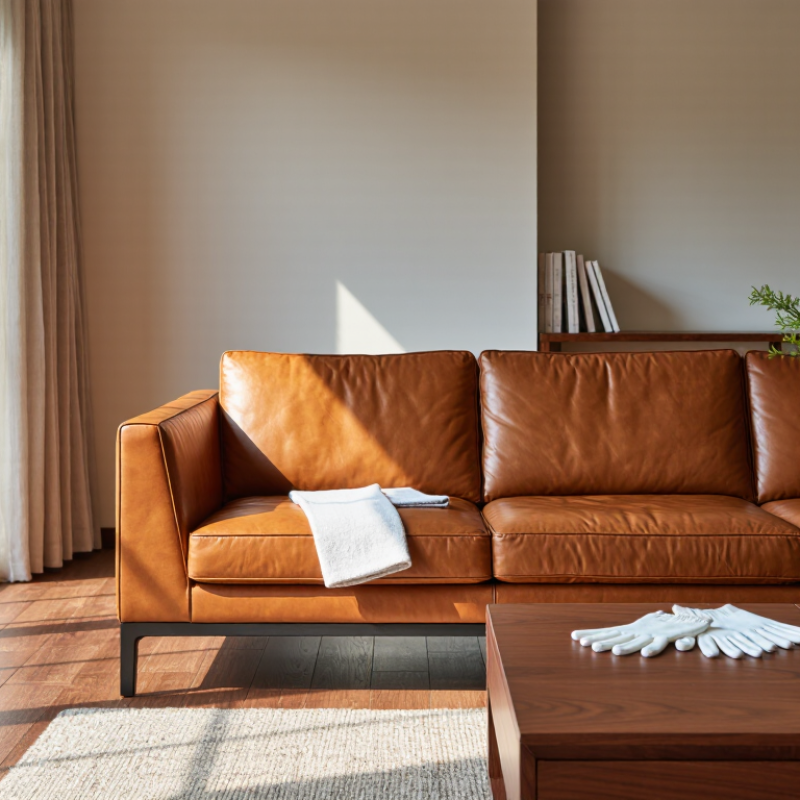
2026 Best Ways to Clean and Maintain Aniline Leather Sofas

Understanding Aniline Leather and Its Cleaning Requirements

2026 Best Ways to Clean and Maintain Aniline Leather Sofas
Understanding Aniline Leather and Its Cleaning Requirements

Aniline leather is dyed through with transparent color, preserving natural grain, scars, and soft texture. Unlike coated leather, it has little surface protection. Water, oil, sunlight, and household chemicals can quickly change its appearance. A pale ring may appear after one careless wipe. That is not always dirt; it can be moisture migration within the hide. Understanding this behavior prevents aggressive cleaning.

Begin with a soft, dry cloth and gently remove loose dust from seams and cushions. Avoid soaking the leather. For a small mark, use a cleaner specifically approved for aniline leather, and test it behind the sofa first. Apply minimal moisture with a white cloth, using light strokes rather than scrubbing. Let the area dry naturally, away from radiators and direct sunlight. Professional conservators generally recommend conditioning only when the leather feels unusually dry, because excessive products can darken porous surfaces. I have found that less treatment usually causes fewer surprises, though every hide reacts differently.

Tips: Blot spills immediately. Do not rub them. Keep newspapers, denim, and oily cushions away from damp leather. Maintain moderate indoor humidity, and rotate cushions monthly to reduce uneven fading. Inspect seams and high-contact areas every few weeks. If a stain spreads or the color changes sharply, stop experimenting and consult a qualified leather-care professional. DIY advice can be useful, but it is not infallible.

Preparing the Sofa and Testing Cleaning Products Safely

Before cleaning, photograph the sofa, remove cushions, and vacuum seams with a soft brush. Aniline leather has open pores, so liquid can travel beneath the surface quickly. Leather Naturally’s technical guidance describes aniline leather as minimally protected, which explains its natural color variation and high absorption.

Check the care label and identify the leather finish. A 2023 Leather Working Group impact report recorded more than 1,300 audited leather sites, showing how varied tanning and finishing practices can be. Do not assume two aniline sofas react identically. That assumption has caused me trouble before. Test every product on an unseen area, such as beneath the seat platform. Apply one small drop with a white cotton cloth, then wait 24 hours.

Keep the room ventilated, but avoid direct sunlight and heaters. ISO 2419 conditioning guidance uses approximately 23°C and 50% relative humidity, useful conditions for controlled testing. Watch for darkening, stickiness, roughness, or dye transfer. Stop immediately if any appears. Water alone may leave a visible ring, while household soap can remove natural oils. A professional leather technician is safer when the stain is large, oily, or older than a day. My practical rule is simple: less product, less pressure, more patience.

Removing Dust, Spills, and Everyday Surface Dirt

Aniline leather absorbs moisture easily, so routine cleaning should remain gentle and controlled. Start by removing cushions and using a vacuum with a soft brush attachment. Move slowly across seams, corners, and beneath the cushions, where crumbs often hide. A clean, dry microfiber cloth can lift fine dust from the surface. Do not press hard.

For fresh spills, blot immediately with a dry, absorbent cloth. Never rub, because friction can spread liquid and flatten the natural grain. Leave the area uncovered and let it dry at room temperature. Avoid hairdryers, heaters, and direct sunlight. Heat may create a darker ring or stiff texture. For dried surface dirt, use a barely damp cloth only when the leather-care instructions permit it. Test a hidden area first. Aniline leather can react unevenly, even when the cloth feels almost dry.

Everyday marks need patience. Do not use soap, alcohol, disinfectant, or general household sprays. These products may remove protective oils and permanently change the color. A leather specialist can assess grease, ink, or deep staining more safely. I once cleaned a small spot too quickly, and the cleaned patch looked brighter than the surrounding leather. That mistake was useful. Cleaning is not always improvement. Inspect the material under natural light, and stop when the surface looks stable. Regular dust removal, careful blotting, and sensible testing usually protect the sofa better than aggressive treatment.

2026 Best Ways to Clean and Maintain Aniline Leather Sofas - Removing Dust, Spills, and Everyday Surface Dirt

Cleaning or Maintenance Task Recommended Frequency Suitable Tools or Materials Safe Method Typical Drying Time Important Precaution
Routine dust removal Weekly or as needed Vacuum cleaner with a soft upholstery brush; clean microfiber cloth Gently vacuum seams, creases, and cushions. Use a dry microfiber cloth on broad surfaces without rubbing aggressively. No drying period required Keep vacuum attachments clean so grit does not scratch the leather.
Fresh water or liquid spill Immediately White absorbent cloth or plain paper towel Blot from the outside toward the center. Replace the cloth as it becomes wet, and allow the area to air-dry naturally. Several hours, depending on the amount spilled and room ventilation Do not wipe, scrub, use a hair dryer, or saturate the leather with water.
Everyday surface dirt As soon as visible Dry white microfiber cloth; cleaner specifically approved for aniline leather when necessary Lift loose dirt first. If a product is permitted by the care instructions, apply a small amount to the cloth rather than directly to the sofa, then use light strokes. Usually 1–4 hours Test every cleaner on a hidden area because aniline leather can darken or develop a visible halo.
Grease or oil spot Treat promptly, then reassess after drying Absorbent white cloth; professional leather-care advice for persistent marks Blot gently without spreading the spot. Leave the area undisturbed while it dries; some oil marks may gradually absorb into unfinished leather. At least several hours; deeper marks may take longer to stabilize Avoid household detergents, dish soap, alcohol, solvents, and abrasive powders.
Food residue Immediately after discovery Soft spoon or card for lifting solids; dry white cloth Lift solid particles carefully without scraping. Blot any moisture and leave the surface to dry before deciding whether specialist treatment is needed. Several hours Do not push residue into the pores or spread it with circular rubbing.
Conditioning or nourishment Only when recommended by the leather-care instructions; commonly once or twice yearly Conditioner expressly labeled for aniline or unfinished leather After cleaning and testing, apply a very thin, even layer to a small section first. Allow it to absorb fully before normal use. Usually overnight Many general leather creams, waxes, and silicone products can alter the color or reduce the natural feel.
Sunlight and heat protection Continuous prevention Curtains, blinds, or UV-filtering window coverings; adequate room ventilation Position the sofa away from direct sunlight, radiators, fireplaces, and heating vents. Rotate loose cushions periodically if the design allows. Not applicable Direct UV exposure can fade aniline dye, while excessive heat can dry and stiffen leather.
Persistent stain, ink, or color transfer As soon as normal blotting does not work Qualified leather-care professional Stop DIY treatment and provide the professional with details about the spill, products already used, and the leather care label. Depends on the treatment Aniline leather has little or no protective surface coating, so aggressive stain removal can permanently change its color and texture.

Care note: Always follow the sofa manufacturer’s care label first. Aniline leather is absorbent and naturally develops variation over time; test any approved product on an inconspicuous area before treating a visible surface.

Conditioning Aniline Leather Without Causing Damage

Conditioning Aniline Leather Without Causing Damage

Aniline leather shows natural grain, but its open surface absorbs oils and moisture quickly. The Leather Naturally Leather Care Guide (2023) classifies aniline leather as minimally coated, making it more vulnerable to staining and uneven darkening. Less is safer. Vacuum dust with a soft brush attachment. Never scrub the surface.

Choose a conditioner specifically formulated for unfinished or lightly finished leather. Avoid waxes, silicone sprays, household oils, and heavily fragranced products. They may seal pores, attract dust, or create glossy patches. Apply a pea-sized amount to a white microfiber cloth, not directly onto the sofa. Test behind the back panel first. Wait 24 hours.

Use gentle pressure and thin, overlapping strokes. Work one cushion at a time. The International Organization for Standardization’s leather testing standards, including ISO 2418 and ISO 2419, emphasize consistent sampling because leather surfaces can vary significantly across one hide. That variation explains why one area may absorb conditioner faster than another. Do not keep adding product to “match” a darker patch.

Condition only when the leather feels dry, looks dull, or shows fine surface stiffness. Indoor heating can accelerate moisture loss, so maintain moderate humidity and keep the sofa away from radiators and direct sunlight. A professional leather-care review published by Leather Naturally recommends controlled application rather than frequent treatment. I partly disagree with routine schedules: every sofa responds differently. Observe first. Do not rush.

2026 Best Ways to Clean and Maintain Aniline Leather Sofas

Recommended care intervals for conditioning aniline leather without causing damage. Always test any product on a hidden area first, use a small amount, and avoid over-conditioning.

Dust weekly, blot spills immediately, condition only when the leather begins to feel dry, and arrange professional assessment about once a year when the sofa receives regular use. Avoid soaking, harsh detergents, waxes, and direct heat.

Maintaining Color, Softness, and Long-Term Sofa Quality

2026 Best Ways to Clean and Maintain Aniline Leather Sofas

Maintaining Color, Softness, and Long-Term Sofa Quality

Aniline leather has an open surface, so it absorbs moisture, oils, and dye more easily than coated leather. Dust the sofa weekly with a soft vacuum brush. Use gentle strokes, especially around seams and piping. A white microfiber cloth can remove light surface dust without leaving colored fibers.

Test first. Always try cleaning in a hidden area. For small marks, lightly dampen a cloth with distilled water and blot, never rub. For deeper dirt, choose a cleaner specifically made for aniline leather.

Apply very little product, then let the surface dry naturally. Avoid household soap, alcohol, wet wipes, and heavy oils. They may darken the leather or leave a stiff, shiny patch.

Color protection depends heavily on the room. Keep the sofa away from direct sunlight, radiators, and strong air vents. Close curtains during intense afternoon light. Rotate cushions and gently reshape them every few days.

Clean skin oils from headrests and armrests before they build up. In my experience, rushed wiping often spreads a small mark into a larger shadow. I have also found that “perfect” color matching is unrealistic after years of use.

Natural variation is part of aniline leather, but uneven dryness should not be ignored. Condition only when the leather feels dry, and use a product approved for absorbent leather.

FAQS

How should I prepare an aniline leather sofa before cleaning?

Photograph the sofa before starting. Remove the cushions and vacuum seams with a soft brush. Check the care label carefully. Open-pore leather absorbs liquid quickly. Keep the room ventilated, but avoid heaters and direct sunlight.

Why should every cleaning product be tested first?

Leather finishes vary, even on similar sofas. Apply one small drop beneath the seat platform. Use a white cotton cloth. Wait 24 hours. Stop if the area darkens, feels sticky, becomes rough, or transfers dye.

Can I clean a small mark with water?

Use a barely damp cloth with distilled water. Blot gently. Never rub. Water can still leave a visible ring. I have spread marks before by wiping too quickly. Patience helps, although it feels inefficient.

Which household products should I avoid?

Avoid household soap, alcohol, wet wipes, waxes, silicone sprays, and cooking oils. These products may remove natural oils or block the pores. They can leave stiff, shiny, or dark patches.

How should I apply a leather conditioner?

Choose a conditioner made for absorbent or lightly finished leather. Put a pea-sized amount on a white microfiber cloth. Do not apply it directly to the sofa. Use thin, overlapping strokes with gentle pressure.

How often should aniline leather be conditioned?

Condition only when the leather feels dry, looks dull, or feels slightly stiff. Do not follow a rigid schedule. Each sofa reacts differently. Over-conditioning may create uneven color. Observe the surface first.

How can I protect the sofa’s color and softness?

Keep it away from windows, radiators, and strong air vents. Close curtains during harsh afternoon light. Rotate cushions and reshape them gently every few days. Clean skin oils from headrests and armrests early.

When should I contact a professional leather technician?

Seek professional help for large, oily, or older stains. Professional care is also safer after failed cleaning attempts. Stop using products when damage appears. Small marks may improve, but perfect color matching is unrealistic.

Conclusion

Aniline leather is valued for its natural texture, softness, and visible character, but its open surface requires gentle, careful care. This guide explains how to clean and maintain aniline leather sofas by first removing loose dust and checking the leather’s condition. Before applying any product, prepare the sofa, read the product instructions, and test a small amount on a hidden area to confirm it will not cause darkening, staining, or texture changes.

For everyday care, use a soft, dry cloth or a suitable vacuum attachment to remove surface dust. Blot spills promptly instead of rubbing, and avoid excessive water, harsh cleaners, and heat. After cleaning, apply a compatible leather conditioner sparingly to help preserve softness without leaving a greasy residue. Regular dust removal, protection from direct sunlight and heat, and careful handling can help maintain the sofa’s color, comfort, natural appearance, and long-term quality.

Madeline

Madeline

Madeline is a dedicated marketing professional with a wealth of expertise in our company's core offerings. With a keen understanding of the industry, she brings a unique perspective to her role, consistently delivering high-quality content that highlights the superior aspects of our products. As......