Arranging furniture in small living spaces is both an art and a science. According to the 2022 National Association of Home Builders report, 59% of homebuyers prioritize open layouts that maximize space. However, many struggle to effectively arrange living room furniture in a small space. Esteemed interior designer, Mary McDonald, emphasizes, "The key is to reduce clutter and focus on functionality." Her insights highlight the importance of strategic placement and choice of furnishings.
Creating a harmonious environment in compact living areas often requires thoughtful planning. Subtle changes in arrangement can transform a cramped room into a functional and inviting space. For instance, using multi-purpose furniture like storage ottomans can enhance usability. While many may feel overwhelmed, a few crucial tips can pave the way for a well-organized setup. Reflecting on one’s choices is crucial; it may lead to alternative arrangements that better serve your needs.
Ultimately, mastering how to arrange living room furniture in a small space involves creativity and adaptability. Small rooms often require homeowners to rethink their design approaches. Embracing this challenge can result in a cozy and stylish setting, proving that size does not define comfort.
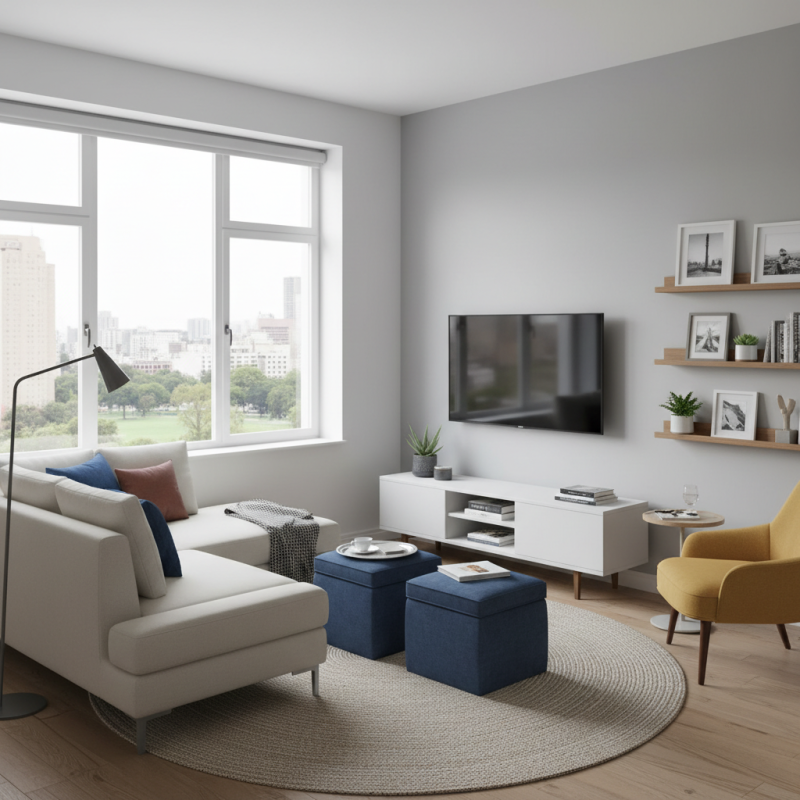
Understanding Small Living Room Dynamics
Understanding the dynamics of small living rooms is crucial for effective furniture arrangement. According to a report by the American Institute of Architects, about 61% of people live in urban areas, where space is often limited. In these environments, making every square foot count becomes essential.
When designing a small living room, consider using multi-functional furniture. A sofa that converts into a bed can save space while providing versatility. Large coffee tables can dominate a room, while smaller, movable ones can create a sense of openness. Research indicates that well-placed mirrors can create the illusion of space, enhancing the room’s overall aesthetics. However, over-relying on mirrors may lead to a disorienting atmosphere.
Consider traffic flow carefully. Leaving enough room for movement can be challenging. Poor arrangement might lead to a cramped feel, which can be counterproductive. According to the National Association of Home Builders, over 30% of homeowners express dissatisfaction with their living space. This often stems from inefficient layout choices. Reflecting on your arrangement habits can help improve your space.
Choosing the Right Furniture for Limited Spaces
When choosing furniture for small spaces, it's essential to focus on functionality. A study by the American Home Furnishings Alliance shows that 62% of consumers prefer multi-functional pieces in compact living areas. Look for sofas that can convert into beds, or ottomans that offer hidden storage. These types of furniture help maximize space without sacrificing comfort or style.
Consider the scale of your furniture. Oversized pieces make a room feel cramped. Instead, opt for smaller, streamlined designs. According to a report by the Interior Design Society, using furniture that fits the room's dimensions can improve flow and usability by 40%. Avoid heavy materials that can weigh down the aesthetic. Light colors can enhance the illusion of space.
Tips:
- Choose furniture with legs to create a sense of openness.
- Mirrors can also visually expand a space.
- Keep decor minimal to avoid clutter.
Remember to reflect on your needs. What pieces do you use daily? Prioritize essentials over decorative items. Finding the right balance can make a significant difference in how you experience your space.
Strategic Furniture Placement for Optimal Flow
When arranging furniture in small living rooms, strategic placement is essential for maintaining an optimal flow. Start by considering the room's natural pathways. Ensure there’s clear access between doorways and frequently used areas. Place larger pieces, like sofas, against the walls. This arrangement minimizes clutter. However, be cautious. A sofa too close to the wall can make the room feel closed in. Aim for a balance that feels open yet cozy.
Incorporating multi-functional furniture can enhance flow. Ottomans and benches can serve as seating or storage. This flexibility aids movement and keeps the space organized. Consider using mirrors to create the illusion of a larger area. Position them opposite windows for a brighter feel. Yet, remember that crowded walls with decor can defeat this purpose. Strive for a minimalist approach in smaller areas.
The arrangement should never be set in stone. Live in the space for a while to evaluate comfort. Move things around until it feels right. Each small adjustment can greatly improve overall flow and usability. Embrace a trial-and-error approach. It’s about finding what works best for you.
Living Room Furniture Arrangement in Small Spaces
This bar chart illustrates the effectiveness of different furniture arrangements in small living rooms based on space efficiency and flow. The data showcases the percentage of space utilization for various arrangements:
Incorporating Multi-Functional Pieces
In small living spaces, choosing multi-functional furniture is essential. A recent industry report indicates that incorporating versatile pieces can maximize both style and utility. For instance, a sofa bed serves two purposes, transforming seamlessly from seating to sleeping. This flexibility is vital for small homes where space is limited.
Storage solutions are another key aspect. Multi-functional ottomans can provide seating, a coffee table, and hidden storage. These pieces allow for decluttering, which is crucial in small areas. Additionally, consider nesting tables, which can be used together or separately as needed. They adapt to your lifestyle and reduce visual clutter.
However, it's important to reflect on what furniture truly meets your needs. Not every piece labeled as multi-functional is effective for every space. Before purchasing, assess your layout carefully. Does it fit both your style and function? Ultimately, the right choices can enhance your small living area, creating an inviting atmosphere that feels larger than it is.
How to Arrange Living Room Furniture in Small Spaces 2026 Guide? - Incorporating Multi-Functional Pieces
| Furniture Type |
Functionality |
Dimensions (L x W x H) |
Ideal For |
| Sofa Bed |
Sleeping and Seating |
80" x 38" x 35" |
Small apartments, guest rooms |
| Ottoman with Storage |
Footrest, Coffee Table, Storage |
30" x 30" x 18" |
Living rooms with limited space |
| Wall-Mounted Desk |
Workspace without Floor Space |
36" x 24" x 30" |
Studios, small offices |
| Foldable Dining Table |
Dining and Extra Surface |
60" x 36" x 30" |
Compact dining spaces |
| Corner Shelves |
Storage and Display |
24" x 24" x 72" |
Any living room |
Using Color and Light to Enhance Space Perception
In a small living room, every detail matters. Using color strategically can create a sense of openness. Light shades like soft whites or light grays can make walls feel farther away. Add a splash of color with decor, like a vibrant throw pillow or a piece of art. These small accents draw the eye and create focal points without overwhelming the space.
Natural light is essential. Utilize sheer curtains that allow sunlight in while maintaining privacy. Mirrors are another powerful tool. A well-placed mirror can reflect light and make a room appear larger. Be mindful, though. Too many reflective surfaces can confuse the space's perception. Balance is key. Experiment with dark and light elements to find what feels harmonious.
Incorporating layered lighting is crucial. Use ambient lighting as your base, then enhance it with task and accent lights. Adjustable lamps can offer versatility. Consider lighting's color temperature too; cooler tones can feel open, while warmer hues bring coziness. The goal isn't perfection; it's about creating a welcoming environment that feels spacious yet cozy. Reflect on what each color and light source adds to your small living space.
Conclusion
When considering how to arrange living room furniture in a small space, it's essential to first understand the unique dynamics of small living areas. This involves recognizing that furniture placement can significantly impact the flow and functionality of the room. Choosing the right furniture that fits the scale of the space and selecting strategically lightweight and movable pieces is crucial for optimizing limited areas.
Incorporating multi-functional furniture, like a sofa bed or an ottoman with storage, can further enhance space efficiency. Additionally, using lighter colors and strategic lighting can create an illusion of a more open area, making the living room feel larger and more inviting. By following these guidelines, you can create a comfortable and stylish living space even in a compact setting.

 Mingkei Furniture