Water rings on wooden coffee tables can be a frustrating sight. These unsightly marks can appear after a drink leaves condensation or spills occur. Understanding how to remove water rings from wooden coffee tables is essential for keeping your furniture looking pristine. Many homeowners have faced this issue, and it’s important to approach the problem with the right methods.
Various solutions exist for tackling these water rings but not all are effective or safe for your table's finish. Common household items can serve as cleaning agents, offering a low-cost and accessible means to restore your table. However, caution is needed, as improper techniques may further damage the wood.
Within this guide, you'll discover practical strategies for dealing with water rings. These methods will balance effectiveness with care, ensuring your wooden surfaces remain cherished and beautiful. In learning how to remove water rings from wooden coffee tables, you'll gain confidence in maintaining your living space. Each approach carries its own merits and risks, making it essential to choose wisely.
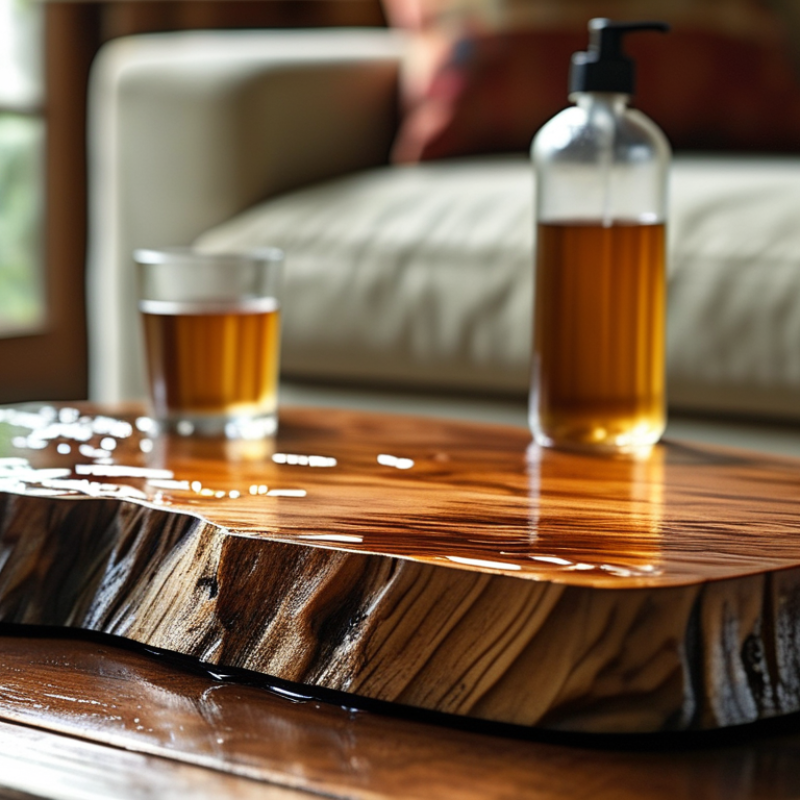
Water rings on wooden coffee tables can be more than just an aesthetic issue. They often stem from moisture trapped between the wood's finish and the surface itself. According to a 2022 study by the National Wood Flooring Association, nearly 75% of homeowners have experienced similar damage. These rings can lead to deeper issues if not addressed properly.
The effects of water rings vary. Light rings often indicate surface moisture, while darker stains may suggest more significant damage. Wood surfaces are porous. They can absorb liquids, leading to permanent discoloration. Data shows that untreated water stains may require extensive refinishing or professional restoration, which can cost up to $300. Homeowners should be proactive in understanding how to prevent these stains.
Use coasters and placemats to mitigate risk. Monitoring humidity levels can also help preserve wood finishes. A survey from the American Home Furnishings Alliance revealed 60% of homeowners overlook simple protective measures. Ignoring water rings can be costly in the long run. Mitigation starts with awareness and care for wooden surfaces, emphasizing the importance of routine maintenance.
To effectively remove water rings from wooden coffee tables, certain tools and materials are essential. Start with distilled water. It’s gentle on wood and helps in cleaning without further damage. A clean cloth is vital; use a microfiber one to prevent scratching the surface. Choose a gentle abrasive, such as baking soda or fine steel wool, in small quantities.
Additionally, consider using natural oils, like olive oil or vinegar. These can help maintain the wood’s finish while addressing water rings. Keep in mind not to over-apply any substance. Patience is key; sometimes, the first attempt may not completely remove the stain. Using heat can also help. A low-heat iron, placed over a cloth, can lift the moisture from the wood.
It's important to remember that not all methods work the same for every table. Each wood type reacts differently. Testing in a discreet area helps to avoid further marks. There’s a chance that some water rings may remain, even after multiple attempts. Reflect on the condition of the wood and consider professional help if needed. Repairing wood is often a combination of skill and art; learning through practice enhances the experience.
Water rings on wooden coffee tables can be unsightly and frustrating. Many homeowners face this problem, especially in homes with high humidity or after hosting gatherings. According to industry studies, over 35% of wooden furniture owners report issues with water rings. Fortunately, there are effective methods to tackle this problem.
A common approach is to use mayonnaise or petroleum jelly. Apply a small amount to the affected area and let it sit for a few hours. The oils help to replace lost moisture in the wood. Another method involves using a hairdryer on a low setting. This allows gentle heat to evaporate moisture trapped in the finish, but be careful not to scorch the wood surface.
Sandpaper can also be useful, but it requires caution. Lightly sand the area with fine-grit paper to remove the damaged finish. This method can potentially result in an uneven surface, which requires a careful touch. Always test on a less visible section first. Experience shows that these methods can restore your coffee table to its former glory, but success varies based on wood type and finish.
| Method | Ingredients/Materials Needed | Steps | Effectiveness |
|---|---|---|---|
| Ironing | Iron, Cloth | 1. Put a cloth over the ring. 2. Set the iron to medium heat. 3. Iron over the cloth for a few seconds. | High |
| Baking Soda | Baking soda, Water | 1. Mix baking soda with water to form a paste. 2. Apply to the ring gently and rub. 3. Wipe clean with a damp cloth. | Moderate |
| Mayonnaise | Mayonnaise | 1. Apply a small amount of mayonnaise on the ring. 2. Let it sit for 1-2 hours. 3. Wipe off with a cloth. | High |
| Vinegar and Olive Oil | Equal parts vinegar and olive oil | 1. Mix equal parts. 2. Apply to the ring with a cloth. 3. Rub in the direction of the grain. | Moderate to High |
| Commercial Wood Polish | Wood polish | 1. Apply the polish according to the instructions. 2. Buff with a clean cloth. | High |
Water rings on wooden coffee tables are quite common. A hot mug or a cool glass can leave unsightly marks. Preventing these rings requires simple yet effective measures.
Using coasters is perhaps the easiest solution. They create a barrier between the table’s surface and moisture. Opt for coasters made from absorbent materials. Avoid leaving cups directly on the wood for too long. Regularly check for condensation on the bottom of glasses. It’s a small habit that can make a big difference.
Another preventive measure is to apply a protective finish to the table. A layer of wax or a specialized wood conditioner can shield the surface. However, application should be done with care to avoid an overly shiny finish. Make sure to follow the product instructions closely. Improper application can lead to more problems. Also, be mindful of the environment where the table is placed. High humidity or direct sunlight can worsen conditions that lead to water rings. Regular maintenance and attention can help keep your coffee table looking pristine.
Water rings on wooden coffee tables can be frustrating. After removing these marks, restoring the shine is essential. You want your table to look inviting again. Using a natural polish can bring back that luster. A simple mix of olive oil and vinegar works wonders. Start with a soft cloth and apply the mixture in circular motions.
Ensure you cover the entire surface uniformly. This not only rejuvenates the wood but also provides a protective layer. Patience is key. There might still be areas needing attention. Don't rush the process, as overapplying can leave a greasy residue. After polishing, let it sit for a while before using the table.
Consider using beeswax for a more durable finish. It can seal in the shine and provide a barrier against future stains. This method requires careful application, as it's easy to overdo it. Sometimes, the natural imperfections of the wood can enhance its character. Embrace the journey of caring for your table, as it becomes a trusted companion in your home.
: Water rings often result from moisture trapped between the wood's finish and the surface.
Nearly 75% of homeowners have dealt with water stains on their furniture surfaces.
Light rings suggest surface moisture, while darker stains may indicate more serious damage.
Use coasters and placemats to create a barrier between moisture and the table's surface.
Ignoring them can lead to deeper issues, requiring costly refinishing or professional restoration.
Use a mix of olive oil and vinegar applied gently with a soft cloth to rejuvenate the wood.
Yes, a protective finish helps shield the surface, but application must be done carefully.
Opt for coasters made from absorbent materials to effectively mitigate moisture damage.
Regularly check for condensation on glasses, as it can lead to unwanted water rings.
Yes, embracing natural imperfections can add character and reflect your care journey with the table.
Removing water rings from wooden coffee tables can be a challenging yet rewarding task. Understanding the causes and effects of these unsightly rings is crucial for proper treatment. The article outlines essential tools and materials needed for effective removal, as well as detailed step-by-step methods on how to remove water rings from wooden coffee tables.
Additionally, the article emphasizes the importance of preventive measures to avoid future damage, ensuring your coffee table remains pristine. Finally, it discusses finishing touches that help restore the wood's natural shine after the cleaning process. This comprehensive approach not only addresses the immediate issue but also promotes long-term care for wooden surfaces.

Mingkei Furniture