Choosing the right commercial office desk is essential for productivity and employee wellbeing. According to a recent report by the Global Workplace Analytics, well-designed office spaces can lead to a 15% increase in productivity. This statistic highlights the importance of thoughtful furniture choices, including desks.
When considering what to look for when buying a commercial office desk, industry expert Michael Johnson advises, "A desk should not only fit the work style of employees but also promote collaboration." This perspective sheds light on the need for versatility in desk design. Features such as adjustable heights and modular components can cater to different working conditions.
Moreover, materials and ergonomics play a significant role in desk selection. Desks constructed with sustainable materials are increasingly favored. Users report less fatigue with ergonomic designs. Reflecting on your workspace needs is vital, as a desk that lacks proper functionality can hinder productivity and creativity. Balancing aesthetics and practicality is crucial.
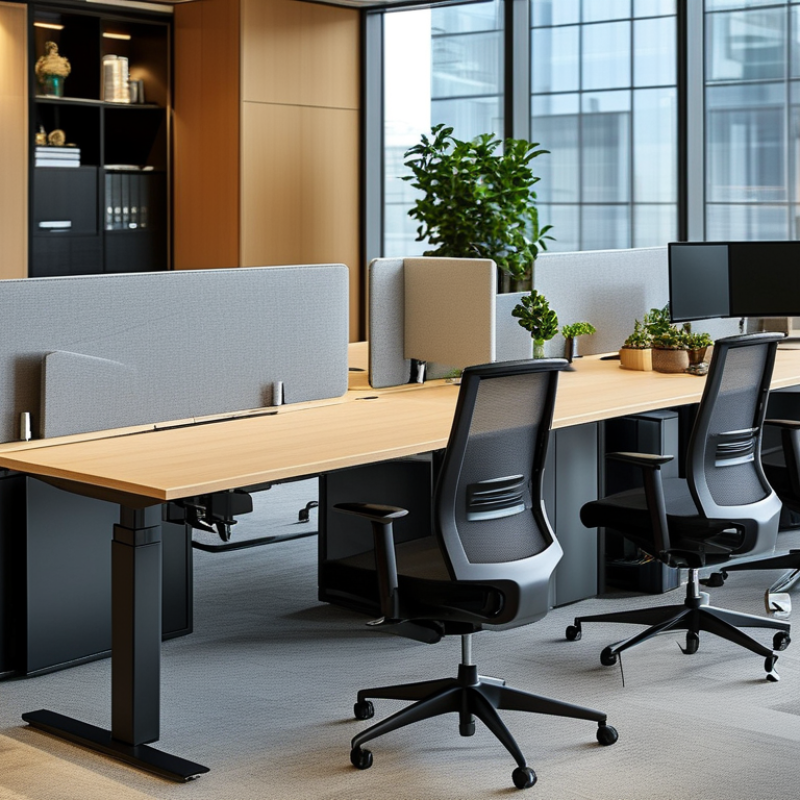
Choosing the right commercial office desk starts with understanding your office space requirements. Analyze the layout of your office. An efficient workspace fosters productivity and enhances employee satisfaction. A report by the International Workplace Study shows that 54% of employees feel their workspace impacts their work quality significantly.
Consider the size of the desk. Standard desks range from 60 to 72 inches in width. However, your space may dictate smaller dimensions. A desk that consumes too much space can make the area feel cramped. Conversely, a desk that is too small may not accommodate necessary equipment or personal items. A well-planned desk arrangement can lead to 20% higher employee productivity according to the Office Space Report by Steelcase.
Think about the desk's functionality. Is it for a collaborative environment or a more private workspace? Each scenario demands different desk designs. Ergonomic principles are also vital. Research indicates that 70% of employees face comfort-related issues at work due to poor desk setups. Investing in suitable desks can mitigate health-related absenteeism and create a supportive environment for staff. An office desk should not just be a piece of furniture; it should be a tool for success.
When selecting a commercial office desk, understanding the various types available is crucial. Many companies overlook this, often choosing desks based solely on aesthetics. However, research by the International Association of Office Professionals indicates that the right desk can significantly impact productivity.
There are several common categories of office desks. The executive desk is popular for its spacious design and elegance. It often features ample storage space and a large work surface. Conversely, standing desks are gaining traction for their ergonomic benefits. Studies show that employees using standing desks report higher energy levels and reduced discomfort.
Collaborative desks are also trending. These desks promote teamwork and communication among employees, fostering a more dynamic office environment. However, this setup may not suit everyone. Personal preferences vary, and some may find it challenging to concentrate in an open layout.
Moreover, adaptability is key; businesses should consider their growth projections. A desk that works today may not meet future needs. Understanding these nuances will ensure a more informed choice, directly benefiting employee satisfaction and work efficiency.
When selecting a commercial office desk, key features significantly impact functionality and comfort.
Desk size is crucial. Ensure it fits your workspace and provides ample surface area for your tasks. A small desk in a large office can feel cramped, while a large desk in a tiny space can overwhelm.
Storage solutions are also essential. Choose a desk with built-in drawers or available space for additional storage. This keeps your workspace organized and efficient.
Many workers struggle with clutter; having designated places for documents and supplies mitigates this chaos.
Ergonomics is another vital consideration. An adjustable desk height can promote better posture. If you often experience discomfort, it may be time to reevaluate your desk choice. Tips from industry experts suggest trying out different heights to find what suits you best.
Remember, the right desk can enhance productivity without compromising health.
When choosing a commercial office desk, materials and design aesthetics play a crucial role. The right desk not only enhances productivity but also reflects the company’s culture. A report by the International Facility Management Association (IFMA) highlights that 70% of employees value their workspace for its overall design. Emphasizing natural materials like wood and bamboo can create a more inviting atmosphere. These materials often convey warmth and stability, promoting employee well-being.
Design aesthetics also involve functionality. Open-concept offices demand desks that accommodate collaboration while ensuring privacy. Adjustable desks are gaining popularity, with a study from the National Institute for Occupational Safety and Health (NIOSH) indicating they can improve posture and reduce discomfort. Moreover, color choice can influence mood. Neutral tones might not reflect creativity as much as vibrant colors do.
Yet, there's ambiguity in trends. While sleek, modern designs are appealing, they can feel cold. Balancing aesthetics with employee comfort is essential. Uncomfortable desks can lead to lower morale and hinder performance. Understanding that design must evolve as workplace needs change is crucial. Employers should regularly assess their office environments to ensure they remain functional and supportive.
When budgeting for your office desk, start by assessing your needs. A functional desk is crucial for productivity. Consider how much workspace you require. Do you need additional storage? Think about what items will occupy your desk. This helps narrow down your choices.
Next, determine your budget. Desks vary widely in price. While you may want an ergonomic design, prices can skyrocket. Set a realistic amount you’re willing to spend. Look for options that strike a balance between quality and cost. Remember to factor in assembly costs, if applicable. It can be easy to overlook this aspect.
Keep in mind that a higher price doesn’t always guarantee better quality. Some moderately priced desks last longer than expensive ones. Research is essential before making a purchase. It’s wise to read user reviews and seek recommendations. Don’t rush the decision, as a desk is a long-term investment.
: Desk size, storage solutions, and ergonomics are crucial factors to evaluate.
A proper desk size ensures functionality. A small desk can feel cramped; a large one may overwhelm.
Built-in drawers or space for storage keep your workspace organized and reduce clutter.
An adjustable height can improve posture. If you're uncomfortable, reassess your desk choice.
Assess your needs first. Determine how much workspace and storage you require.
Not necessarily. Some mid-range desks can be more durable than pricier options.
Research options, read reviews, and try different heights. Take your time with this decision.
Don't forget about assembly costs. It’s often easy to overlook those when budgeting.
Designated storage spaces for documents and supplies can help keep things organized.
Yes, the right desk can enhance productivity while also supporting your health and comfort.
When considering what to look for when buying a commercial office desk, it's essential to first understand your office space requirements. This involves assessing the dimensions and layout of your workspace to ensure an appropriate fit. Various types of desks are available, including executive desks, standing desks, and collaborative tables, each catering to different professional needs and preferences.
Key features to consider include ergonomic design, storage options, and adaptability to technology. The materials used and the design aesthetics should align with the professional environment you aim to create, enhancing both functionality and style. Finally, budgeting is crucial; it's important to balance quality and cost while making your purchase decision. By paying attention to these aspects, you can select a desk that not only fits your space but also contributes positively to your overall workspace productivity.

Mingkei Furniture