When exploring the question, "why is commercial furniture so expensive compared to residential," we find insights from industry expert Mark Thompson. He states, “Commercial furniture is built to endure high usage, which drives up costs.” This perspective sheds light on why businesses invest more in their furniture choices.
Commercial furniture must comply with strict regulations and safety standards. Such requirements often incur additional manufacturing costs. These products are designed for durability, often made from high-quality materials that can withstand daily wear and tear. In contrast, residential furniture does not generally face the same rigorous demands, leading to lower prices.
Moreover, commercial furniture typically features a custom design to fit specific spaces. This customization process requires skilled craftsmanship, which further increases expenses. While residential items may offer more flexibility in style, they lack the resilience and functionality needed for commercial settings. Reflecting on these factors raises questions about value and priorities in furniture purchasing decisions.
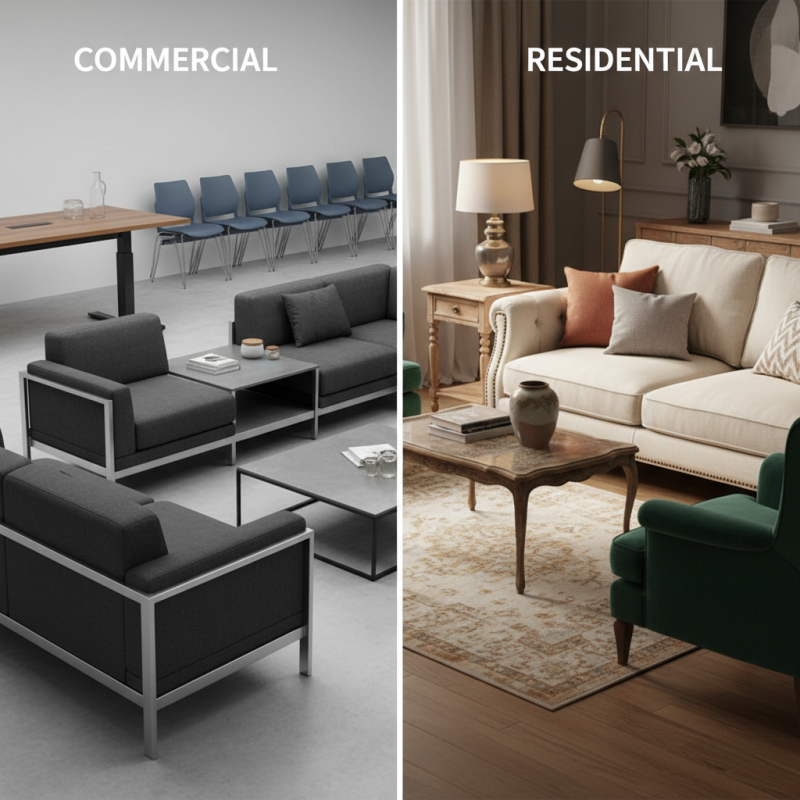
Factors Influencing the Cost of Commercial Furniture versus Residential Furniture
Commercial furniture is generally more expensive than residential due to several key factors. Primarily, it is designed for higher durability. Commercial spaces experience more foot traffic compared to homes. According to a report by IBISWorld, the furniture manufacturing industry sees an increase in demand for products that can withstand wear. This includes materials that are tougher and more resistant to stains, scuffs, and daily use.
Another factor is compliance with regulations. Commercial furniture often has to align with specific safety and accessibility standards. For example, the Americans with Disabilities Act (ADA) sets guidelines that must be met. Additionally, commercial spaces must often incorporate modular designs for flexibility, further driving up costs. These specifications lead to higher production costs.
Tip: When comparing furniture costs, look beyond the price tag. Consider the product lifespan and maintenance needs.
Choosing the right commercial furniture requires understanding your business's unique needs. While it may come at a higher cost, investing wisely can lead to long-term savings. Remember, a good balance between aesthetics and functionality is crucial.
Tip: Conduct a cost-benefit analysis before purchasing. This will help you weigh immediate costs against future benefits.
Material Quality and Durability: A Key Cost Determinant in Commercial Furniture
Commercial furniture stands out for its superior material quality and durability. Unlike typical home furnishings, commercial-grade pieces are designed to withstand heavy usage. This is crucial in environments like offices, restaurants, and hotels, where wear and tear can be significant. These pieces often utilize stronger materials, which add to the overall cost.
When evaluating options, choose furniture that boasts heavy-duty fabrics and reinforced structures. Look for materials like commercial-grade wood, high-density foam, and metals that resist corrosion. These choices may require a higher upfront investment, but they pay off in longevity.
Tips: Always consider the specific needs of your space. For instance, a café with high foot traffic may need different furniture compared to a corporate office. Focus on functionality and aesthetics that appeal to your clientele. Make a list of features that will enhance comfort and productivity in your environment. Thoughtful investments in quality can lead to more satisfied users and lower replacement costs over time.
Design Complexity and Customization in Commercial Furniture Pricing
Commercial furniture often comes with a higher price tag than residential options, primarily due to
design complexity and customization. According to industry reports, around
70% of commercial furniture projects involve some level of customization. This tailoring is crucial for
creating functional spaces that meet specific business needs. Standard sizes and shapes simply don't cut it in a corporate environment where
branding and ergonomics play key roles.
Customization can lead to advanced manufacturing processes, which are more costly. For
example, a study published by the American Society for Interior Designers found that customized pieces can
increase manufacturing costs by up to 30%. This complexity includes selecting materials, colors,
and finishes that align closely with a brand’s identity. The demand for eco-friendly materials also drives up expenses, as businesses seek sustainable
options that meet environmental standards.
Tips: When considering commercial furniture, involve a designer
early on. Their expertise can help streamline the customization process, saving costs. Additionally, evaluate your needs thoroughly before committing
to custom designs. Sometimes, standard pieces can meet your functionality and aesthetic requirements at a fraction of the price.
Reflection is necessary in this industry. Businesses often underestimate how customization affects budgets. A thorough analysis of functional needs
versus aesthetic desires can lead to smarter investment decisions.
Regulatory Compliance and Safety Standards Impacting Commercial Furniture Costs
When it comes to furniture, the differences between commercial and residential types can be surprising. One key factor is regulatory compliance. Commercial furniture must meet stringent safety standards. These regulations ensure that the furniture can withstand heavy use in public spaces. This not only includes durability but also fire safety and material toxicity. The costs associated with adhering to these regulations drive prices up.
In addition, commercial furniture often undergoes more rigorous testing. Each piece may need certifications that verify its strength and safety. This process can be costly for manufacturers. As a result, the expenses are reflected in the furniture's final price. While residential furniture may prioritize aesthetic appeal, commercial options focus on functionality and compliance.
Often, businesses may overlook the long-term value of investing in compliant furniture. They might choose cheaper options that do not meet safety standards. Such decisions might save money initially but could lead to higher costs down the line. The risk of accidents or legal issues can outweigh the savings made upfront. This complex interplay of factors illustrates why commercial furniture is generally more expensive than its residential counterpart.
Market Trends and Demand Influencing Commercial vs Residential Furniture Prices
Commercial furniture often comes with a higher price tag than residential pieces. This discrepancy is amplified by market trends and specific demands. For instance, businesses require furniture that is durable and functional. They seek items that withstand heavy use, which drives up manufacturing costs. Materials used in commercial settings often include robust woods and high-quality fabrics.
Additionally, the design of commercial furniture must comply with various regulations. Safety and accessibility standards play a crucial role. This compliance requires more rigorous testing and higher production standards. Businesses also often have specific branding needs. Customization for corporate identity adds to the overall expense.
Demand plays a significant role in determining prices. With increased office spaces and restaurants opening worldwide, the need for commercial furniture rises. This trend pushes manufacturers to elevate prices. Moreover, the market tends to focus on service contracts and bulk orders. While these can reduce costs, they can also complicate pricing dynamics. Understanding these nuances can help businesses make informed decisions when purchasing commercial furniture.
Why is Commercial Furniture More Expensive Than Residential?
This chart illustrates the average price per square foot for various materials commonly used in commercial furniture compared to residential furniture. As seen, materials like leather and metal tend to drive the higher price point in commercial settings, where durability and design often take precedence.
Conclusion
The article explores the reasons why commercial furniture is often more expensive compared to residential options. Key factors influencing this price difference include the quality and durability of materials used, which are crucial for handling the rigorous demands of commercial environments. Additionally, the complexity of design and the need for customization in commercial furniture contribute significantly to its cost, as businesses frequently require tailored solutions to meet specific needs.
Furthermore, regulatory compliance and safety standards add another layer of expense, as commercial furniture must adhere to strict guidelines to ensure safety for public use. Lastly, market trends and demand also play a pivotal role in pricing, as businesses tend to invest in high-quality, durable furniture that can withstand everyday wear and tear, thus elevating the overall cost. Ultimately, understanding why is commercial furniture so expensive compared to residential options sheds light on the intricate balance between quality, safety, and market dynamics.

 Mingkei Furniture