When considering furniture and cabinetry, many people ask, "what is the difference between solid wood and wood veneer?" According to expert furniture designer Lisa Thompson, "Solid wood offers lasting durability, while veneer provides a cost-effective elegance." This distinction captures the essence of the debate between the two materials.
Solid wood is a traditional choice. It is made from whole pieces of wood, offering strength and a unique character in each grain. However, the price can be steep. On the other hand, wood veneer consists of thin layers of wood glued onto a core material. It can mimic the look of solid wood while being lighter and more affordable. This can raise questions about quality and longevity.
Choosing between them depends on personal preference and budget. Solid wood appeals to those seeking durability. Veneer entices those who value aesthetics and affordability. Both options have pros and cons that reflect various lifestyles. Knowing the differences can lead to more informed decisions in home design and furnishings.
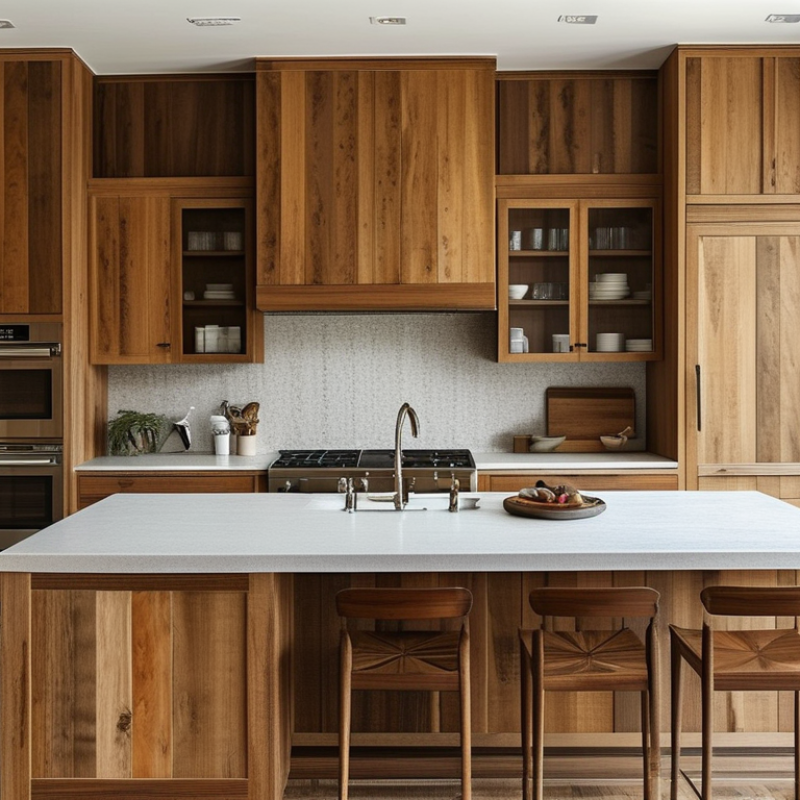
Differences in Composition: Solid Wood vs. Wood Veneer Explained
When considering the differences between solid wood and wood veneer, it’s essential to understand their composition. Solid wood comes from single pieces of timber. This creates a robust and sturdy construction, perfect for durable furniture. Wood veneer, however, consists of thin layers of wood, glued onto a substrate. This method allows for a more cost-effective production. It can mimic the look of solid wood while being lighter and often more customizable.
The environmental impact also varies significantly. Solid wood may involve more trees being cut down, raising sustainability concerns. Wood veneer often uses fewer resources, as it requires less wood per unit of product. On the downside, veneers can peel or chip over time, making them less durable than their solid counterparts.
Aesthetically, both have their appeal. Solid wood boasts unique grains and natural imperfections, telling a story over time. Veneer can offer a flawless appearance but may lack character. When it comes to repairs, solid wood is easier to refinish. Veneer, once damaged, can be more challenging to restore. This complexity makes choosing the right material a personal decision; each option has its pros and cons.
Durability and Longevity: How Solid Wood Compares to Veneer
When comparing solid wood and wood veneer, durability and longevity are key factors. Solid wood is widely celebrated for its strength. It can last for decades, often over a century if maintained properly. In contrast, wood veneer, which is thinly sliced wood glued to a core, has limitations on lifespan. Industry studies show that solid wood can endure wear and tear better than veneer, making it a preferred choice for high-traffic areas in homes.
Wood veneer can chip and peel, especially in humid environments. It has a lower resistance to scratches than solid wood. According to the National Wood Flooring Association, solid wood can withstand up to five times more impact than veneer. This resilience makes solid wood furniture less prone to damage over time. However, it requires regular maintenance, including polishing and refinishing, to keep it looking new.
There are times where veneer can successfully mimic the appearance of solid wood at a fraction of the cost. Yet, it may leave homeowners questioning its long-term value. Solid wood can be repaired and refinished multiple times, while veneer may need complete replacement. The contrasting durability raises important considerations for consumers weighing aesthetic desires against practical needs.
Top 10 Differences Between Solid Wood and Wood Veneer
Cost Analysis: Investment Differences Between Solid Wood and Veneer
When comparing solid wood and wood veneer, cost is a significant factor. Solid wood is more expensive. A recent industry report shows solid wood can cost 50% to 100% more than veneer. This stems from sourcing, processing, and the material itself. High-quality solid wood furniture typically offers better durability and longevity, but the upfront investment can be daunting for many consumers.
On the other hand, wood veneer presents a budget-friendly alternative. Veneer allows for the aesthetic of solid wood while using fewer resources. This can lead to a more sustainable choice. According to a 2022 study, more homeowners are opting for veneer due to its cost-effectiveness. The average price for quality veneer is often less than half that of solid wood, making it an attractive option for those on a budget. In a market where prices fluctuate, understanding the investment landscape helps customers make informed decisions.
Sustainability Factors: Environmental Impact of Solid Wood versus Veneer
When considering sustainability, the environmental impact of solid wood versus wood veneer presents a complex picture. Solid wood, sourced from trees, requires significant energy and resources for harvesting and processing. According to the Forest Stewardship Council, well-managed forests can provide renewable resources, but overharvesting poses risks. In contrast, wood veneer is a thin layer cut from solid wood. This process maximizes resource use by allowing more products from a single tree. Reports indicate that veneer production can result in 70% less wood waste compared to solid alternatives.
It's important to note that the carbon footprint of solid wood can be substantial. A study by the U.S. Environmental Protection Agency suggests that improper harvesting methods contribute to deforestation and climate change. On the other hand, a veneer's lower environmental impact can make it a more favorable option for eco-conscious consumers. However, the adhesive used in veneer production can sometimes complicate its environmental profile. Research indicates that certain adhesives can release volatile organic compounds (VOCs), harming indoor air quality.
**Tip:** Look for certifications like FSC or PEFC when choosing wood products. This ensures sustainable practices in harvesting.
**Tip:** Consider the life cycle of products. Solid wood can last longer but may require more resources upfront. Veneer is often more affordable but may not have the same longevity as solid wood.
Top 10 Differences Between Solid Wood and Wood Veneer
| Criteria |
Solid Wood |
Wood Veneer |
| Material Composition |
Made from solid timber, entirely one piece. |
Thin slices of wood glued onto a core material. |
| Cost |
Generally more expensive due to higher material costs. |
More budget-friendly option. |
| Durability |
Highly durable and can last for generations. |
Less durable, can be damaged easily. |
| Environmental Impact |
Can lead to deforestation if not sourced sustainably. |
Uses less wood, more efficient use of resources. |
| Aesthetic Appeal |
Unique grain patterns and texture. |
Can replicate solid wood look, may lack depth. |
| Repairability |
Can be sanded and refinished multiple times. |
Difficult to repair if damaged. |
| Weight |
Usually heavier. |
Lighter due to a core material. |
| Moisture Resistance |
More resistant to changes in humidity. |
May warp or separate in high humidity. |
| Longevity |
Can last over a lifetime with proper care. |
Typically has a shorter lifespan. |
| Sustainability |
Sustainable sourcing is key. |
More environmentally friendly due to lower material usage. |
Aesthetic Appeal: Visual and Textural Differences in Wood Products
When considering aesthetic appeal, solid wood and wood veneer present distinct visual and textural differences.
Solid wood, with its natural grains and unique patterns, exudes warmth and rustic charm.
It can elevate any space with an organic and timeless look. According to the Wood Products Council, solid wood's authenticity often appeals to consumers who value craftsmanship and quality.
However, it may come at a higher price and can be susceptible to warping or cracking over time.
Wood veneer, crafted from thin slices of real wood glued onto a core material, offers a different aesthetic.
While it beautifully mimics the appearance of solid wood, it can be more budget-friendly.
The flexibility in design allows for a wider variety of finishes and styles, appealing to modern tastes.
A report from the American Wood Council indicates that veneer can achieve complex designs that solid wood may not support structurally.
Yet, some may perceive veneer as less authentic, leading to questions about durability.
Tips: When selecting wood products, consider how you want the material to feel in your space.
If warmth and authenticity matter to you, go for solid wood.
If you seek versatility in design at a lower cost, veneer could be your answer.
Always inspect for quality and finish to ensure you are choosing wisely, as details often matter.
FAQS
: Solid wood is typically 50% to 100% more expensive than veneer.
The cost arises from sourcing, processing, and the material's durability.
Yes, veneer can produce 70% less wood waste compared to solid wood.
Yes, improper harvesting leads to deforestation and could contribute to climate change.
Some adhesives can release VOCs, affecting indoor air quality.
Solid wood offers unique grains, while veneer mimics wood with more design flexibility.
Veneer may not have the same longevity as solid wood.
Think about aesthetics, durability, and budget when making your choice.
Yes, look for FSC or PEFC certifications to ensure sustainable practices.
Solid wood provides warmth and authenticity; veneer offers versatility in design.
Conclusion
This article explores the key distinctions in the ongoing debate of what is the difference between solid wood and wood veneer. It begins by examining their composition, highlighting how solid wood is made from whole logs, while veneer consists of thin slices of wood glued onto a core material. Additionally, durability and longevity are discussed, with solid wood typically offering greater resilience compared to veneer, which may be more susceptible to wear.
The cost analysis addresses the investment differences, with solid wood usually being more expensive due to its quality and longevity. Environmental factors are also examined, emphasizing the sustainability of both options and their impacts on ecosystems. Finally, aesthetic appeal is considered, noting the unique visual and textural qualities that each type of wood presents, influencing consumer preferences based on style and finish.

 Mingkei Furniture