Mixing and matching different wood tones in a room can be a challenging yet rewarding process. The right combination adds warmth and texture, creating an inviting atmosphere. However, achieving a harmonious look requires some thought and expertise. How to mix and match different wood tones in a room involves understanding color theory, contrasts, and balance.
Consider the existing elements in your space. Are you working with light or dark furnishings? Identifying these tones helps you make better choices. Stylish interiors often incorporate various wood finishes, but a mismatched approach can feel chaotic. It's essential to find common ground among wood tones, focusing on complementary pieces rather than random selections.
Experimentation is key, but not every combination will succeed. Embrace the trial-and-error process to discover what works for your unique style. Don't shy away from layering, but be cautious. Too much variety can lead to a disjointed look. Ultimately, a thoughtful arrangement of wood tones will elevate your space and showcase your design sensibility.
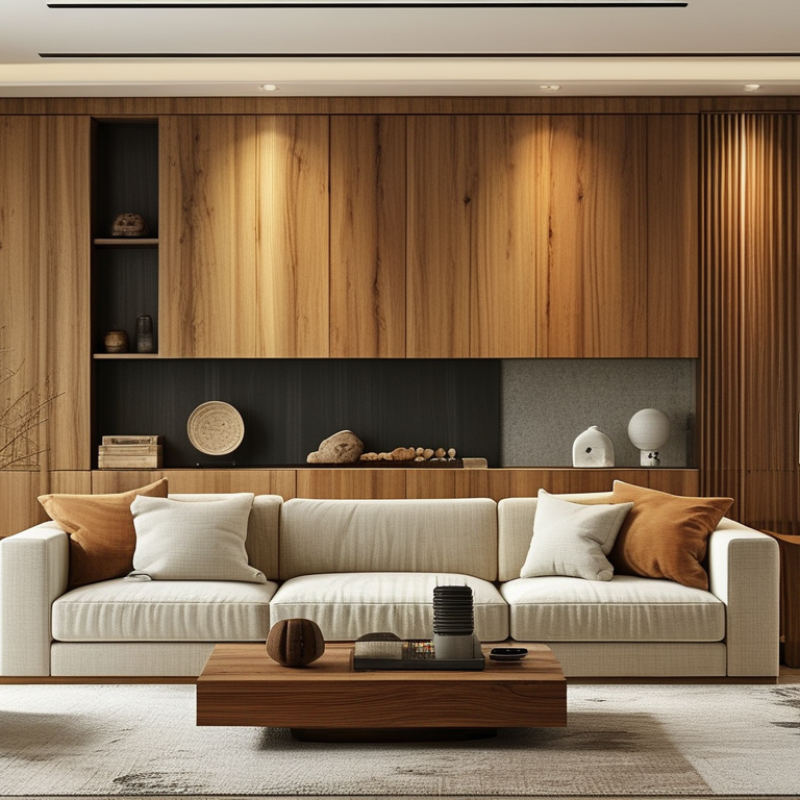
Understanding Different Wood Tones: A Comprehensive Guide
When mixing wood tones, understanding the various shades is essential.
Light woods,
like maple and birch, offer a fresh and airy feel.
Darker woods,
such as walnut and mahogany, create warmth and richness.
Medium tones, like oak, bridge the gap between light and dark, making them versatile.
Mixing these tones can enhance your space, but balance is key.
It’s important to consider the undertones of each wood.
Some light woods have yellow undertones, while certain dark woods might lean red.
Awareness of these subtle differences can prevent clashes in your room design.
Experimenting with different combinations is part of the process.
It may take several attempts to find the right mix.
Don’t hesitate to try different layering techniques,
like placing a light wood table on a dark wood floor.
Incorporate elements like fabric and
paint colors to harmonize your wooden pieces.
A neutral palette can bridge contrasting tones effectively.
Remember, the goal is to create a cohesive aesthetic.
Trust your instincts, but also be ready to adjust your choices as needed.
Mixing wood tones requires patience and an eye for detail.
The Psychology of Wood Tones in Interior Design
Wood tones play a significant role in creating ambiance in any room. Each tone can evoke different emotions and contribute to the overall psychology of space. Dark woods often bring a sense of warmth and sophistication. They can make a room feel cozy and inviting. In contrast, lighter woods can create a breezy and open feel, promoting tranquility and clarity.
Tips for mixing wood tones effectively include considering the overall color scheme of your room. Pair warm tones with warm hues and cool tones with cool shades. This approach fosters harmony and balance. Use varying wood finishes to add depth and interest. You might mix oak tables with walnut chairs for a striking contrast.
However, challenges can occur when blending multiple wood tones. Too many different shades may clash, leading to visual chaos. Reflect on your choices and consider the room’s purpose. A productive workspace might benefit from clearer, calmer tones, while a living area can embrace richer, more varied shades. Remember, there’s no perfect formula; experimentation and personal intuition play essential roles in achieving the right wood tone mix.
Wood Tones Preference Among Homeowners
Rules for Mixing and Matching Wood Tones Effectively
Mixing and matching wood tones can transform a room. However, it requires a keen eye and understanding of design principles. According to industry studies, 70% of interior designers believe that variety in wood tones enhances spatial depth. But too much contrast can lead to a jarring effect.
A basic rule is to choose a dominant wood tone, then select complementary pieces. For instance, if you have a dark walnut table, lighter oak chairs can create balance. Pay attention to undertones. Cool-toned woods pair well with similar shades, while warm woods usually match with warmer tones. This coordination is vital to avoid chaos in your space.
Tip: Use wood swatches when selecting furniture. Place them next to each other to see how they interact in natural light. Be mindful of finishes. Glossy finishes can clash with matte ones, creating inconsistency.
Another rule is scale and texture. Larger pieces should dominate, while smaller accents can vary. Use contrasting textures to add interest without overwhelming the eye. Remember, perfection isn’t the goal; a curated look can feel more lived-in and inviting. Embrace imperfections for a uniquely personalized space.
Common Mistakes to Avoid When Combining Wood Finishes
Combining wood finishes can be challenging. A common mistake is not considering the undertones of the woods involved. Different wood species can have warm or cool undertones. For example, oak leans warm while walnut has cooler shades. This can create a disjointed look if not balanced properly.
Another error is using too many different wood tones in one space. A study by the Design Institute of America found that over 60% of interior designers prefer a cohesive look. This doesn't mean you can use just one wood type. Instead, aim for a harmonious blend with perhaps two to three complementary tones.
Lighting plays a crucial role too. Natural light can alter the perceived color of wood finishes. Some tones may clash under artificial light. Testing different wood samples in your room’s lighting can prevent future regrets. Create a sample board with swatches to visualize the overall effect before making a final decision. Mixing wood tones can elevate your space, but careful consideration is key to achieving a well-balanced aesthetic.
Professional Tips for Achieving a Cohesive Look with Wood Tones
Mixing and matching wood tones can be a daunting task. However, with a few professional tips, you can achieve a cohesive look. Start by selecting a dominant wood tone. This will serve as your base and should match larger pieces, like furniture. For example, a rich walnut coffee table can be complemented with lighter oak accents.
Consider the contrast between different wood types. Pairing warm tones with cooler shades can create depth. A dark mahogany bookshelf can be beautifully offset with a light maple chair. This contrast helps prevent the space from feeling flat. Remember that it's essential to maintain balance. Too much variation can lead to chaos.
Texture plays a crucial role as well. Glossy finishes can add sophistication, while matte textures offer a rustic feel. Mixing these textures adds interest and dimension. Be mindful of the proportions; too many different tones can create confusion. Finally, reflect on how the woods interact with your chosen colors. Aim for harmony instead of perfection.
How to Effectively Mix and Match Wood Tones in Your Room?
| Wood Type |
Tone Description |
Recommended Combinations |
Ideal Room Usage |
| Oak |
Light golden to medium brown |
Pairs well with walnut or cherry |
Living room, dining room |
| Walnut |
Rich, dark brown with warm tones |
Combines beautifully with light ash |
Bedroom, office |
| Maple |
Creamy white to light tan |
Works well with mahogany |
Kitchen, bathroom |
| Cherry |
Deep reddish-brown |
Looks great with lighter woods like oak |
Formal dining room, study |
| Beech |
Pale yellow to light brown |
Complements walnut and maple |
Living room, children’s room |
Conclusion
Mixing and matching wood tones in a room can significantly enhance the aesthetic appeal and warmth of your space. To effectively achieve this, it's essential to first understand the different wood tones available, as well as the psychological impacts they can have on the atmosphere of a room. Rules for mixing wood tones involve balancing light and dark shades, maintaining a similar grain texture, and considering the overall design style of the space.
Additionally, there are common mistakes to avoid, such as overwhelming the space with too many contrasting tones or failing to create a cohesive look. Following professional tips can guide you in successfully combining various wood colors and finishes, ensuring that they harmonize rather than clash. Ultimately, knowing how to mix and match different wood tones in a room can result in a visually pleasing and inviting environment.

 Mingkei Furniture