Memory foam mattresses have gained popularity for their comfort and support. However, many consumers wonder, "why do memory foam mattresses retain heat?" According to Dr. Emily Chang, a renowned sleep expert and author, "The heat retention of memory foam can impact sleep quality for some individuals."
This phenomenon occurs primarily due to the material's density and structure. Memory foam is designed to contour to your body, trapping heat in the process. While this can provide a cozy sleeping environment, it may also lead to discomfort for those who tend to sleep hot. The materials used often have poor ventilation, further aggravating this issue.
Additionally, the mattress's initial feel can be misleading. Many users may expect a cool, refreshing surface but find themselves waking up warm and sticky. This paradox highlights that not all memory foam mattresses are created equal. Understanding the reasons behind heat retention can guide consumers in choosing the right mattress that suits their sleeping style.
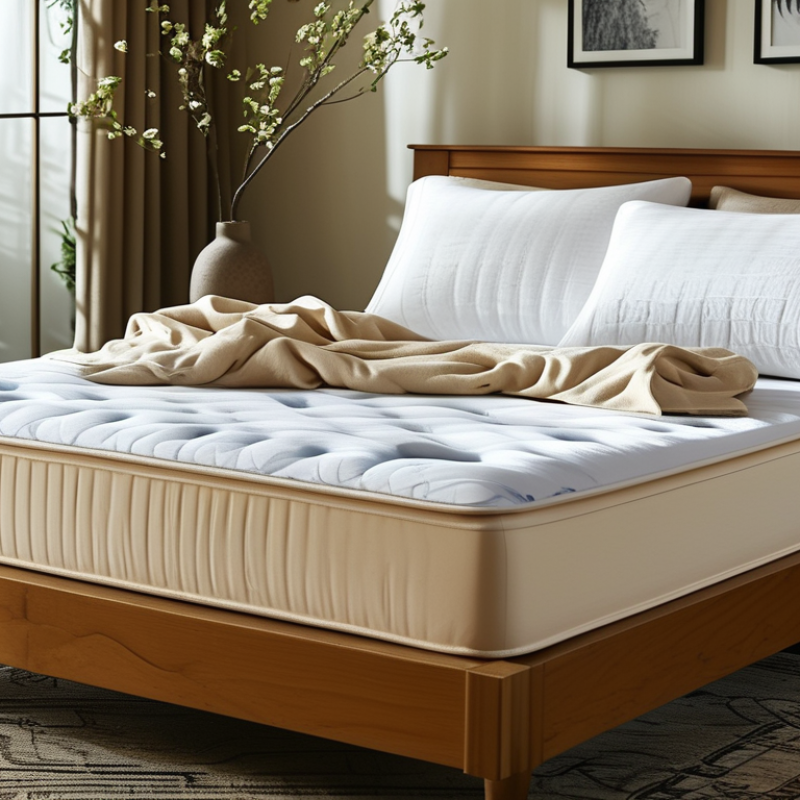
Memory foam mattresses are known for their comfort, but their heat retention is often a concern. Understanding the composition of memory foam can shed light on this issue. Memory foam is made from viscoelastic materials. This unique blend allows the foam to conform to your body. However, it also means that the material can trap heat. The density of the foam plays a crucial role in this heat retention. Denser foams can hold onto more heat compared to those with a lighter composition.
Another factor is the lack of airflow in traditional memory foam. Unlike other mattress types, such as coil or hybrid models, memory foam does not have natural ventilation. This can create a warm sleeping environment. Some manufacturers have attempted to address this by incorporating cooling gels or infusing the foam with cooling materials. However, these solutions vary in effectiveness. For some sleepers, even these innovations may not be sufficient. The variability among individuals means that what works for one may not work for another. It’s essential to consider personal preferences when selecting a mattress.
Memory foam mattresses are known for their comfort and support. However, their density plays a crucial role in heat retention. High-density memory foam tends to trap heat more effectively than lower-density options. This is because the material is designed to contour to your body, creating a barrier that can prevent airflow. As a result, your body heat can accumulate, leading to a warmer sleeping environment.
The structure of memory foam contributes to this problem. The foam's closed-cell design limits how air can circulate. While this feature provides excellent support, it also means that heat gets trapped. Some may find this level of warmth cozy, but for others, it can lead to discomfort. Over time, individuals might notice that their mattress retains heat more than expected.
Choosing the right density can make a difference. Consider that lower-density foam might provide a cooler sleep experience. However, it may sacrifice some support and durability. This reflects the ongoing challenge in selecting a mattress that balances comfort with temperature regulation. Keeping these factors in mind can lead to a better night's sleep for many.
Memory foam mattresses have gained popularity for their comfort and support. However, many users complain about heat retention. Understanding the role of body heat can provide insights into this phenomenon. When you lie down, your body naturally emits heat. Memory foam materials absorb this heat, leading to an increase in temperature. This can create an uncomfortable sleeping environment for some individuals.
Body heat causes the foam to soften and conform more closely to your shape. This feature provides excellent support but can also trap heat. As the foam retains warmth, it may not dissipate quickly. While some users appreciate the cozy feel, others find it stifling. This conflict can lead to inconsistent sleep experiences. Experimenting with different bedding materials may help in reducing this retained heat.
It is vital to explore various options for minimizing heat retention. Consider using breathable bedsheets or a mattress protector designed for cooling. Personal preferences vary greatly in this area, and individual experiences can differ widely. Finding the right balance between comfort and temperature control can take time and reflection. Each person’s sleeping experience is unique, requiring thoughtful adjustments to ensure a restful night.
Memory foam mattresses are known for comfort but often face criticism for retaining heat. Unlike traditional mattresses, memory foam can trap body heat due to its dense structure. This thermal retention makes it difficult for some sleepers to enjoy a comfortable night's rest.
Breathability varies significantly among mattress materials. Latex and innerspring mattresses generally offer better airflow compared to memory foam. Innerspring mattresses use coils that allow air to circulate freely. Latex mattresses, made from natural materials, also feature holes for breathability. These options might suit those who sleep hot.
Tips: Consider mattress protectors designed with cooling technology. They can help regulate temperature and enhance comfort. Another option is to choose hybrid mattresses. These combine memory foam with cooler materials like gel or latex.
Purchasing memory foam doesn't mean accepting heat retention. Research indicates that some newer models incorporate cooling gels. This added feature may improve airflow and reduce warmth. Paying attention to construction and materials is essential for optimal comfort.
Memory foam mattresses are popular for their comfort and support. However, heat retention can be a concern. Research shows that memory foam tends to absorb body heat, causing discomfort during the night.
To reduce heat retention, consider using a breathable mattress protector. This layer can improve air circulation. Additionally, choosing a cooler bedding material, like cotton or linen, can enhance comfort. It's worth noting that some manufacturers now provide cooling gel-infused memory foam that helps regulate temperature.
Another effective strategy is to adjust the room temperature. Keeping the bedroom cooler can significantly impact your sleep quality. Make use of fans or air conditioning to promote airflow. Some users find that purchasing a mattress with a hybrid design offers both support and temperature regulation. By implementing these strategies, you can enjoy the benefits of memory foam while minimizing heat issues.
| Reason | Description | Heat Retention Effect | Possible Solutions |
|---|---|---|---|
| Material Composition | Memory foam is made of viscoelastic material that conforms to body shape. | High heat retention due to the density of material. | Opt for open-cell memory foam with better airflow. |
| Lack of Airflow | Memory foam can trap heat as it does not allow air circulation. | Contributes to overheating during sleep. | Use gel-infused or breathable mattress covers. |
| Body Temperature Regulation | Memory foam absorbs and retains body heat. | May lead to discomfort due to excessive warmth. | Choose a mattress with temperature regulation technology. |
| Mattress Density | Higher density mattresses offer more support but less airflow. | Results in higher heat retention. | Select medium-density foam for better comfort and cooling. |
| Bedding Choice | Certain bed linens can trap heat. | May increase warmth while sleeping. | Choose breathable sheets made from cotton or linen. |
: Higher-density memory foam traps heat more effectively due to its structure, limiting airflow.
Memory foam absorbs body heat, causing it to soften and conform closely, which can lead to a warmer sleep environment.
Lower-density foam can provide a cooler sleep, but it may sacrifice support and durability.
Breathable mattress protectors and bedding made from cotton or linen can enhance air circulation.
Keeping the bedroom cooler with fans or air conditioning can significantly improve sleep quality.
Some users enjoy the warmth, while others find it stifling, leading to varied sleep experiences.
Balance comfort with support and temperature control can be challenging and may require thoughtful adjustments.
Some manufacturers offer cooling gel-infused memory foam that helps regulate temperature while providing support.
Individual experiences vary greatly, and what feels comfortable to one person might be uncomfortable for another.
Finding the right balance between comfort and heat control may take time and personal reflection on sleep preferences.
Memory foam mattresses are popular for their comfort, but many users wonder, "why do memory foam mattresses retain heat?" This phenomenon primarily stems from the composition and density of the foam itself. Memory foam is made from viscoelastic material that conforms to the body, but its denser structure can trap heat during sleep. Additionally, when body heat is absorbed, it increases the mattress's temperature, leading to discomfort for some sleepers.
The breathability of memory foam is also a significant factor when comparing it to other mattress materials. While it offers excellent support, it often lacks adequate airflow, contributing to heat retention. To mitigate this issue, there are several strategies to consider, such as using breathable mattress covers, selecting cooling memory foam variants, or incorporating heat-dissipating materials to enhance overall comfort. Understanding these aspects can help users make informed decisions and improve their sleep experience.

Mingkei Furniture