Why Does My Office Chair Sink and How Can I Fix It

Time:2026-06-16 Author:Madeline
0%

An office chair that sinks unexpectedly can be incredibly frustrating. Many of us spend hours sitting at our desks. When the chair fails, it disrupts focus and comfort. So, why does my office chair sink and how to fix it? This common issue typically occurs due to a problem with the gas lift cylinder. Over time, wear and tear can lead to a loss of gas pressure, causing the chair to lower.

In some cases, it may simply need a repair, while other times a replacement is necessary. Understanding the mechanics behind your chair can empower you to take action. Addressing the issue is not just about fixing the chair; it's about enhancing your workspace. A stable chair allows for better posture and productivity.

Recognizing this problem may prompt self-reflection about your workspace setup. Consider how many adjustments you've made. Have you overlooked signs of malfunction before? These questions can guide your next steps. Taking care of your office chair ensures a more comfortable and enjoyable work environment.
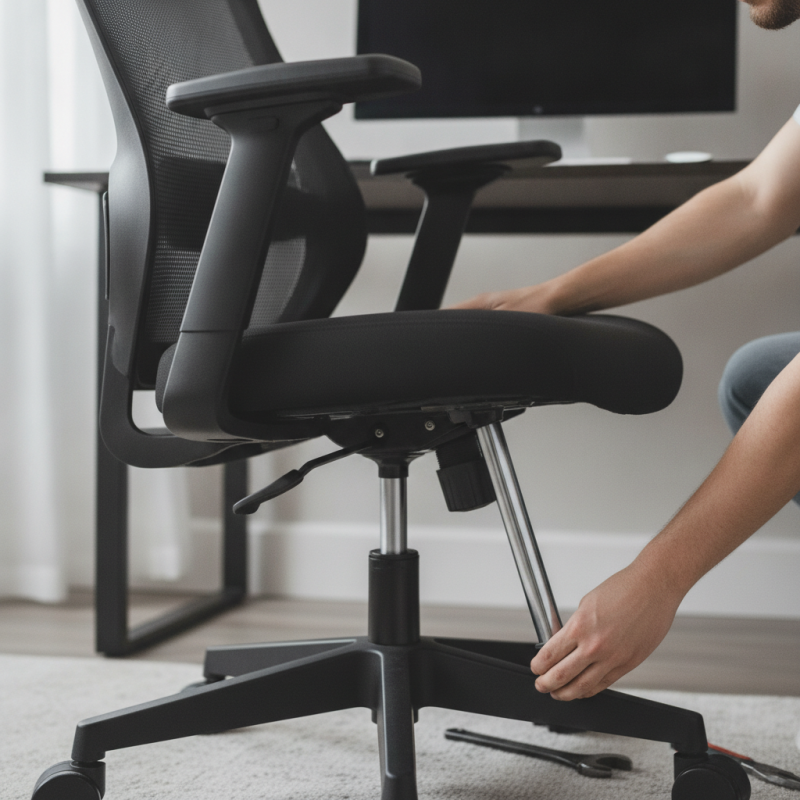
Why Does My Office Chair Sink and How Can I Fix It

Understanding the Mechanism Behind Office Chair Height Adjustment

Office chairs often feature a height adjustment mechanism. This mechanism typically relies on a gas lift cylinder. As you sit, your weight compresses the cylinder, allowing the seat to lower. When this gas lift fails, it results in a sinking chair. Understanding this mechanism is essential for diagnosing and fixing the issue.

Identifying the problem is the first step. Check for any visible damage on the chair's lever or cylinder. A loose lever may cause instability. Sometimes, the gas can leak, reducing its functionality. Inspecting these components provides insights into whether a simple adjustment or replacement is necessary.

Fixing a sinking chair can be simple. Replacement cylinders are available online. However, some users may struggle with DIY repairs. It’s okay to seek help from professionals if unsure. Be mindful that not all chairs are easy to adjust. Some designs can be more complex, leading to potential frustrations. In such cases, reassessing your chair choice may lead to a more satisfying long-term solution.

Why Does My Office Chair Sink and How Can I Fix It - Understanding the Mechanism Behind Office Chair Height Adjustment

Issue Cause Fix Prevention
Chair Sinks Slowly Worn out gas lift cylinder Replace the gas lift cylinder Regular inspections and maintenance
Chair Sinks Immediately Damaged or faulty mechanism Repair or replace the mechanism Avoid excessive weight
Height Adjustment Not Working Blocked or jammed hydraulic system Clean or lubricate the adjustment lever Keep the area around the mechanism clear
Unstable Height Settings Loose adjustment lever Tighten or replace the lever Check and secure all fittings regularly

Common Causes of Office Chair Height Sinking: A Technical Overview

An office chair sinking is a frustrating issue that many experience. One common cause is a faulty gas lift cylinder. This cylinder allows users to adjust the chair height. Over time, it can wear out or leak gas, leading to unwanted sinking.

Another factor could be improper assembly or wear at the chair base. If the base is loose, it can affect how the chair holds its height. Sometimes, accumulated dirt or dust can clog the mechanism, causing it to malfunction. Regular maintenance is often overlooked but essential for longevity.

Tips: Check for any visible damage to the gas lift. Flush out dust with compressed air. Tighten screws and bolts periodically to ensure stability. If the problem persists, consider replacing the gas lift cylinder. Often, this can restore functionality without needing a new chair.

Impact of Weight Capacity on Office Chair Performance and Stability

When selecting an office chair, understanding weight capacity is crucial. Each chair is designed to support a specific weight limit. Exceeding this limit can affect performance and stability, causing chairs to sink or wobble. For example, a chair rated for 250 pounds may not perform well if frequently used by someone weighing 300 pounds.

To maintain optimal function, follow these tips. Always check the manufacturer’s specifications for weight capacity. This ensures that you choose a chair that supports your needs. Also, pay attention to the condition of the chair. Worn-out gas lifts can frequently fail, leading to unintentional sinking.

It's important to reflect on your choices. Sometimes, we overlook signs of wear and tear. A chair that sinks may not only be uncomfortable but can also lead to poor posture. Regular maintenance can extend the life of your chair, ensuring you remain comfortable and productive in your workspace.

Step-by-Step Guide to Repairing a Sinking Office Chair Effectively

Many people face the frustrating issue of a sinking office chair. This common problem often results from a faulty gas lift cylinder. According to industry reports, roughly 30% of office workers experience discomfort due to improper chair height. Repairing a sinking chair can enhance comfort and productivity in your workspace.

To fix this issue effectively, begin by checking the gas cylinder. Remove the chair seat and inspect for leaks. If necessary, compress the cylinder to assess its condition. If repairs seem daunting, consider a replacement. Many affordable options exist that can extend the life of your chair. Remember, a well-functioning chair is crucial for ergonomic support.

Tips: Regularly check your chair for wear and tear. Maintaining proper height settings can prevent future sinking issues. Invest time to understand the mechanics of your chair. This knowledge will save you headaches later. A reliable chair not only boosts your efficiency but also enhances your overall well-being at work.

Preventive Measures to Maintain Optimal Chair Height and Comfort

Maintaining the optimal height and comfort of your office chair is essential for productivity. Regularly check the height adjustment lever for wear and tear. A worn lever can lead to unintentional sinking. Always test your chair before long working hours. If it sinks, consider replacing the gas cylinder. It’s an easy fix that can enhance your sitting experience.

Another preventive measure is to avoid excessive weight on the chair. Heavy items can stress the chair's mechanism, leading to faster deterioration. Additionally, ensure that the chair's wheels roll smoothly. A chair that doesn't move well can cause strain and discomfort. Use a chair mat to protect your flooring and ensure stability.

You might also reflect on your sitting habits. Poor posture can create unnecessary pressure on the chair's components. Regularly adjust your seat to find your sweet spot. A mindful approach to chair adjustment can greatly improve comfort over time. Taking these steps helps maintain your chair while promoting better health.

Office Chair Height Stability Over Time

This chart illustrates the decline in office chair height stability over a six-month period. Regular maintenance and preventive measures can help maintain optimal chair height and comfort.

FAQS

: What causes an office chair to sink?

: A faulty gas lift cylinder is a common cause. It might wear out or leak gas over time.

How can I identify if my chair has a problem?

Check for visible damage on the lever or cylinder. A loose lever can lead to instability.

Is it difficult to fix a sinking chair?

Fixing it can be simple. Replacing the gas lift cylinder is often straightforward but requires some effort.

What should I do if I'm unsure about repairs?

It's okay to seek professional help if DIY repairs seem overwhelming. Don't hesitate to ask for assistance.

How can regular maintenance prevent sinking issues?

Regularly tightening screws and checking for dirt can enhance chair performance. Maintenance is vital for longevity.

What if my chair design is complex?

Some chairs are harder to adjust. In these cases, reassess your choice for better long-term satisfaction.

Are there affordable options for replacement cylinders?

Yes, many affordable options exist online. A replacement can greatly extend your chair's life.

How often should I inspect my office chair?

Regular inspections are essential. Check every few months to catch issues early and maintain a comfortable workspace.

Can a sinking chair affect my productivity?

Absolutely. An uncomfortable chair can lead to discomfort and reduced productivity in your workspace.

What feelings might arise from a sinking chair experience?

Frustration and discomfort are common. Learning to fix the issue can provide a sense of accomplishment.

Conclusion

In exploring the question of "why does my office chair sink and how to fix it," it is essential to understand the mechanism behind office chair height adjustment. The sinking issue often stems from a faulty gas lift cylinder or wear and tear over time. Additionally, factors such as weight capacity can significantly impact the chair's performance and stability, leading to unexpected height changes.

To effectively address a sinking office chair, a step-by-step guide can assist users in troubleshooting and repairing the issue. Furthermore, adopting preventive measures can help maintain optimal chair height and comfort, ensuring a more enjoyable seated experience. By understanding these elements, one can tackle the sinking problem and enhance the longevity of their office chair.

Madeline

Madeline

Madeline is a dedicated marketing professional with a wealth of expertise in our company's core offerings. With a keen understanding of the industry, she brings a unique perspective to her role, consistently delivering high-quality content that highlights the superior aspects of our products. As......