Top 10 Tips to Pet Proof Your Living Room Furniture

Time:2026-07-05 Author:Sienna
0%

When it comes to living with pets, protecting your furniture is essential. According to pet care expert Dr. Emily Parker, "Creating a pet-friendly space requires thoughtful adjustments to your home." This insight emphasizes the need for effective strategies on how to pet-proof your living room furniture.

Living rooms often attract pets. Sofas, chairs, and rugs can be prone to scratches and stains. Taking simple steps can help in minimizing damage. Use slipcovers for easy cleaning and consider durable materials that resist wear. Choosing furniture with fewer sharp edges can also keep your pets safe while preserving your decor.

Despite your best efforts, accidents can happen. A curious puppy might chew on a favorite chair, or a cat could find joy in climbing up drapes. How you react to these moments is just as important as prevention. Reflect on your choices and adjust them as needed. Balancing style, comfort, and pet needs can result in a harmonious living space for you and your furry friends.
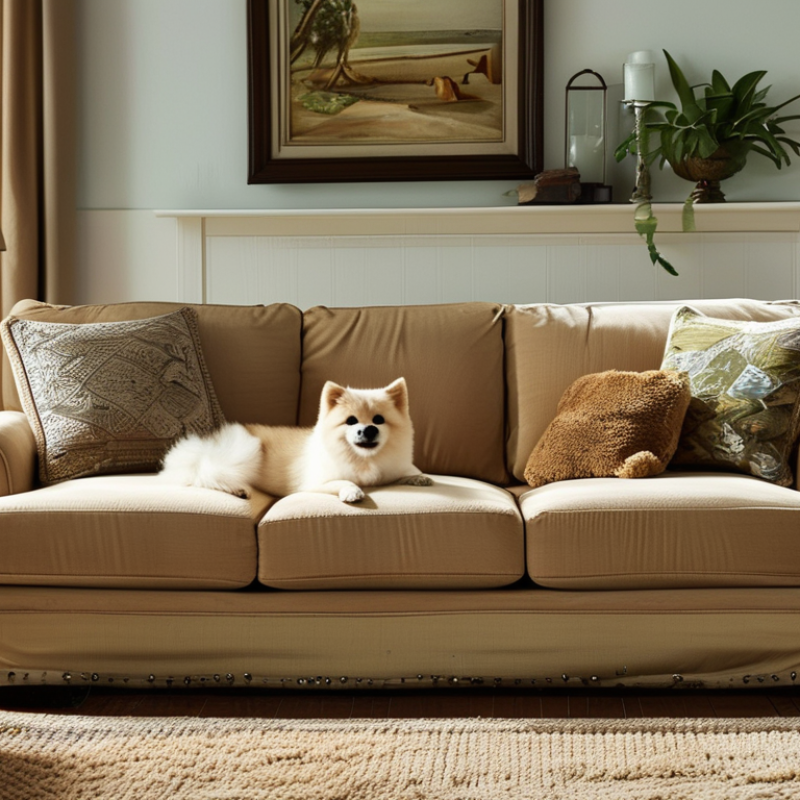
Top 10 Tips to Pet Proof Your Living Room Furniture

Understanding Pet Behavior and Furniture Damage Patterns

Understanding pet behavior is crucial for protecting your living room furniture. Pets often scratch and chew due to boredom or anxiety. They explore their surroundings with curiosity. Identifying these behaviors can help you anticipate and mitigate potential damage.

One effective way to reduce furniture damage is to provide alternative outlets for your pet’s energy. Consider engaging toys or scratching posts. These items can distract your pet from your furniture. Regular exercise also helps. Walks or playtime can significantly lessen destructive tendencies.

Another tip is to choose pet-friendly materials. Leather or tightly woven fabrics resist scratches and stains better than delicate options. Remember, even the best intentions may not always prevent accidents. A pet’s unpredictable behavior can result in unexpected wear and tear. Observing your pet’s habits can reveal areas needing protection.

Top 10 Tips to Pet Proof Your Living Room Furniture

Choosing Durable Fabrics: Resistance Ratings and Material Lifespan

When selecting fabrics for pet-friendly living room furniture, durability is key. Many homeowners underestimate the wear and tear pets can cause. According to a study from the Fabric Association, furniture fabrics face an average of 15,000 to 30,000 rubs in their lifespan. This is essential data for anyone with playful pets.

Materials such as microfiber and tightly woven textiles often offer higher resistance ratings. For instance, fabrics rated at 4 or higher on the Martindale scale withstand significant abrasion. These choices can mean the difference between longevity and quick wear. A 2021 consumer survey revealed that over 70% of pet owners regretted choosing low-quality materials after just a year.

Despite these tips, challenges remain. Certain fabrics may be resistant but not stain-proof. Pets can still leave marks or odors that are difficult to eliminate. Regular cleaning and maintenance become crucial. Pet owners often overlook the need for protective treatments that can extend the life of their furniture. Balancing aesthetics with practicality is vital, and sometimes, this balance requires ongoing reflection and adjustment. Select wisely to ensure both comfort and durability.

Implementing Protective Measures: Covers and Treating Surfaces

Protecting your living room furniture from pets can be challenging. According to the American Pet Products Association, 70% of households in the U.S. own pets. This high percentage makes it crucial to implement effective protective measures. Covers can create a barrier against fur and scratches. Choosing washable fabrics enhances ease of cleaning, making life easier for pet owners.

Treating surfaces with pet-friendly coatings can also be beneficial. These products are designed to resist stains and odors, extending the life of your furniture. A study by the National Pet Owners Association revealed that 78% of pet owners prioritize easy-to-clean materials. Investing in such treatments reflects your commitment to both style and durability.

However, finding the right balance can be hard. Not every treatment or cover works for all furniture types. It’s essential to consider both aesthetics and functionality. Some might find that certain materials don’t hold up over time. Continuous reflection on product performance and suitability is necessary. Ultimately, a thoughtful approach will lead to a comfortable living space that accommodates both pets and family life.

Strategic Furniture Arrangement: Safe Spaces for Pets and Owners

Creating a pet-friendly living room starts with strategic furniture arrangement. This approach not only enhances comfort for pets but also ensures safety for everyone in the space. According to a recent survey by the American Pet Products Association, over 70% of pet owners reported that their furniture has been damaged by their pets. This highlights the need to be proactive in protecting our living spaces.

Consider placing heavier furniture against walls to create stability. This prevents pets from knocking items over during playtime. Use rugs instead of delicate hardwood floors; they are easier to clean and provide a soft landing for your pets. Another effective tip is to establish clear boundaries. Designate specific areas where pets can rest, with cozy beds or blankets. This strategy creates a harmonious living area, reducing stress for both pets and owners.

It’s also valuable to assess furniture materials. Leather and microfiber are more resistant to stains and scratches when compared to fabric. When pets shed fur, a pet-proof fabric can make cleanup much easier. Informal furniture designs, like low coffee tables, invite interaction. This invites pets to gather while keeping furniture safe. But remember, perfection isn’t the goal. Even the best arrangements may still face occasional challenges. Reflect on your setup periodically to ensure it continues to meet the needs of all residents, furry or otherwise.

Selecting Pet-Friendly Plants: Toxicity Risks and Alternatives

Choosing the right plants for your living room is crucial when you have pets. Many common houseplants can be toxic to dogs and cats. For example, plants like philodendrons or lilies are dangerous if ingested. Signs of poisoning include vomiting and lethargy. Keeping your furry friends safe starts with understanding plant toxicity.

Instead, consider pet-friendly alternatives. Spider plants and Boston ferns are safe options. They add greenery without the risk. Creating a pet-friendly space involves research and careful selection. However, even safe plants need supervision. Pets may still chew on leaves, leading to stomach issues.

Creating a harmonious living space requires balancing aesthetics and safety. Reflect on your current plant choices. Are you willing to sacrifice beauty for safety? Sometimes, it's best to eliminate the risk entirely. This reflection will help you create a safer environment for your pets while still enjoying the beauty of your living room.

Top 10 Tips to Pet Proof Your Living Room Furniture - Selecting Pet-Friendly Plants: Toxicity Risks and Alternatives

Tip Description Pet-Friendly Plant Options Toxicity Risks
Choose Durable Fabrics Opt for materials that withstand scratches and stains like leather or microfiber. Spider Plant Non-toxic.
Use Outdoor Furniture Indoors Selected outdoor items are generally more durable and easier to clean. Bamboo Palm Non-toxic.
Incorporate Storage Solutions Store pet toys and accessories to keep the space tidy and safe. Parlor Palm Non-toxic.
Use Slipcovers Protect furniture with easily washable covers. Areca Palm Non-toxic.
Secure Loose Wires Prevent pets from chewing on dangerous cords. Rubber Plant Mildly toxic if ingested.
Choose Breakable-Free Decor Avoid fragile items that could break and pose a risk. Boston Fern Non-toxic.
Designate Pet Zones Create specific areas for pets to prevent mischief. Christmas Cactus Mildly toxic, avoid ingestion.
Introduce Deterrents Use sprays or scents that discourage pets from certain areas. African Violet Non-toxic.
Regular Cleaning Maintain cleanliness to prevent odors and allergens. Ponytail Palm Non-toxic.

FAQS

: What should I consider when choosing fabrics for furniture with pets?

: Durability is essential. Look for fabrics with high resistance ratings to endure wear and tear from pets.

How many rubs can furniture fabrics endure?

Fabrics can face between 15,000 to 30,000 rubs over their lifespan. This varies based on the material.

Are all resistant fabrics stain-proof?

No, many resistant fabrics can still absorb stains and odors. Regular cleaning is important to maintain them.

What protective measures can I take for my furniture?

Using covers and pet-friendly coatings can protect against fur and stains. This keeps your furniture looking good.

How often should I clean pet-friendly surfaces?

Regular cleaning is crucial. Pets can leave marks that require frequent attention to keep surfaces fresh.

What plants are safe for homes with pets?

Options like spider plants and Boston ferns are safe. They do not pose toxicity risks to dogs or cats.

How should I balance aesthetics with pet safety?

Reflect on plant choices. Sometimes, losing beauty for safety is necessary to protect your pets.

Can treatments for furniture always work effectively?

Not every treatment suits all materials. Trial and error may be needed to find the right balance.

Why is regular maintenance important for pet-friendly furniture?

It enhances longevity. Pets can wear down furniture quickly, requiring ongoing care and attention.

Are there risks in having houseplants with pets?

Yes, many common plants are toxic. Understanding plant toxicity is crucial for keeping pets safe in your home.

Conclusion

To effectively learn how to pet-proof your living room furniture, it's crucial to first understand pet behavior and the common patterns of furniture damage they may cause. By recognizing these behaviors, you can make informed decisions on how to safeguard your belongings. Choosing durable fabrics with high resistance ratings can extend the lifespan of your items, while implementing protective measures such as covers and specialized treatments can enhance their resilience against everyday wear and tear.

Additionally, strategically arranging your furniture can create safe spaces for both pets and owners, preventing accidents and promoting a harmonious environment. It's also essential to select pet-friendly plants, ensuring that no toxic varieties are accessible to your pets. By following these key strategies, you can successfully create a pet-proof living room that balances aesthetics and functionality while keeping your pets safe and happy.

Sienna

Sienna

Sienna is a skilled marketing professional with a deep expertise in our company’s core products and services. With a passion for innovation and detail, she plays a pivotal role in crafting insightful blog posts that not only highlight the unique features of our offerings but also provide valuable......