The global game table industry has transitioned from a niche leisure market to a highly sophisticated sector operating at the intersection of luxury craftsmanship, digital integration, and strict safety regulations. Historically restricted to basement recreation rooms, premium game tables—ranging from professional-grade billiards and multi-sports configuration tables to luxury foosball and modern tabletop gaming stations—are now prominent fixtures in high-end residential estates, corporate wellness hubs, luxury hotels, and commercial entertainment facilities.
As international supply chains tighten, professional buyers prioritize manufacturers that guarantee compliance with strict European and American safety directives. The most notable amongst these is the Conformité Européenne (CE) marking, a mandatory compliance requirement for entering the European Economic Area (EEA). Without CE certification, commercial game tables face customs seizures, structural liabilities, and safety compliance rejections in B2B procurement pipelines.
"Modern commercial spaces do not just buy equipment; they acquire certified assets that must withstand millions of interactions without structural fatigue, chemical outgassing, or mechanical failures. CE certification is the trust foundation of this transaction."
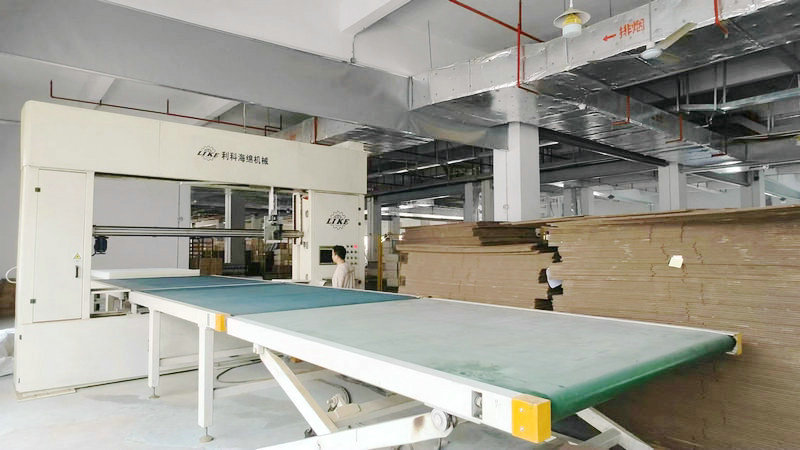
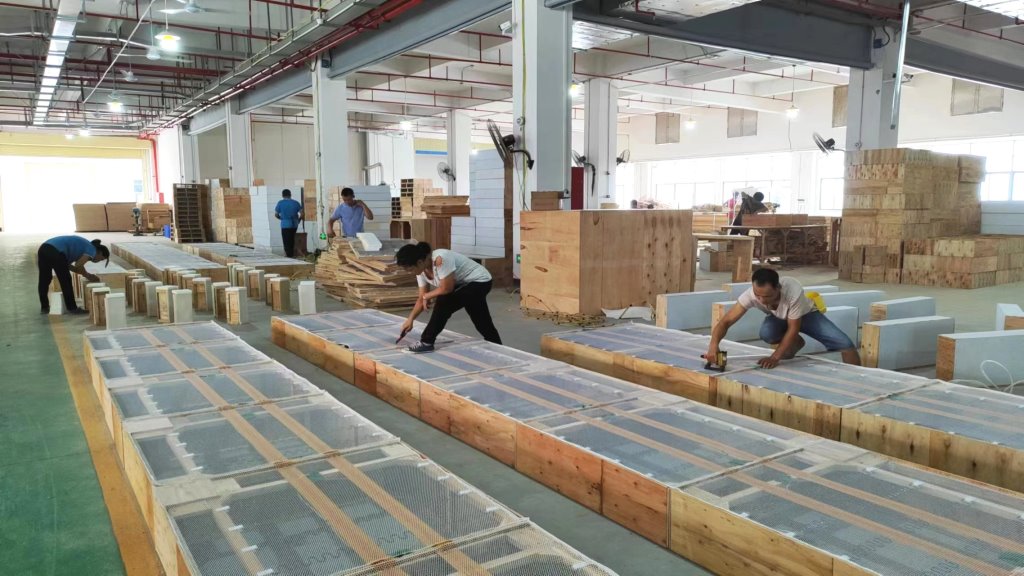
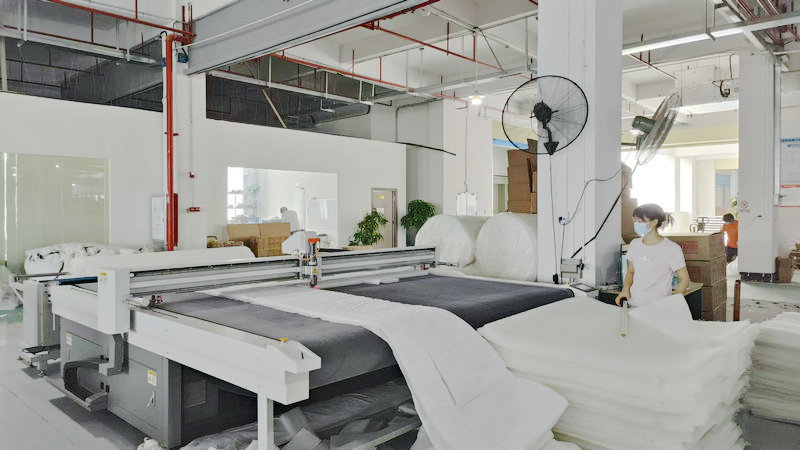
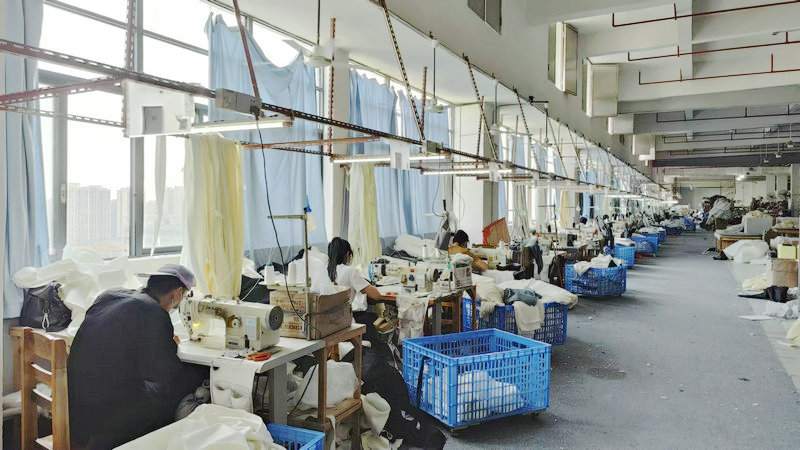
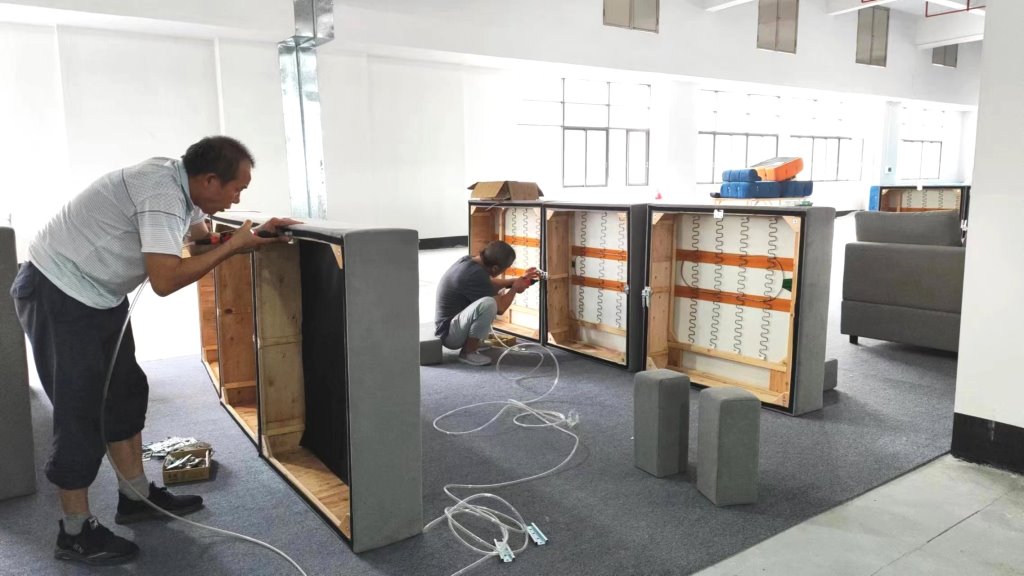
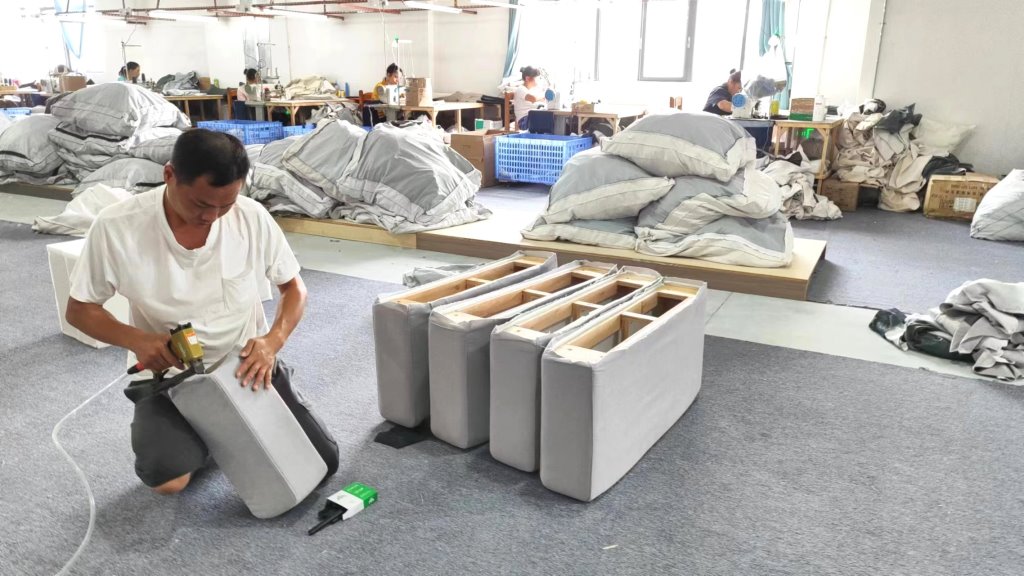
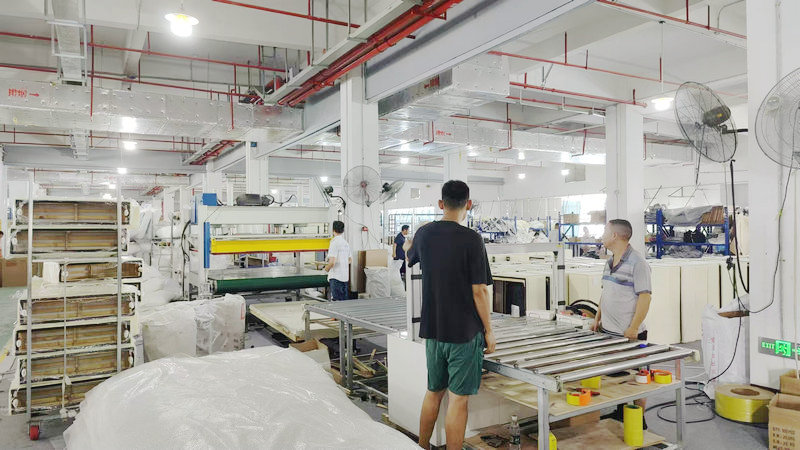
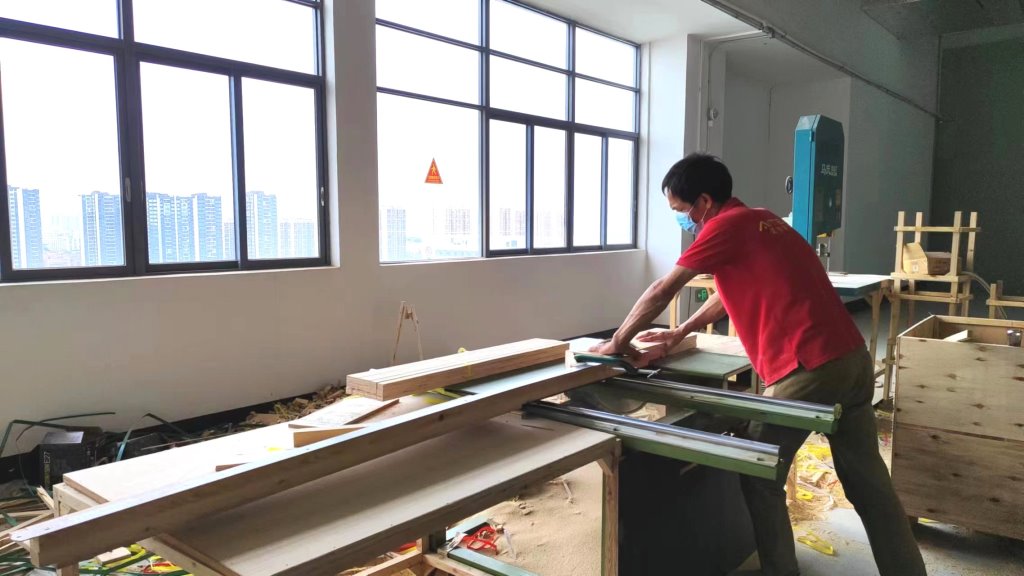
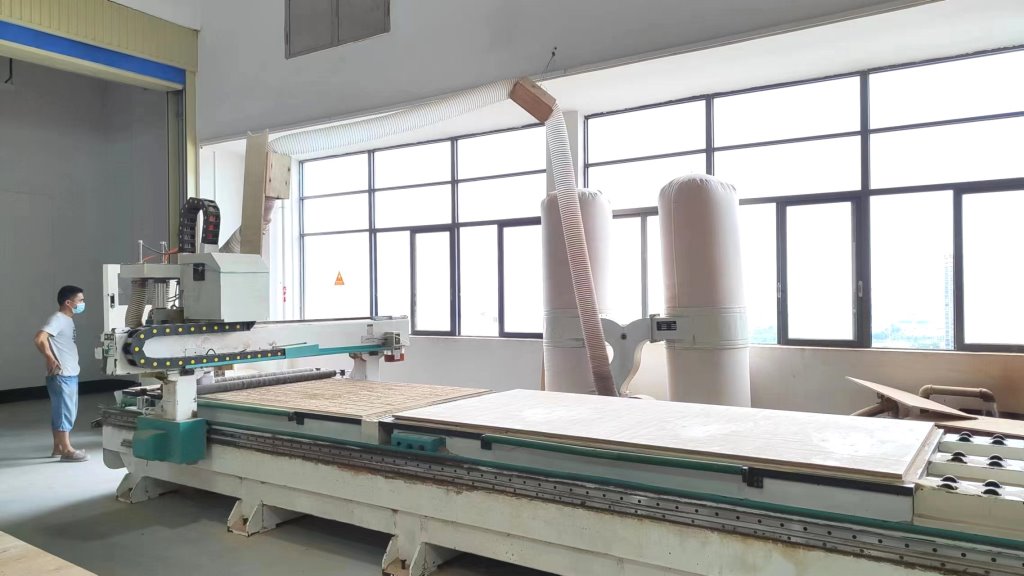
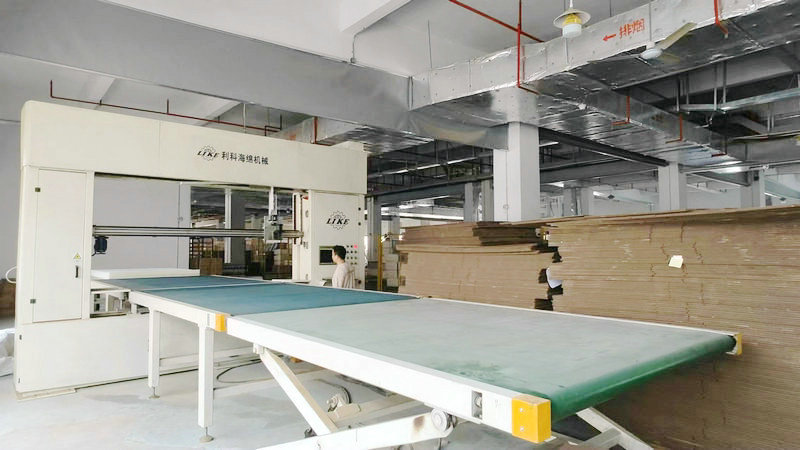
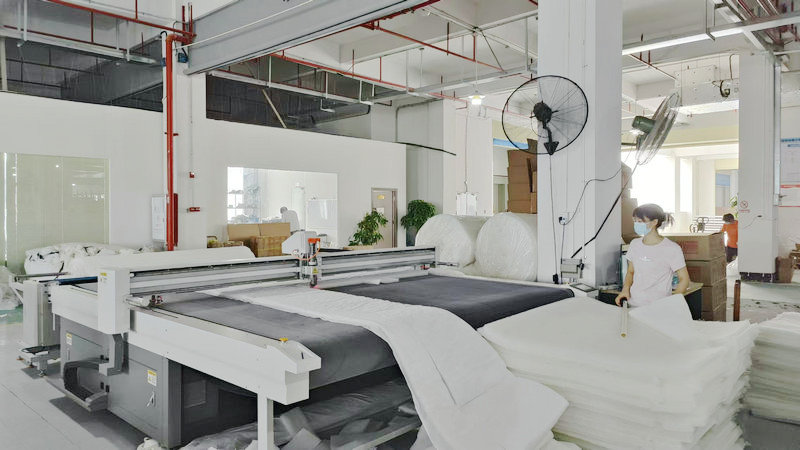
From an industrial perspective, manufacturers in key hubs like Guangdong, China, leverage advanced manufacturing machinery alongside premium artisan skills to meet the complex global demand. This combination allows factories to build game structures that are physically resilient, visually stunning, and compliant with mechanical safety protocols (EN 71, EN 14468).
A CE certified game table represents more than just a regulatory badge; it indicates thorough mechanical, chemical, and structural assessment. For sourcing agents, architects, and hospitality buyers, knowing the testing parameters of CE compliance provides the security necessary to protect business operations against compliance risk and safety liability.
Commercial-grade game tables are subject to extreme vertical and lateral forces. Under EN standards (such as EN 71 for recreational games and EN 14468 for functional sporting tables), the structural framework must pass rigorous anti-topple tests, impact tests, and load-bearing thresholds. This ensures the table will not collapse, tip over, or pinch players' fingers during high-intensity games.
Finishes, varnishes, synthetic felts, and composite woods utilized in premium tables are strictly tested for VOC emissions and heavy metal content. CE certification guarantees that all materials comply with REACH regulations and ROHS compliance limits, maintaining indoor air quality and ensuring safety for users of all ages.
Modern gaming tables often feature LED displays, automatic ball recovery lifters, score trackers, and dynamic sound systems. CE certification ensures all electrical systems comply with the Low Voltage Directive (LVD) and Electromagnetic Compatibility (EMC) regulations, protecting users from electrical hazards.
Structural profiles are engineered to avoid sharp edges and pinch points, maintaining safety across diverse customer groups.
Using E1 and E0 grade MDF, high-grade slate, professional wool blend felts, and heavy steel structures for lasting durability.
We perform multi-stage quality control checks throughout production, testing leveling accuracy and mechanical components prior to shipment.
Market data reveals a significant shift in corporate and residential interior design: the emergence of "multi-functional luxury." In urban residential markets, consumers are seeking dining-to-game convertible dining-billiards tables that optimize space while preserving home aesthetics. In corporate environments, companies invest in high-end game rooms to support employee engagement and return-to-office initiatives.
Furthermore, the growth of luxury hospitality venues has boosted demand for weather-proof outdoor game tables. Sourcing agents now expect tables to feature rust-resistant aluminum bases, waterproof synthetic felts, and UV-stabilized finishes that can withstand outdoor exposure. Recognizing these trends enables smart importers to update their inventories for high-margin segments.
Integrating convertible multi-game dining tables that blend with luxury home designs, providing versatile entertainment spaces.
Durable, heavy-duty foosball and table tennis systems built to handle high-frequency use in corporate offices and employee lounges.
Custom-branded billiard and card tables designed to complement hotel interior layouts, improving guest satisfaction scores.
Guangzhou Mingkei Furniture Co., Ltd. is a specialized manufacturer and export-oriented supplier focusing on the design, production, and global distribution of high-quality residential, commercial, and game-oriented furniture. Located in Guangzhou, Guangdong Province, China, and supported by the Pearl River Delta furniture manufacturing cluster, we provide comprehensive solutions for wholesalers, distributors, project contractors, e-commerce sellers, and home furnishing retailers worldwide.
Our mission is simple: To make furniture sourcing easier, more efficient, and more valuable for global customers. Our products are exported to more than 50 countries and regions, including the United States, Canada, Germany, France, Switzerland, Italy, the United Kingdom, the UAE, Saudi Arabia, Japan, and South Korea.
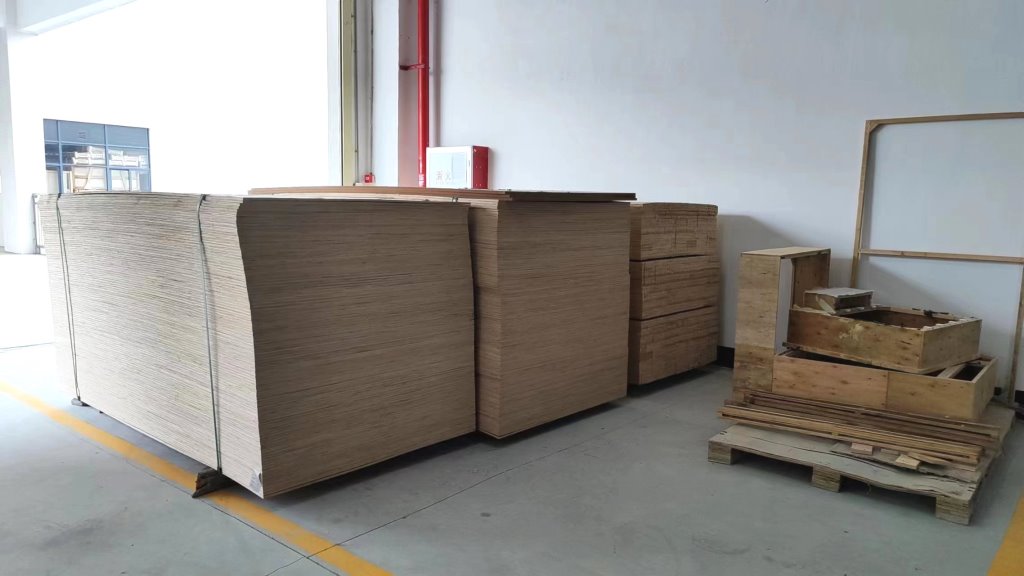
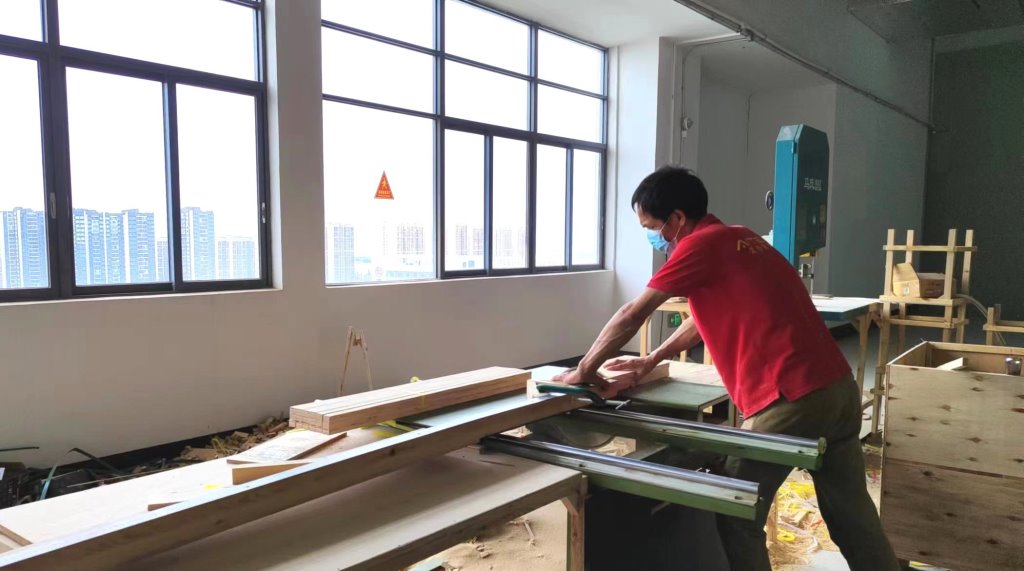
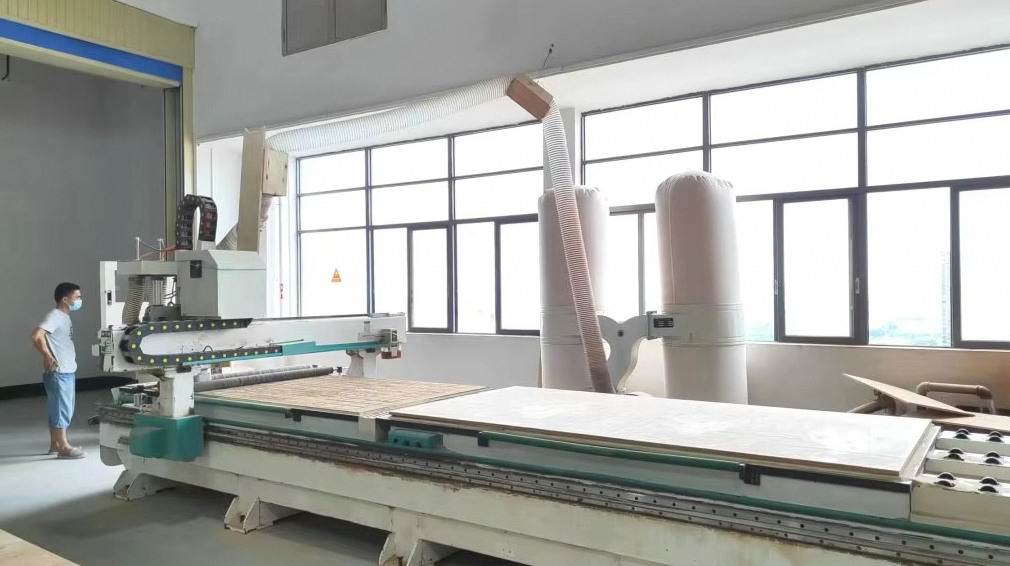
We manage every stage of production in-house, ensuring raw materials are transformed into durable, high-performance game tables.
The next decade of game table engineering will likely be defined by three central developments:
We are researching sensor arrays integrated into table borders to track game metrics automatically, broadcasting results directly to user mobile applications or local networks. These features will comply with CE electromagnetic guidelines, ensuring safe smart home integration.
In response to global demands for sustainability, we are transitioning toward bio-based resins and composite panels made from recycled wood fibers. This shift aims to reduce carbon emissions while maintaining structural stability and performance.
Using 3D rendering and CNC carving machinery, clients can design custom patterns directly onto game tables. This combines traditional craftsmanship with digital customization for bespoke B2B projects.
 Mingkei Furniture