In the contemporary architecture and spatial design paradigm, casual seating has evolved from simple auxiliary furniture into a critical vector for organizational efficiency, human-centric wellness, and brand communication. The demarcation between rigid work environments and relaxed personal spaces has dissolved, replaced by dynamic, hybrid ecosystems that prioritize fluidity, comfort, and ergonomic safety. As global developers, space specifiers, and hospitality conglomerates scale their footprints, the choice of a manufacturing partner is no longer just about procuring commodities; it is about establishing a highly resilient, engineered, and compliant supply chain.
At Guangzhou Mingkei Furniture Co., Ltd., based in the heart of China’s premier manufacturing cluster in Guangdong Province, we treat furniture design as an applied science. Modern casual seating—ranging from acoustic lounge sofas, custom modular lobby chairs, to executive breakout seats—must withstand intense usage while maintaining its aesthetic posture and mechanical integrity. Our engineering philosophy fuses structural durability with physiological support, helping clients unlock maximum utility and value from their physical spaces. By leveraging advanced material sciences, predictive production engineering, and localized regulatory compliance, we bridge the gap between design aspiration and manufacturing execution.
Strategically situated in Guangzhou, Guangdong Province, within the world's most concentrated furniture manufacturing cluster, Guangzhou Mingkei Furniture Co., Ltd. is a leading OEM/ODM contractor. We serve a sophisticated clientele of wholesalers, project specifiers, e-commerce brands, and global distributors across more than 50 countries, including the United States, Canada, Germany, Switzerland, the United Kingdom, Saudi Arabia, Japan, and Australia.
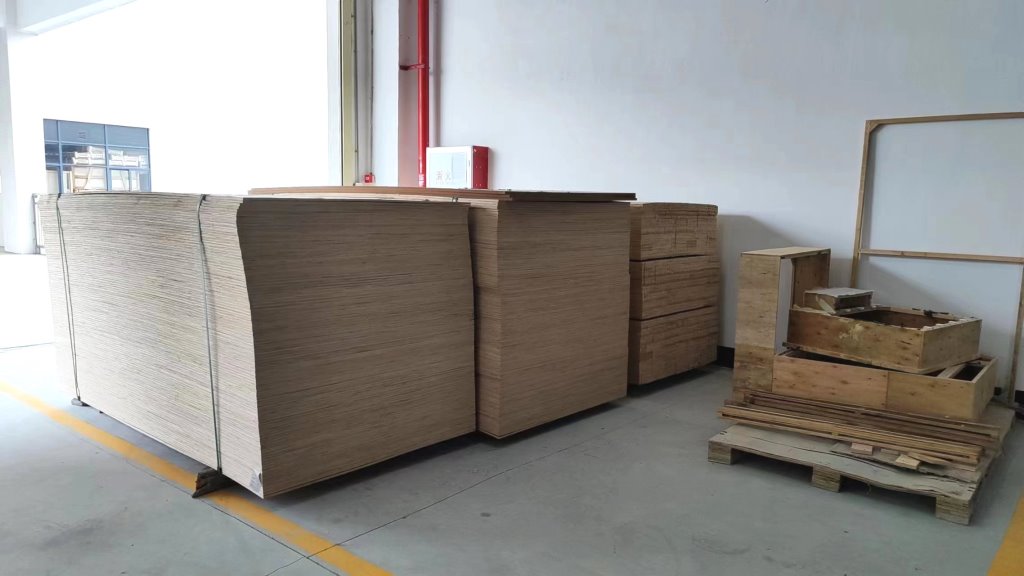
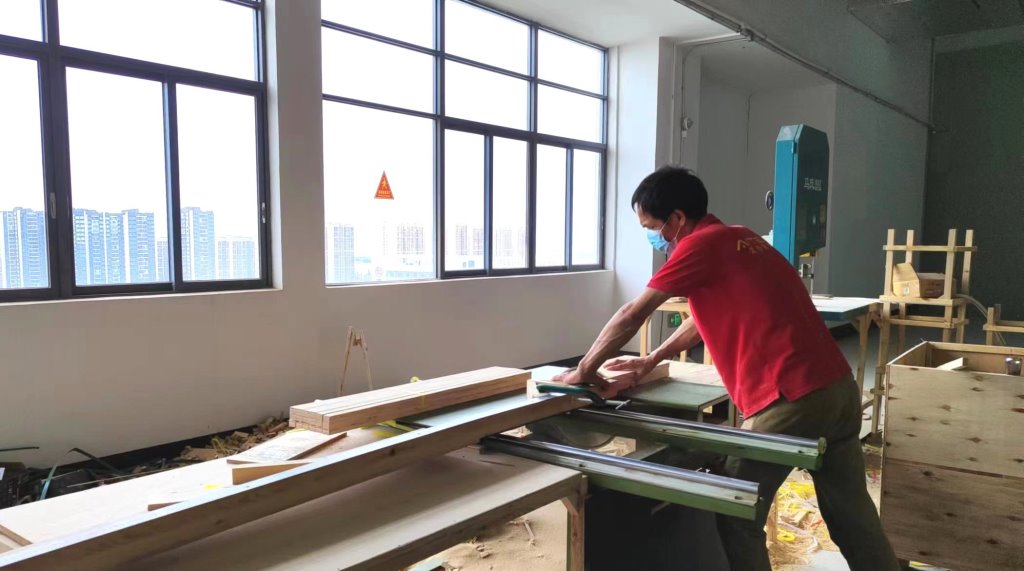
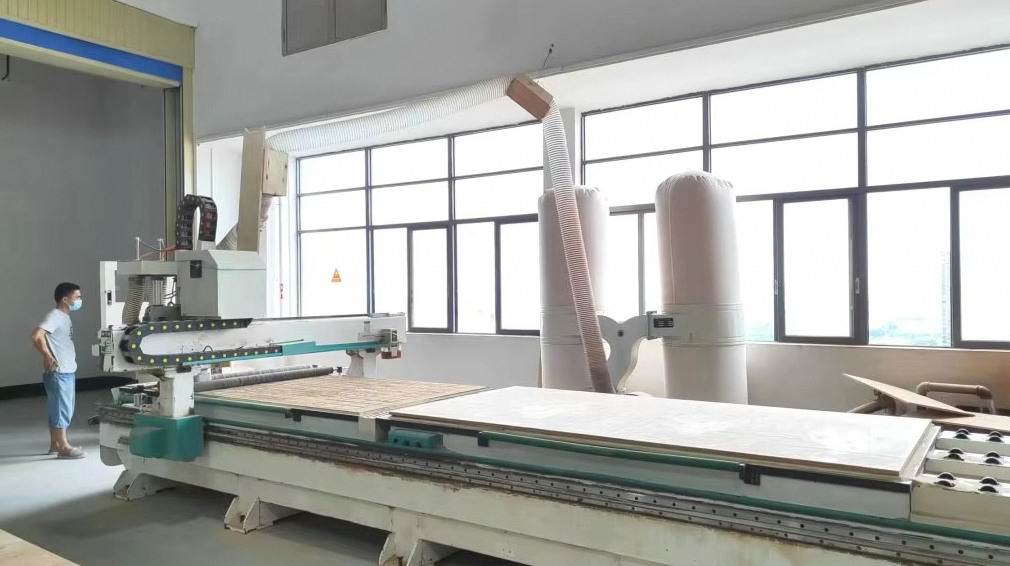
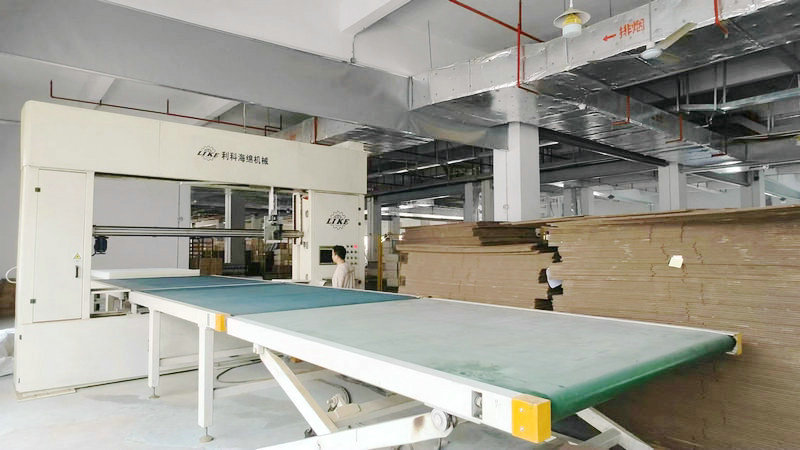
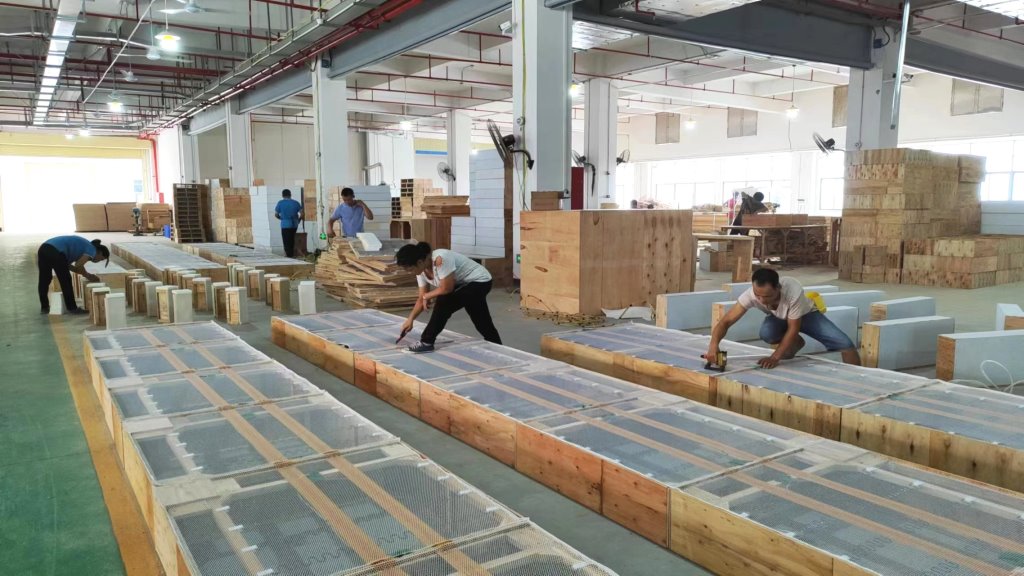
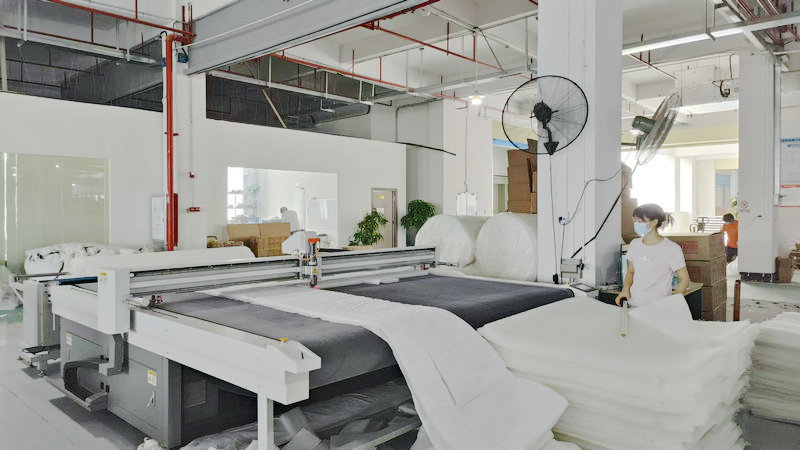
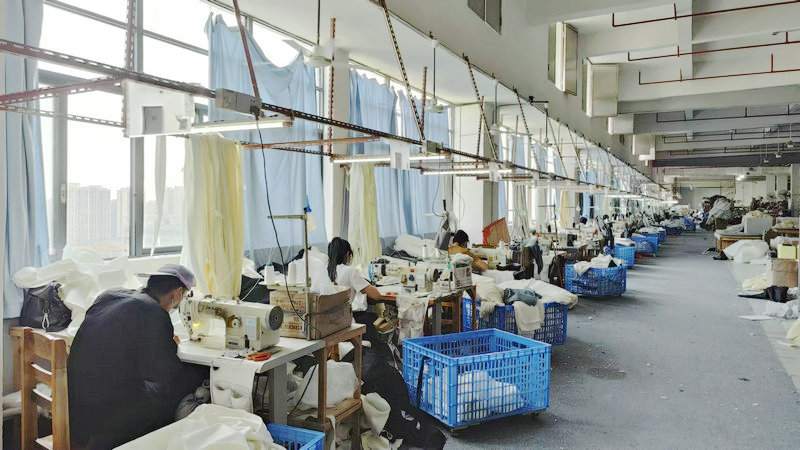
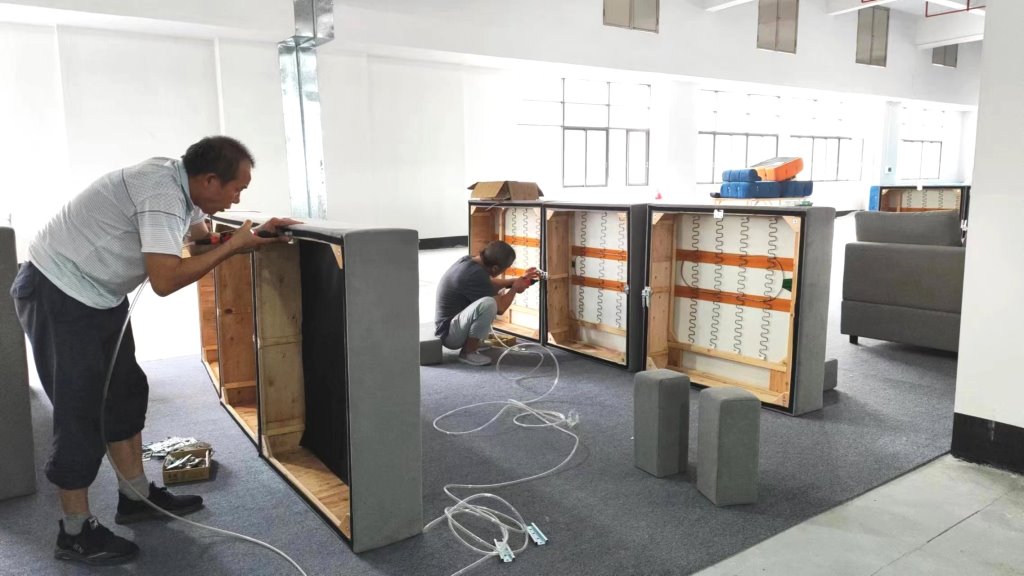
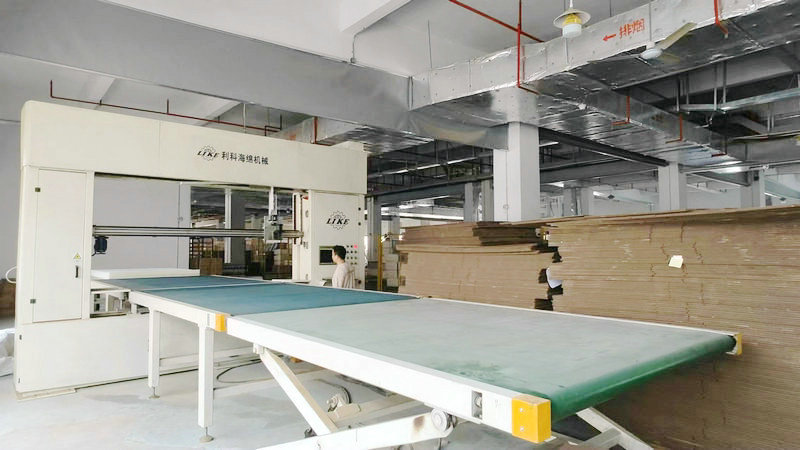
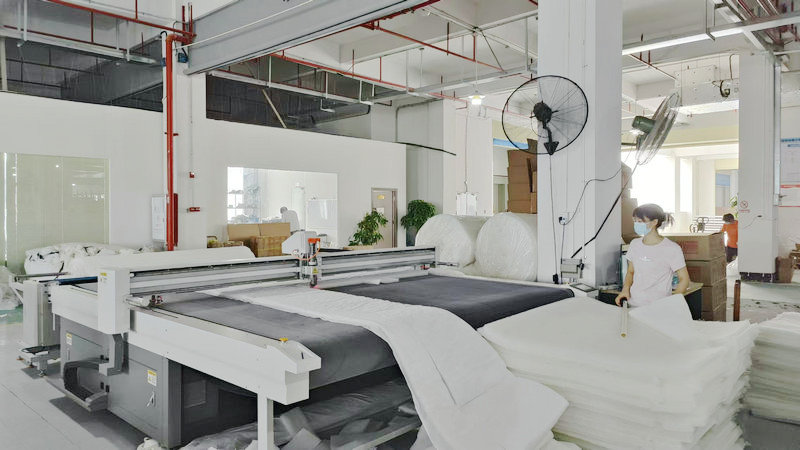
Our operational model integrates state-of-the-art automation (including CNC multi-axis wood routers, computerized high-precision fabric cutters, and custom upholstery lines) with artisanal craft validation. This hybrid methodology ensures that whether you order a bespoke high-back executive lobby lounge or container loads of modular residential casual chairs, every component exhibits identical tolerances and finish quality.
"To make high-performance furniture sourcing exceptionally transparent, predictable, and highly valuable for contract buyers worldwide by optimizing production technology, engineering standards, and logistical compliance."
Our manufacturing partners and raw material networks maintain certifications including ISO 9001 (Quality Management System), ISO 14001 (Environmental Standards), FSC (Forest Stewardship Council) chain-of-custody tracking for certified timber, and OEKO-TEX Standard 100 for non-toxic textiles.
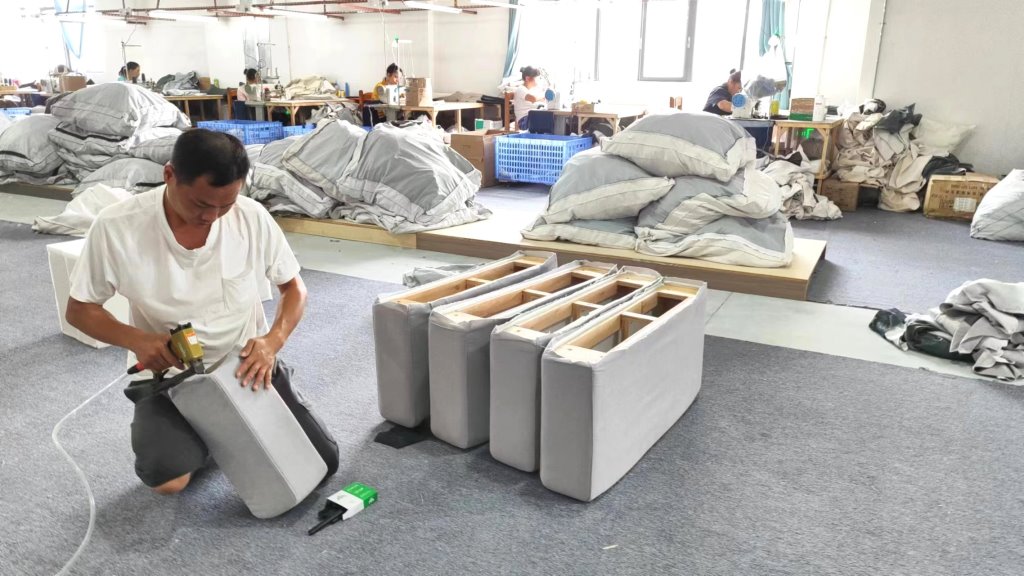
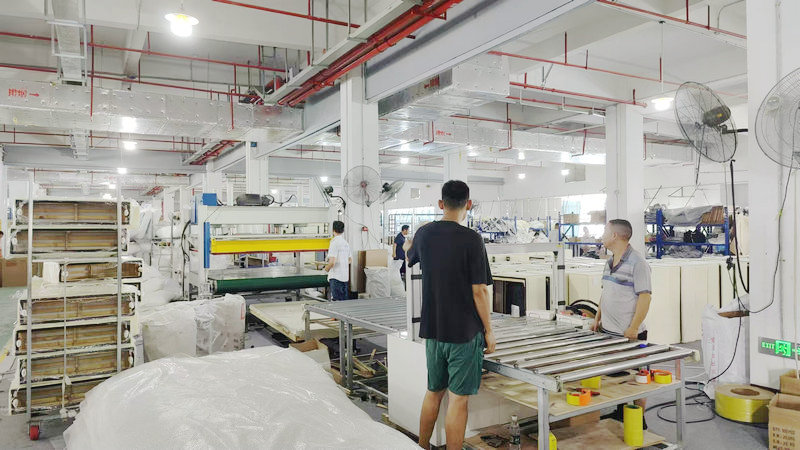
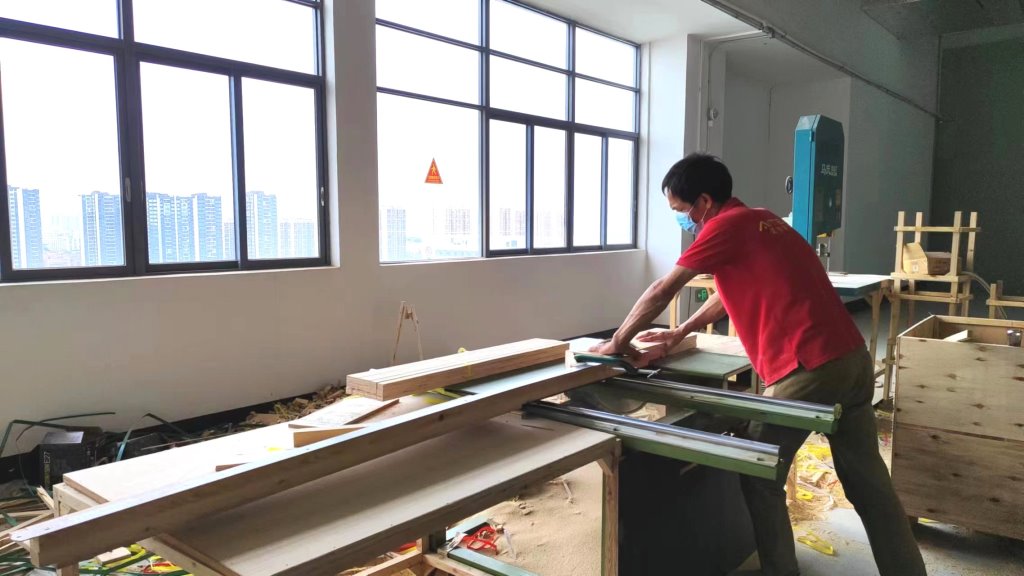
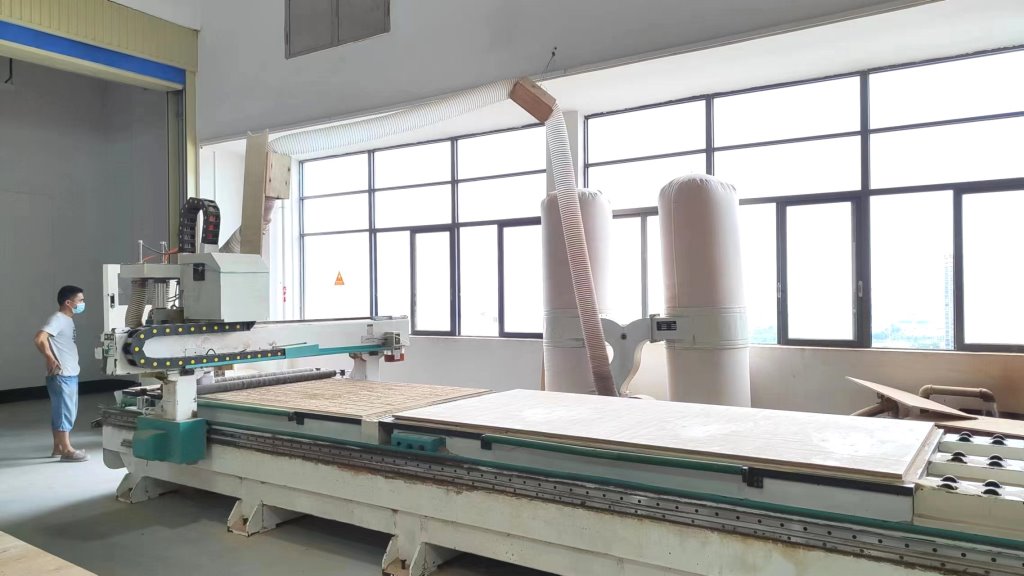
As corporate entities align their capital investments with strict Environmental, Social, and Governance (ESG) guidelines, the furniture industry faces pressure to transition away from carbon-intensive processes. Guangzhou Mingkei Furniture Co., Ltd. is committed to a technical roadmap focused on ecological compatibility and circular product lifecycles.
Our research and development team is actively replacing traditional petrochemical-based polyurethane foam with bio-based polyols derived from castor oil, soy, and agricultural residues. This swap reduces the carbon footprint of cushion manufacturing by up to 36% without compromising elasticity, tensile strength, or comfort. Furthermore, we are shifting our metal frame processing to post-consumer recycled steel and secondary aluminum alloys, which consume only 5% of the electrical energy required for primary refining. Our wooden components are exclusively sourced from sustainably managed plantations under FSC certification schemes, ensuring that forest ecosystems are preserved and replanted.
In addition, we are streamlining the transition from design to physical prototype through the use of 3D modeling and parametric design software. By sharing accurate Revit, CAD, and SketchUp models directly with global architects, we eliminate errors, reduce physical sample waste by 70%, and optimize container volume utilization during shipping.
 Mingkei Furniture