Explore high-traffic contract dining solutions, bespoke luxury accents, and modular configurations built to withstand complex global supply chain deployments.
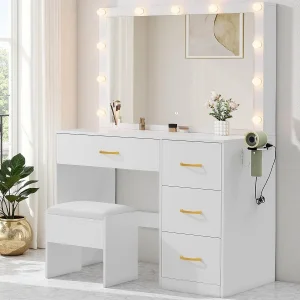

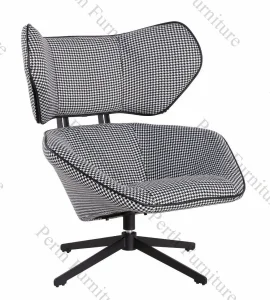
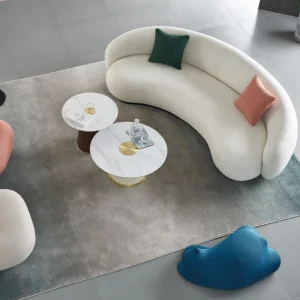
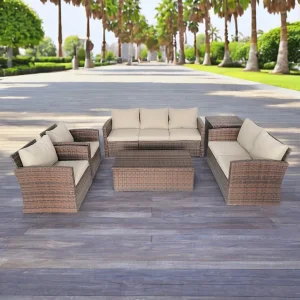
In the contemporary B2B procurement environment, sourcing high-quality dining tables is no longer merely a transaction of design and material. Rather, it is a strategic balancing act involving supply chain resilience, material science compliance, structural integrity testing, and macroeconomic factors such as import duties and localization support. Procurement managers representing global hospitality chains, furniture wholesale businesses, and premium residential design groups must drill down into factory details to secure long-term value, brand trust, and customer satisfaction.
Dining tables serve as structural and visual centerpieces in residential properties, commercial offices, and high-traffic hospitality environments. Consequently, selecting the appropriate manufacturing partner demands a complete understanding of how regional raw materials, production line precision, and export certifications interface with international market demands. This white paper highlights critical criteria for evaluating top-tier manufacturing hubs and addresses the technological developments shaping the future of global furniture fabrication.
Effective sourcing is powered by data transparency. Evaluating factories on criteria such as the equilibrium moisture content (EMC) of lumber, multi-axis CNC tolerance levels, and VOC emission certification schemes ensures that downstream distribution networks avoid costly structural product failures or customs delays.
Strategically located in Guangzhou, Guangdong Province, China, Mingkei Furniture serves as an industry archetype for export-oriented furniture fabrication within the Pearl River Delta industrial cluster.
By positioning its headquarters in the heart of the Guangdong furniture cluster, Mingkei leverages immediate access to raw lumber suppliers, hardware fabrication facilities, and global shipping ports such as Nansha, Yantian, and Shekou. This spatial proximity drastically reduces procurement lead times and logistics overheads.
Exporting to more than 50 countries and regions, including North America (US, Canada), Europe (Germany, France, UK, Italy, Switzerland), the Middle East (Saudi Arabia, UAE, Kuwait), and Asia-Pacific (Australia, Japan, South Korea, Southeast Asian markets), Mingkei conforms to varying regional product compliance standards.
From custom CAD modeling to raw material moisture testing, Mingkei offers comprehensive OEM & ODM services with flexible Minimum Order Quantities (MOQs). Selected products comply with international certifications including CE, RoHS, and UL, fulfilling stringent import requirements for high-profile commercial projects.
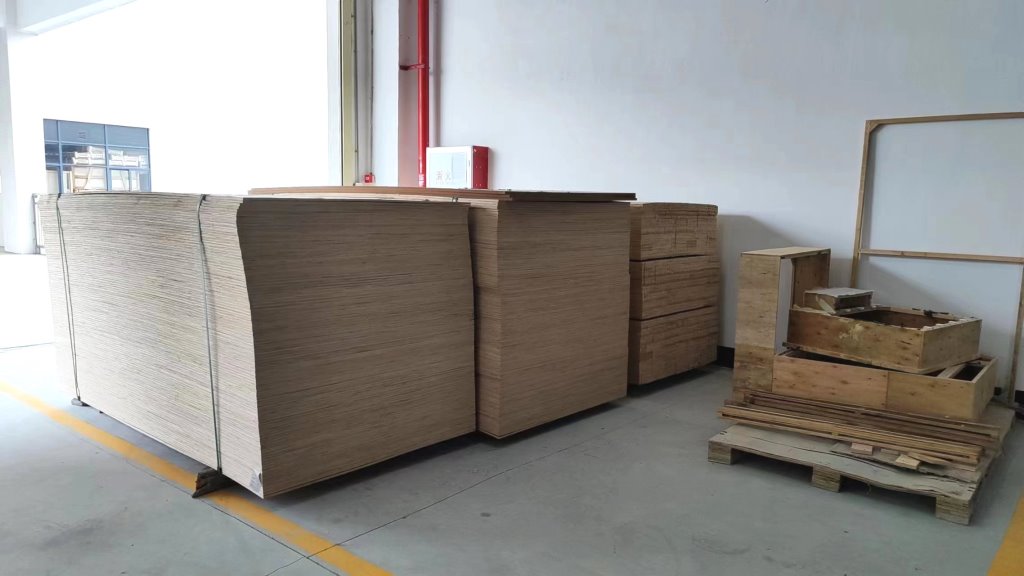
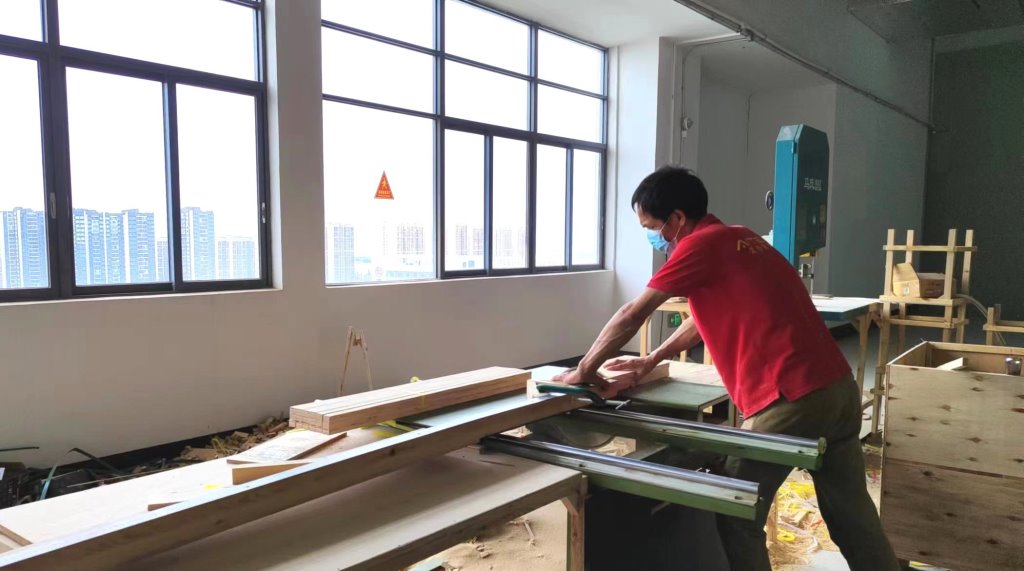
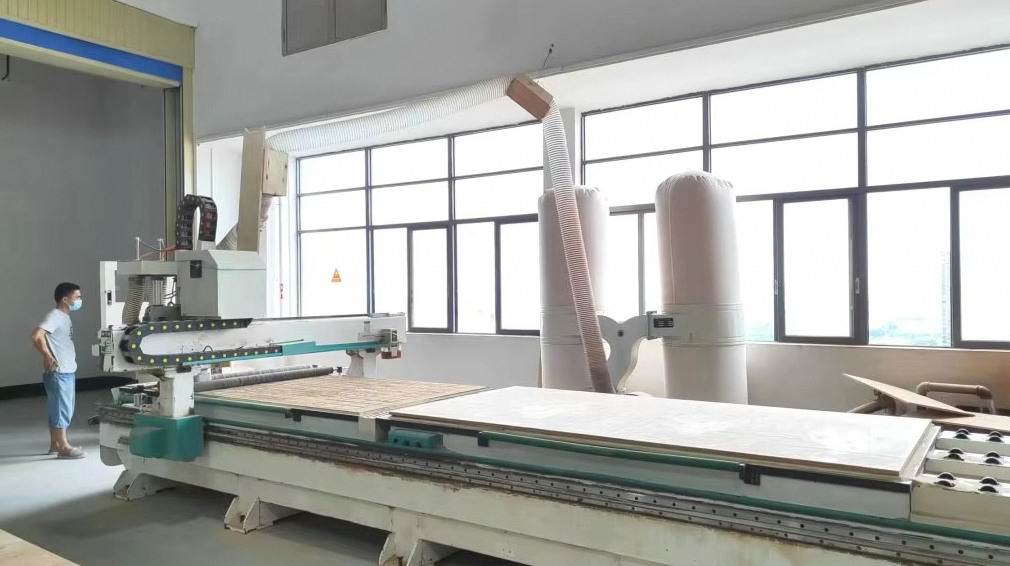
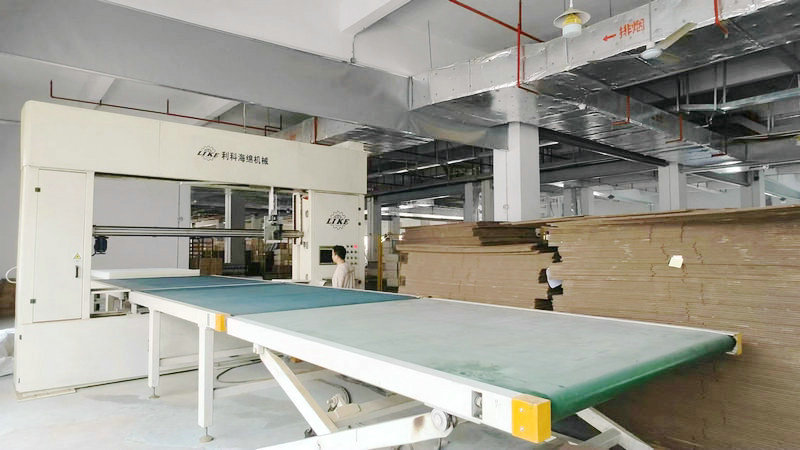
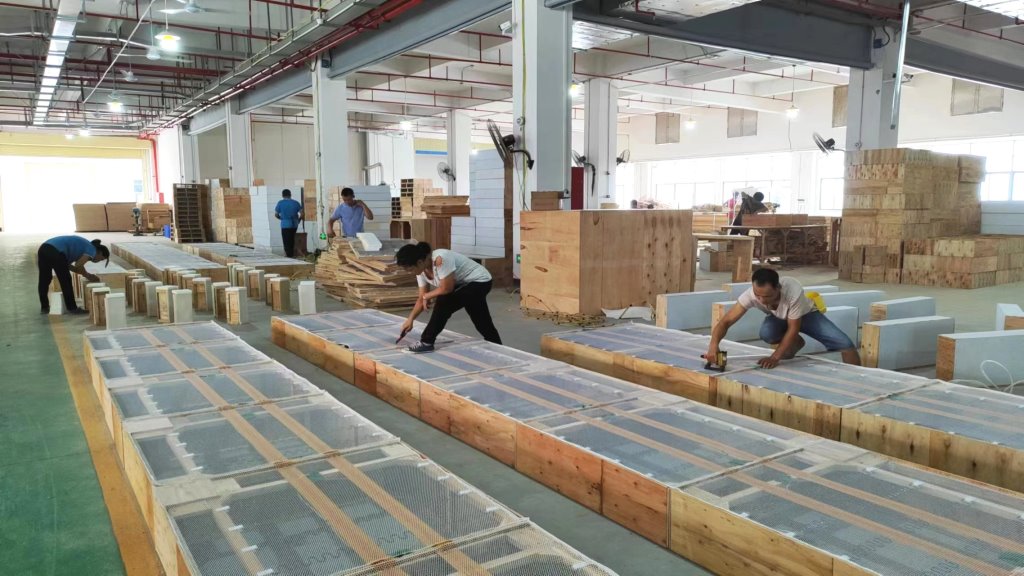
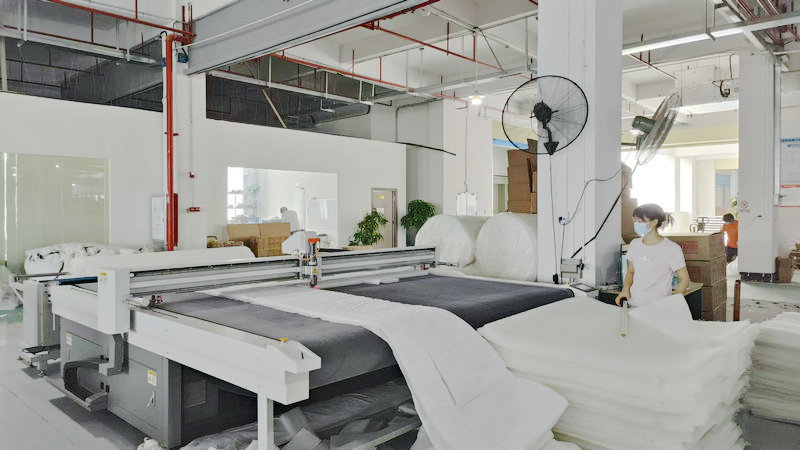
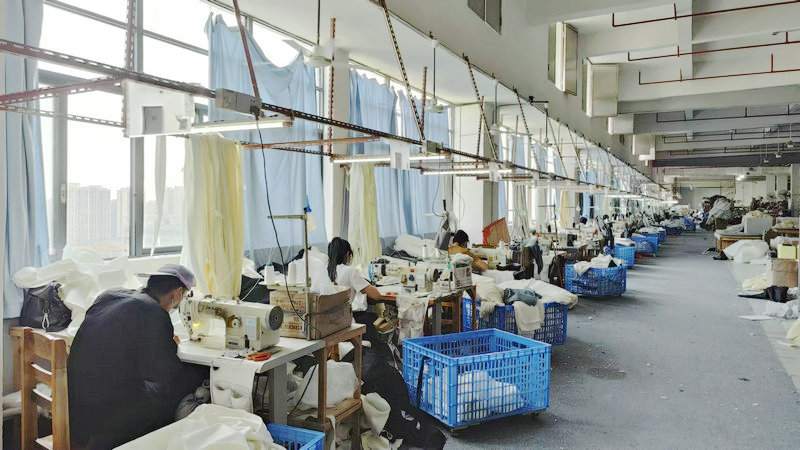
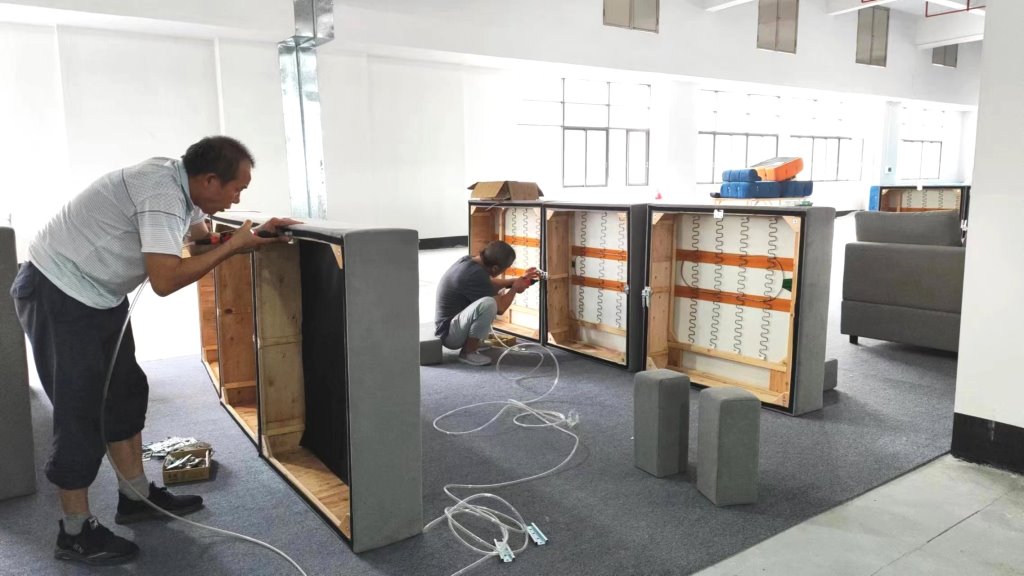
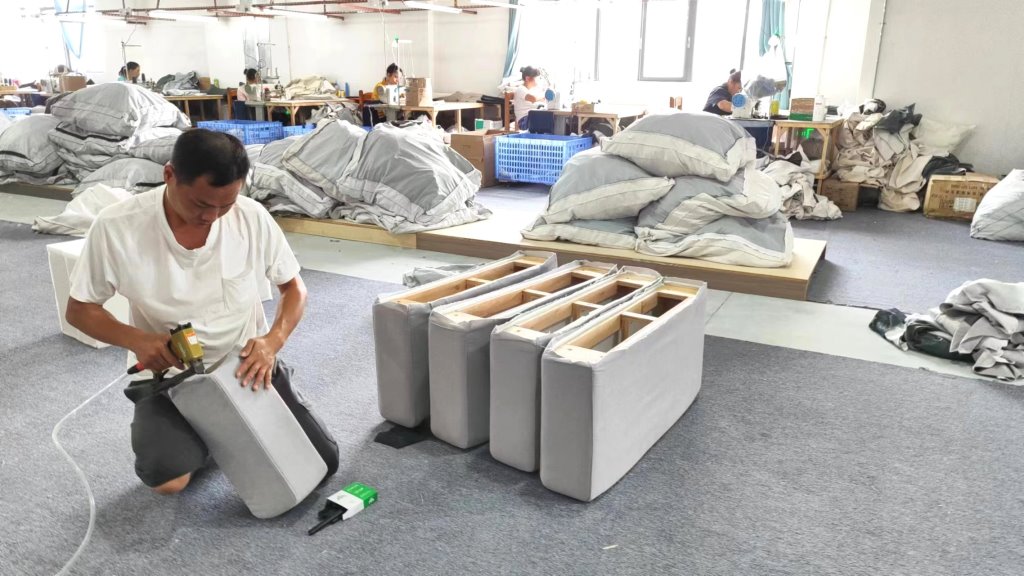
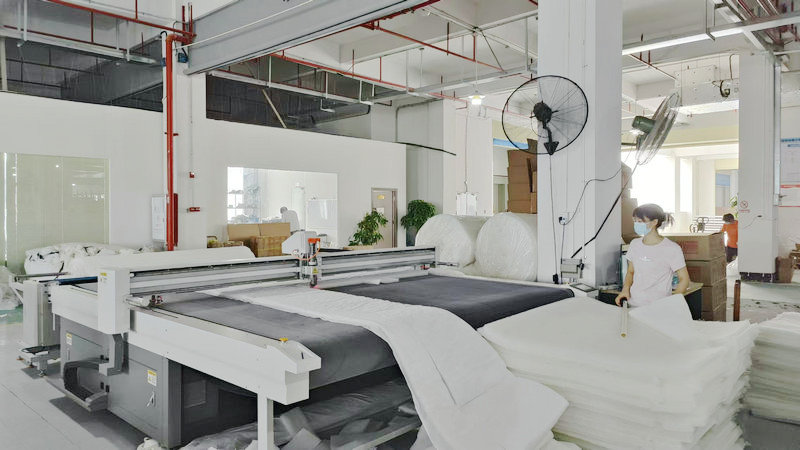
Modern manufacturing combines classical craftsmanship with automated technologies. Guangzhou Mingkei Furniture Co., Ltd. incorporates precision equipment at every stage, maintaining structural longevity and consistent dimensional tolerances.
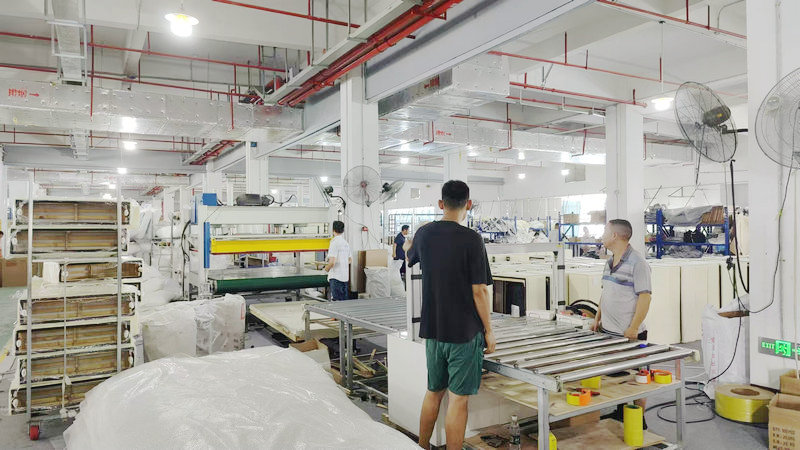
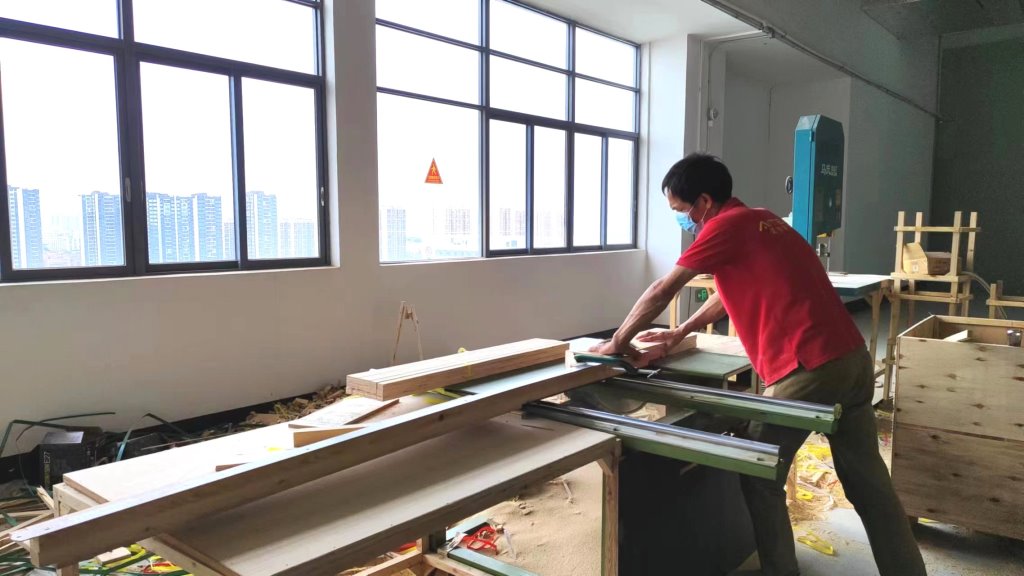
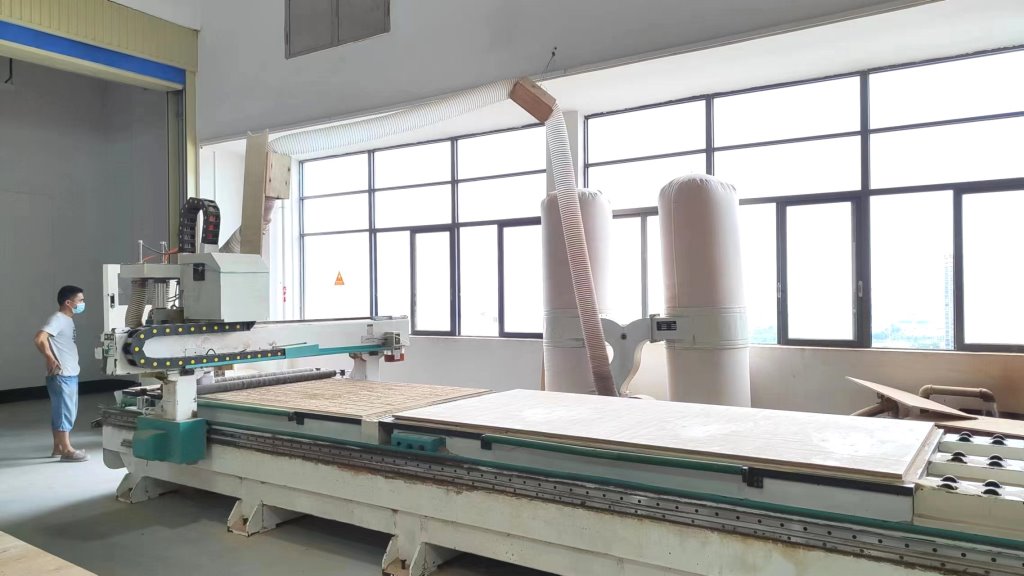
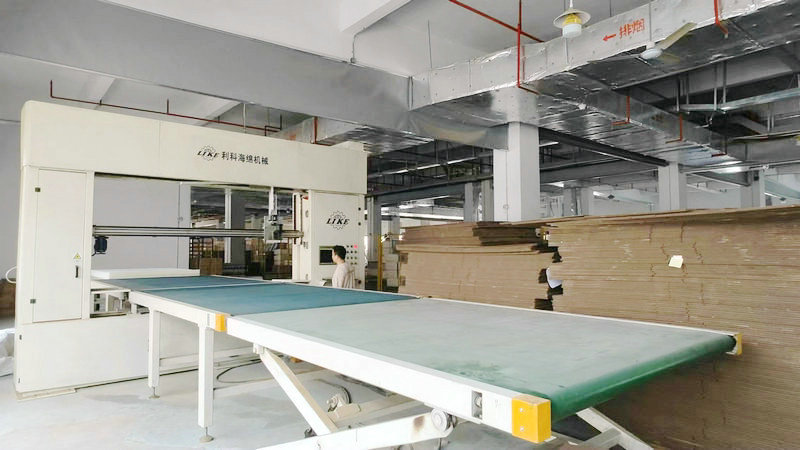
The global furniture manufacturing industry is undergoing a digital and material science transformation. As B2B buyers look ahead to the next decade, several key innovations will dictate competitiveness, longevity, and sustainability in dining table development.
Tomorrow's commercial and residential dining tables are no longer passive wooden slabs. Leading-edge manufacturers are integrating hidden qi-wireless charging coils beneath wood veneers and ceramic tabletops, allowing users to charge devices without visible cable clutter. Additionally, thermal zones with embedded warming elements are being introduced for upscale buffet and hospitality applications, maintaining optimal food serving temperatures directly on the table surface.
Traditional marble and granite tables are increasingly replaced by sintered stone (porcelain slab) materials. Sintered stone, formed under extreme pressure and heat exceeding 1200°C, offers unmatched resistance to thermal shock, scratching, staining, and UV degradation. For B2B buyers, this yields a durable surface requiring zero maintenance, ideal for high-traffic dining halls, restaurants, and outdoor residential spaces.
International environmental regulations are shifting away from traditional solvent-based varnishes. Forward-thinking suppliers are adopting water-based polyurethane sealants, UV-cured coatings, and natural plant-based oils. These alternatives reduce Volatile Organic Compound (VOC) emissions, complying with strict certifications such as GREENGUARD Gold, CARB Phase 2, and EPA TSCA Title VI.
A single manufacturing approach does not fit all distribution channels. Commercial procurement demands varied engineering standards depending on final placement and use case.
For high-traffic operations, structural strength is critical. Key requirements include:
E-commerce retailers and regional furniture brands prioritize design flexibility and logistic optimization. Key parameters include:
Modern workspaces demand multipurpose solutions that bridge the gap between collaboration and dining. Sourcing criteria include:
Sourcing dining tables internationally requires navigating complex legal, environmental, and financial frameworks. Leading suppliers go beyond basic manufacturing to act as global trade facilitators, helping buyers secure their supply chain and protect against regulatory risk.
A reputable supplier must guarantee that all shipments comply with regional requirements. Essential standards include:
Furthermore, reliable suppliers offer customs optimization support, assisting with Harmonized System (HS) code classification to prevent costly tariff disputes. Sourcing teams should look for partners that offer DDP (Delivered Duty Paid) shipping solutions or maintain local distribution hubs in Western Europe and North America to buffer shipping lead times.
When vetting candidates for the top 10 positions in dining table manufacturing, procurement professionals should score potential partners based on a strict matrix of capability indicators.
Does the factory operate its own kiln drying facilities? Controlling wood moisture content down to 8%–12% is critical to prevent post-shipment wood warping or cracking in dry, heated, or air-conditioned destination climates.
Verify the presence of industrial multi-axis CNC machines and automated edge-banding systems. Precision manufacturing ensures that modular and knock-down components fit together flawlessly during assembly, avoiding costly field adjustments.
For custom hospitality developments, standard lead times of 30 days for mockups are no longer competitive. Industry leaders deploy in-house CAD and 3D printing teams to generate functional prototypes within 7 to 10 days.
Get immediate answers to common technical and logistical questions faced by B2B buyers sourcing dining tables from overseas factories.
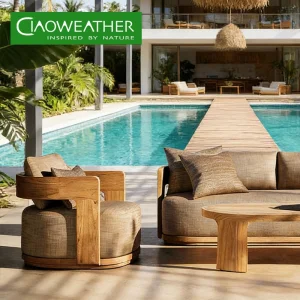
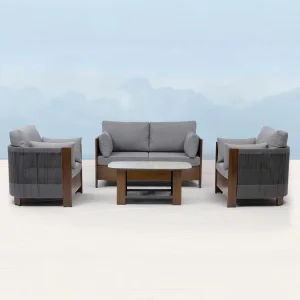
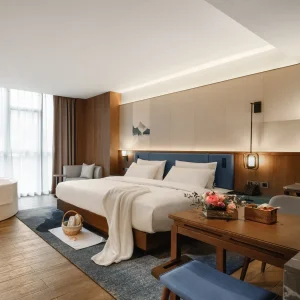
Discover our complete range of outdoor hospitality seating, contract dining sets, and modern casegoods designed for heavy commercial and residential use.
 Mingkei Furniture