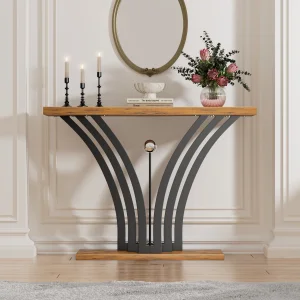
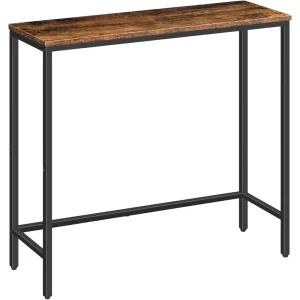
Premium space-saving entryway furniture designs engineered to fit the unique dimensions and aesthetic requirements of Japanese residential Genkan spaces.
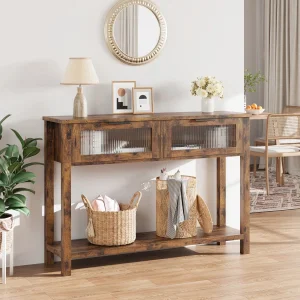
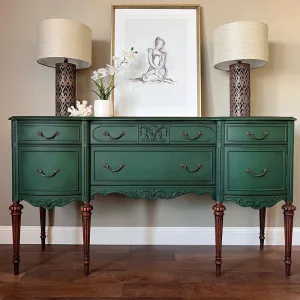
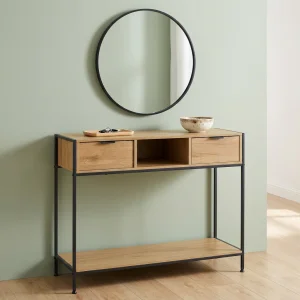
In Japanese residential architecture, the entryway—historically known as the "Genkan" (玄関)—serves as the critical threshold where the public sphere transitions into the private home. Beyond its functional role as a space to remove shoes, the Genkan carries deep cultural weight. It represents the "face" of the home, shaping a guest's first impression. Consequently, entryway and hallway furniture designed for Japan must align perfectly with local customs, prioritizing immaculate cleanliness, clutter-free aesthetics, and space efficiency.
Japan’s urban density, particularly in metropolitan centers like Tokyo, Yokohama, Osaka, and Nagoya, dictates that living spaces are exceptionally compact. The average size of a metropolitan apartment (often categorized as 1R, 1K, or 1DK) leaves very little room for sprawling furniture. Entryway furniture must therefore prioritize a shallow depth footprint—typically under 30 centimeters—without sacrificing vertical storage capacity. The demand for smart "Getabako" (shoe storage cabinets) that hide clutter behind sleek, clean panels is at an all-time high, driven by the modern consumer’s preference for minimalist or "Japandi" (Japanese-Scandinavian fusion) interior design styles.
Exporting residential furniture to Japan requires adherence to some of the world's most stringent quality control and environmental health regulations. As a premier manufacturer, Guangzhou Mingkei Furniture Co., Ltd. has developed a comprehensive technical roadmap tailored specifically for compliance with the Japanese market:
Japan's Ministry of Land, Infrastructure, Transport and Tourism (MLIT) enforces the Building Standard Law, which strictly regulates formaldehyde emissions from building materials and furniture components. The F★★★★ (F-Four Star) standard is the highest tier of compliance, requiring formaldehyde emission levels to be equal to or less than 0.3 mg/L. Our production lines use only premium, certified low-emission MDF, particle boards, and plywood matching this standard, ensuring the safest indoor air quality for Japanese households.
Given Japan's vulnerability to seismic activity, structural stability is non-negotiable. Free-standing entryway units, tall shoe storage cabinets, and console tables must be engineered to prevent tipping during earthquakes. We include heavy-duty anti-topple hardware (Taishin-kanagu) with every export shipment. We also design furniture structures with a low center of gravity and provide anti-slip base pads to protect residents and ensure passageways remain clear during emergencies.
Japan experiences extreme seasonal humidity changes, from the damp rainy season (Tsuyu) to dry winters. Entryway furniture is especially vulnerable to warp and paint cracking due to its proximity to front doors. We implement multi-layered polyurethane finishes and vacuum-sealed veneer wrapping. These techniques seal core materials from ambient moisture, preventing delamination and wood warping over years of use.
We do not simply manufacture furniture; we provide comprehensive commercial solutions for our business partners across the Japanese archipelago. Our B2B partnership programs are designed to address the operational and logistical pain points of importers and project contractors:
We offer reliable high-volume production runs with absolute consistency. Our QA/QC framework guarantees that every unit in a 1,000-piece production run matches the gold standard of the initial sign-off sample. This high level of consistency minimizes customer returns and complaints, protecting the reputation of your retail brand.
We provide comprehensive OEM and ODM customization services. From minimalist, wall-mounted console shelves for business hotels in Tokyo to luxury, hand-carved solid wood credenzas for upscale Ryokans in Kyoto, our design and engineering departments work directly from architectural blueprints to fabricate furniture tailored to specific spatial dimensions and thematic requirements.
In Japan, domestic last-mile delivery rates are highly dependent on carton volume. We design our KD (Knock-Down) furniture packaging to fit within the standard size brackets of major Japanese logistics providers like Yamato Transport, Sagawa Express, and Japan Post. Compact flat packaging reduces domestic shipping costs for e-commerce sellers and keeps warehouse storage rates minimal.
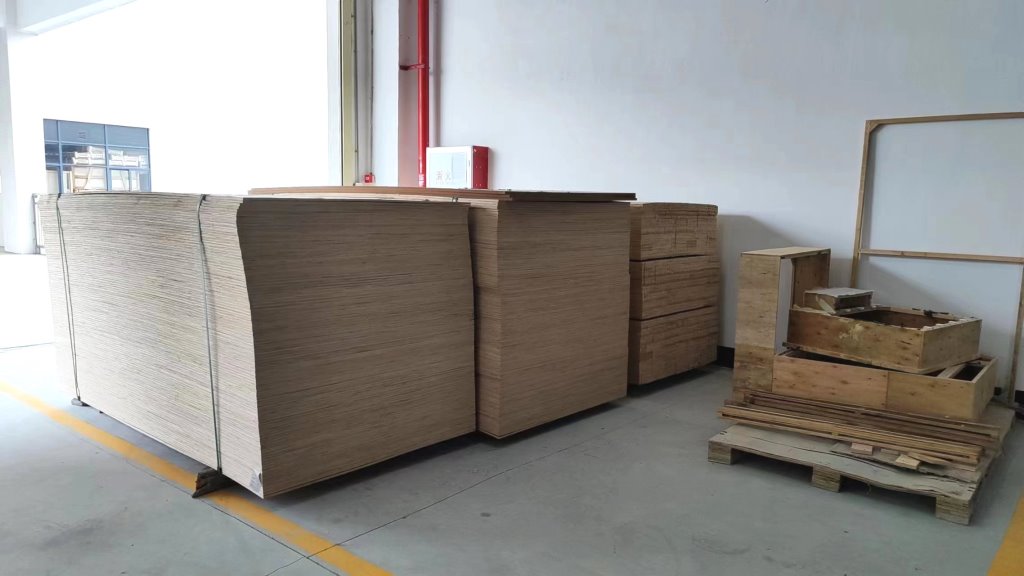
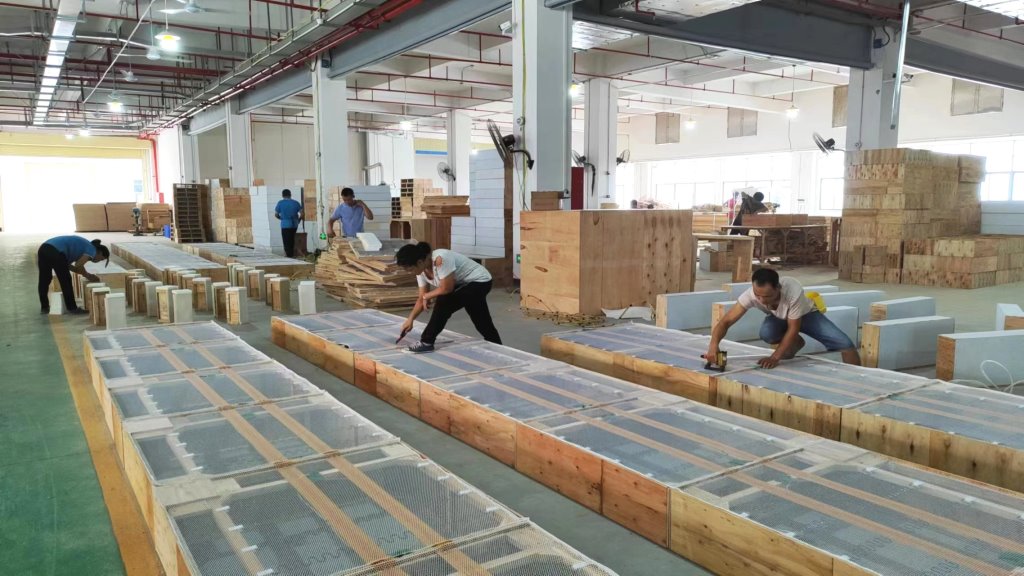
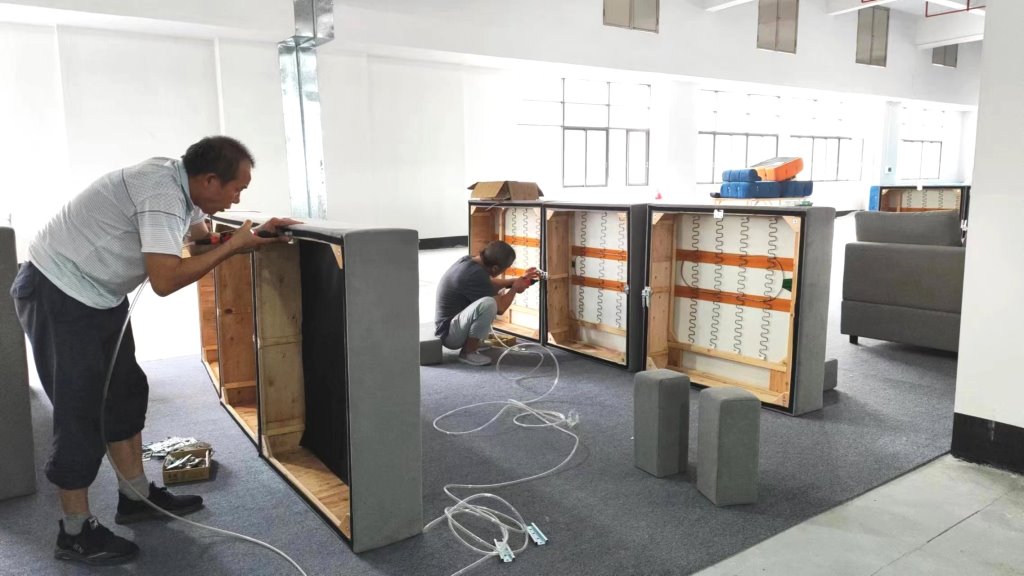
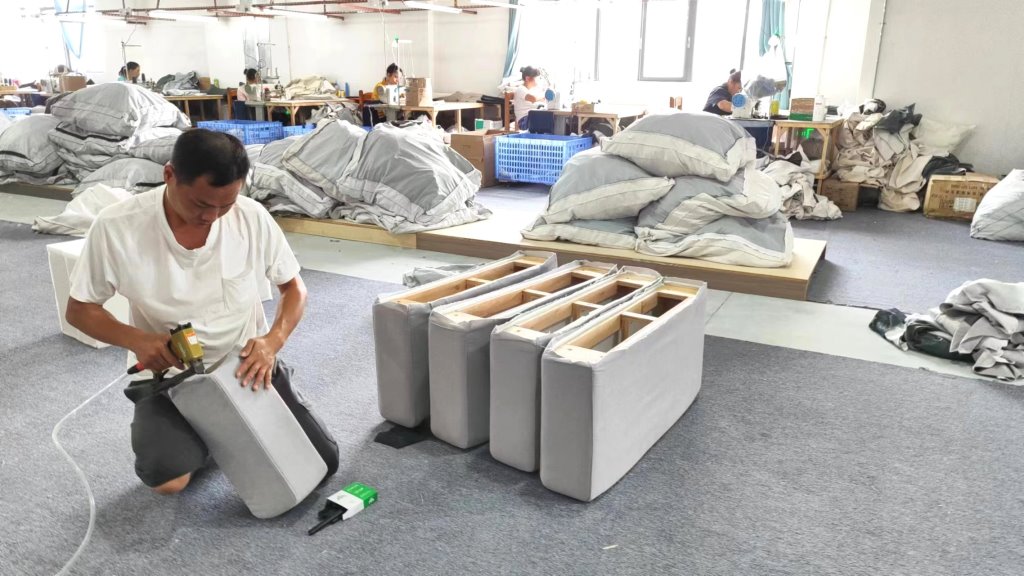
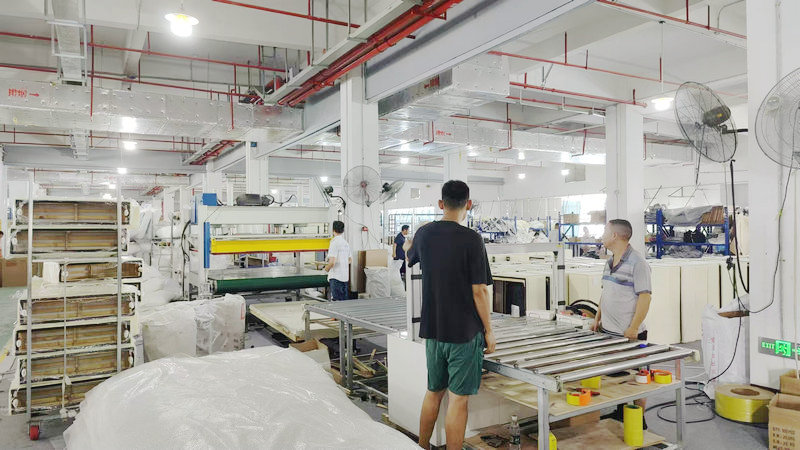
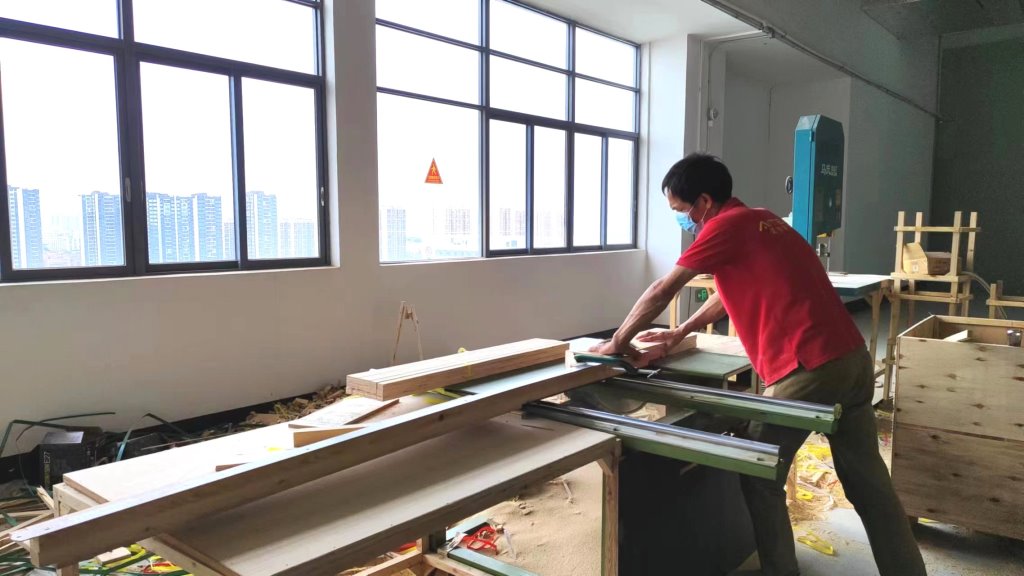
Located in the heart of the Pearl River Delta furniture manufacturing cluster in Guangzhou, Guangdong Province, China, Guangzhou Mingkei Furniture Co., Ltd. leverages a highly advanced industrial network to deliver superior manufacturing efficiency. Our production facilities operate under a modern manufacturing model, combining automated precision with skilled artisan craftsmanship.
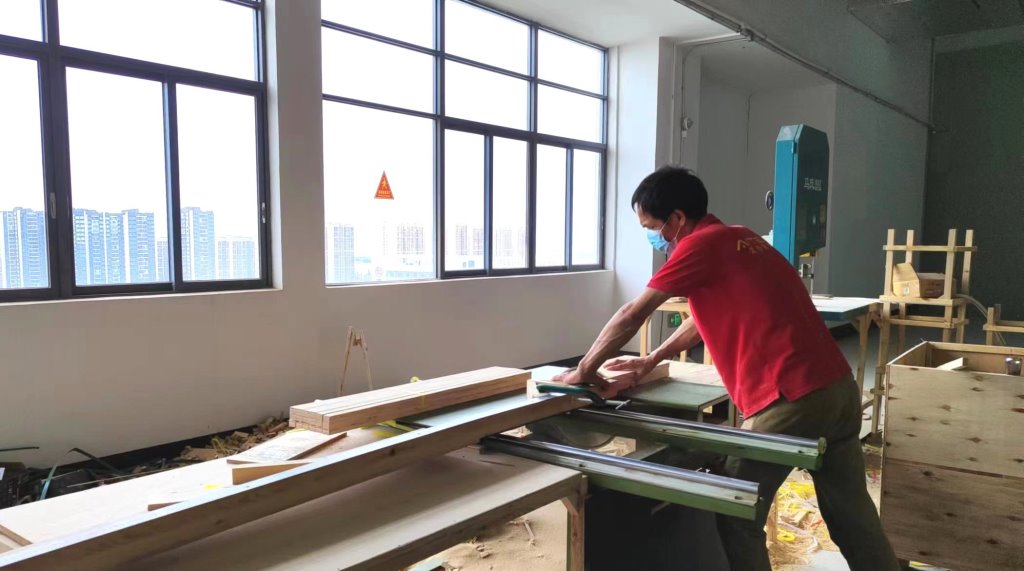
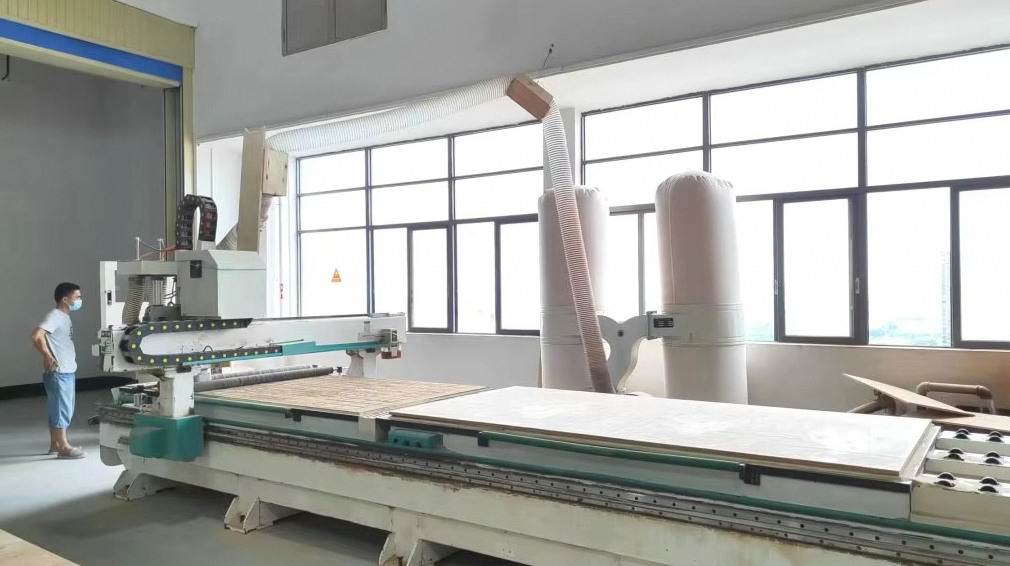
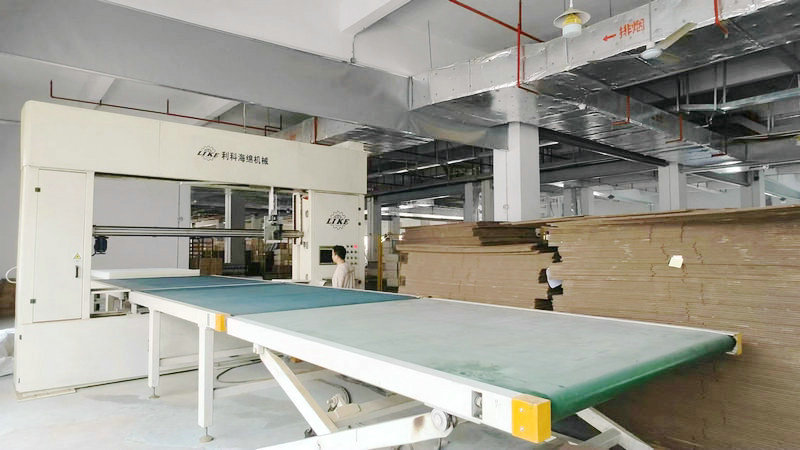
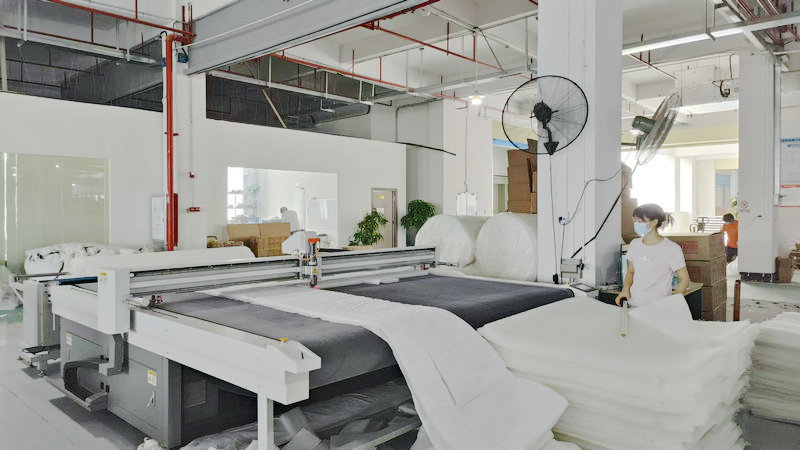
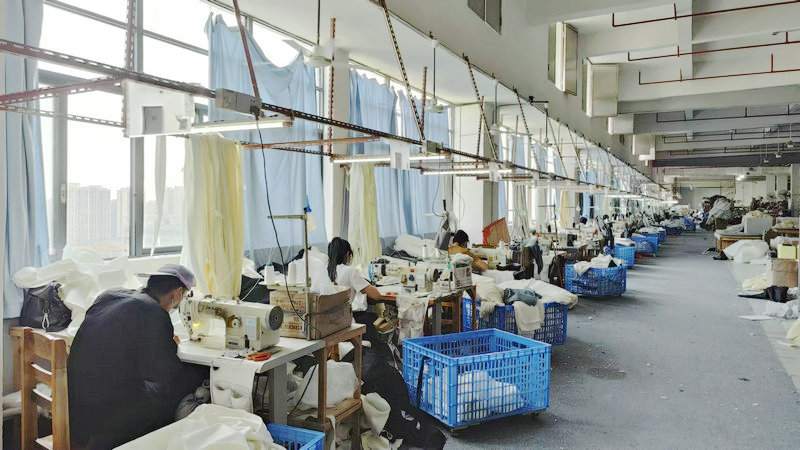
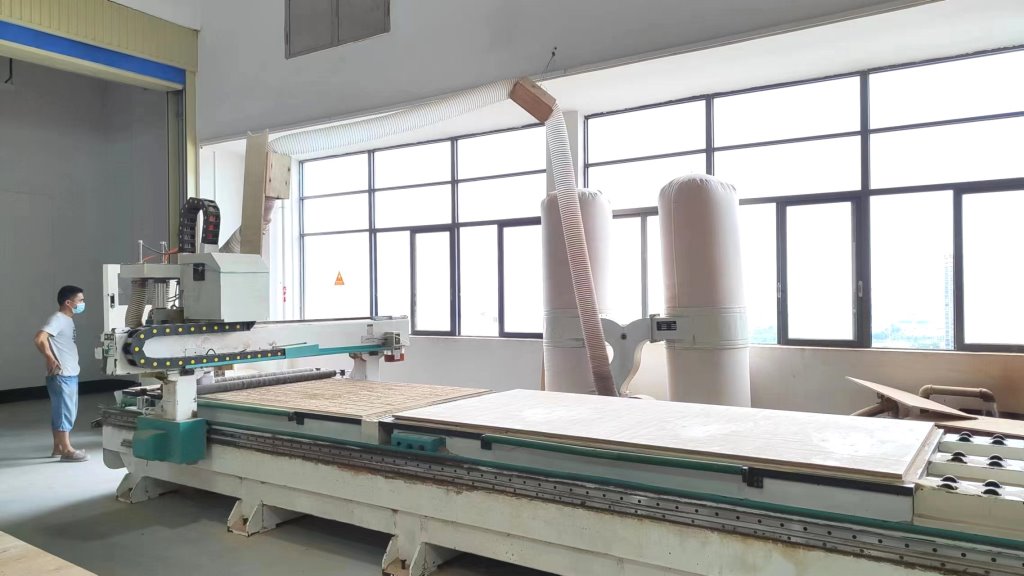
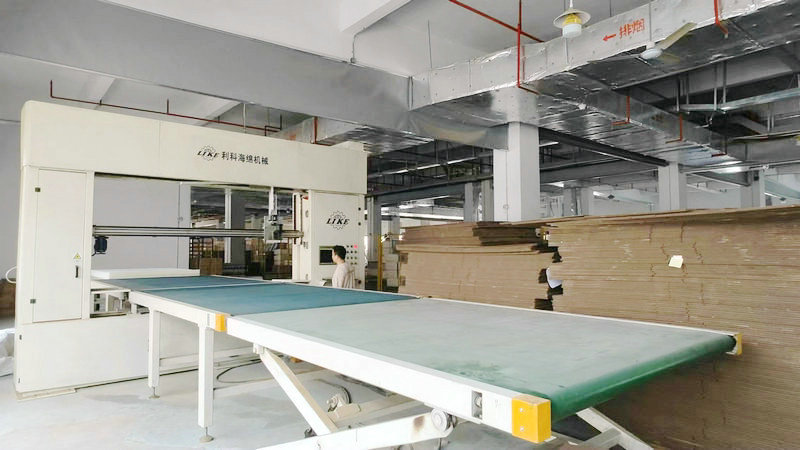
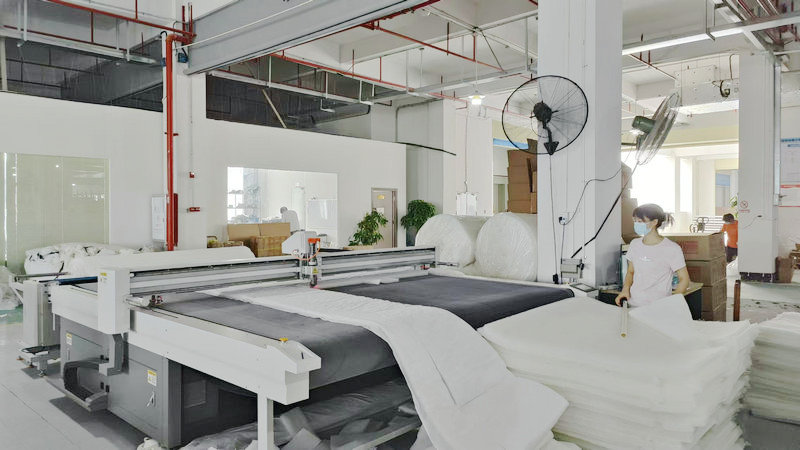
Our production pipeline integrates state-of-the-art machinery, including CNC engraving systems, precision slide sawing tables, and automated fabric cutting machines. This advanced equipment minimizes material waste and achieves dimensional tolerances within fractions of a millimeter. By optimizing raw material sourcing, automated machining, and manual upholstery assembly, we offer highly competitive pricing without compromising on the high-quality finishes expected by Japanese consumers.
Explore our transparent, step-by-step production line, where precision engineering meets meticulous quality control at every stage of fabrication.
To successfully integrate with the Japanese domestic market, foreign manufacturers must understand local business ethics and regulatory frameworks. At Guangzhou Mingkei, our export services are fully localized to guarantee smooth transactions, customs clearance, and product placement:
We ensure that all exported furniture is engineered to eliminate hazards. From rounding sharp edges to preventing splintering in natural wood and ensuring glass panels are tempered, we minimize liability risks for Japanese distributors under the Product Liability Act (製造物責任法) of Japan.
For KD (Knock-Down) furniture, clarity in instruction manuals is critical for reducing customer inquiries and product returns. We provide clear, step-by-step assembly diagrams tailored to Japanese expectations, including accurate tool requirements, parts lists, and safety warnings.
We implement a dual quality control process: first during production in Guangzhou, and second before container sealing. This second inspection checks for surface scratches, alignment anomalies, screw-hole positioning, and packaging durability, ensuring hassle-free logistics at Yokohama, Osaka, or Tokyo ports.
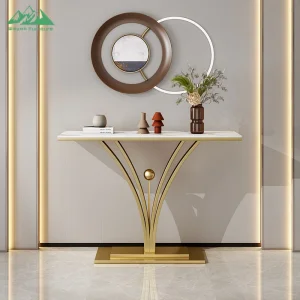
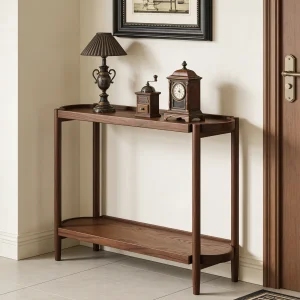
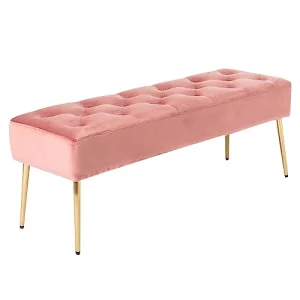
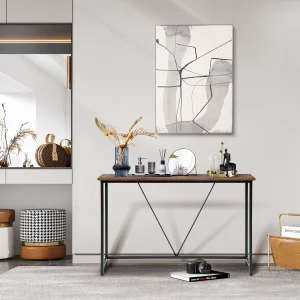
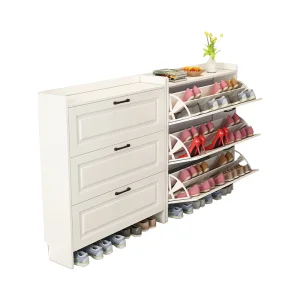
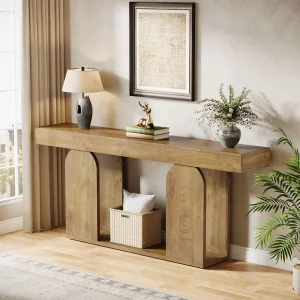
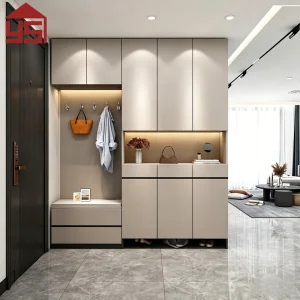
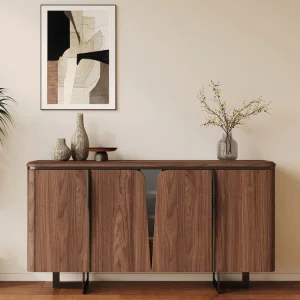
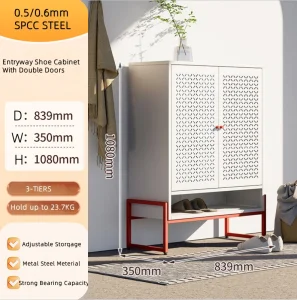
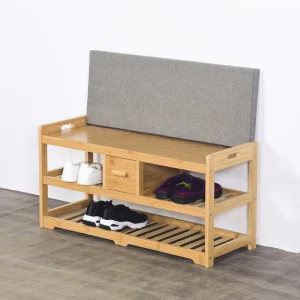
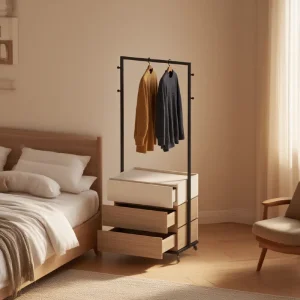
Discover our full line of entryway benches, console tables, and shoe cabinets, designed for Japanese homes, commercial spaces, and premium hotels.
Get answers to common technical, regulatory, and logistical questions about sourcing entryway and hallway furniture for the Japanese market.
Enhance your inventory with JAS F★★★★ compliant, space-saving entryway furniture designed for the Japanese market. Contact our export sales team today to request a quote, order samples, or discuss custom OEM/ODM designs.
Send Inquiry Now Mingkei Furniture