Explore our highly requested commercial furniture installations customized for Tokyo’s leading dining districts.
An authoritative analysis of spatial constraints, compliance protocols, and manufacturing supply chains for Tokyo food and beverage venues.
Tokyo is globally recognized as the culinary capital of the world, boasting the highest density of Michelin-starred restaurants alongside thousands of micro-cafes, high-traffic izakayas, and luxury hotel dining rooms. In a city where real estate commands a massive premium, the design, durability, and dimensions of commercial furniture are critical factors for a venue's return on investment (ROI). Success in Tokyo's hospitality landscape hinges on space optimization ("tsubo" productivity) and strict compliance with local codes, such as the Tokyo Fire Prevention Ordinance (東京消防庁条例) and Japan Industrial Standards (JIS).
Cafe owners in districts like Shibuya, Ginza, and Shinjuku face unique challenges: layouts must maximize seating capacity without compromising pedestrian flow, and materials must withstand heavy daily rotations while maintaining a high-aesthetic, clean look. This dynamic has driven the demand for specialized, custom-manufactured contract furniture that blends modern design with structural integrity.
For import and installation in Japanese public spaces, wood materials must comply with strict formaldehyde emission regulations. Guangzhou Mingkei Furniture works closely with Japanese developers and project managers to ensure raw wood materials, laminates, and adhesives comply with building standards, minimizing indoor air pollution risks.
While many Tokyo hospitality operators appreciate local Japanese craftsmanship, domestic production costs and long manufacturing queues have led top hospitality developers, franchise brands, and designers to seek partners in major furniture clusters. Guangzhou Mingkei Furniture Co., Ltd. offers a strategic bridge between high-volume, low-cost capacity and precision engineering:
Modern commercial spaces in Japan are currently defined by several distinct, overlapping design movements:
1. "Japandi" Minimalism: Combining the sleek, rustic simplicity of traditional Japanese tea houses with the functional clean lines of Scandinavian design. This style utilizes light-toned ash woods, natural linen-like upholstery, and low-profile metal frames.
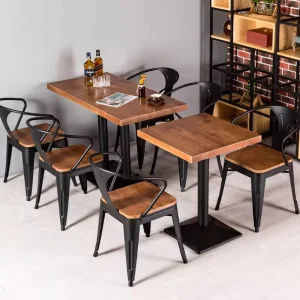
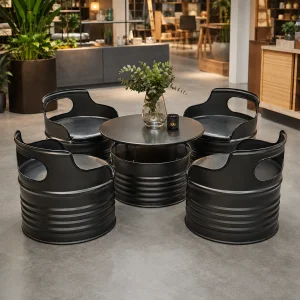
2. Retro Industrial & Biophilic Cafe Concepts: Popularized in Tokyo neighborhoods like Shimokitazawa and Kiyosumi Shirakawa, these venues integrate raw industrial elements—such as our oil drum metal furniture sets and distressed solid wood tables—with indoor greenery to create highly photographable, social-media-ready environments.
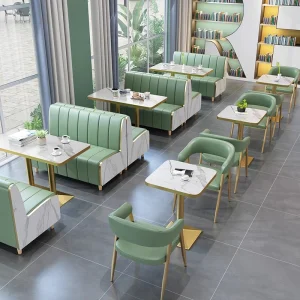
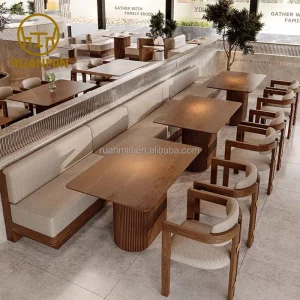
3. Compact Modular Seating: Linear, wall-mounted bench sofas and custom modular bar counters that can be easily rearranged to accommodate small private parties or single remote workers requiring integrated USB charging outlets.
Our operational numbers prove our capabilities as a trusted supplier for commercial-grade contract furniture worldwide.
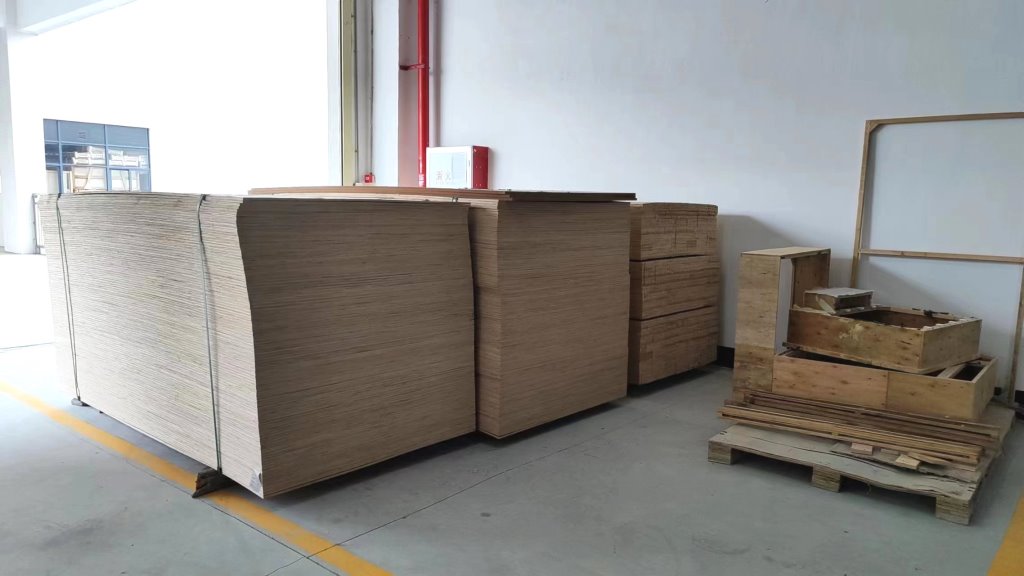
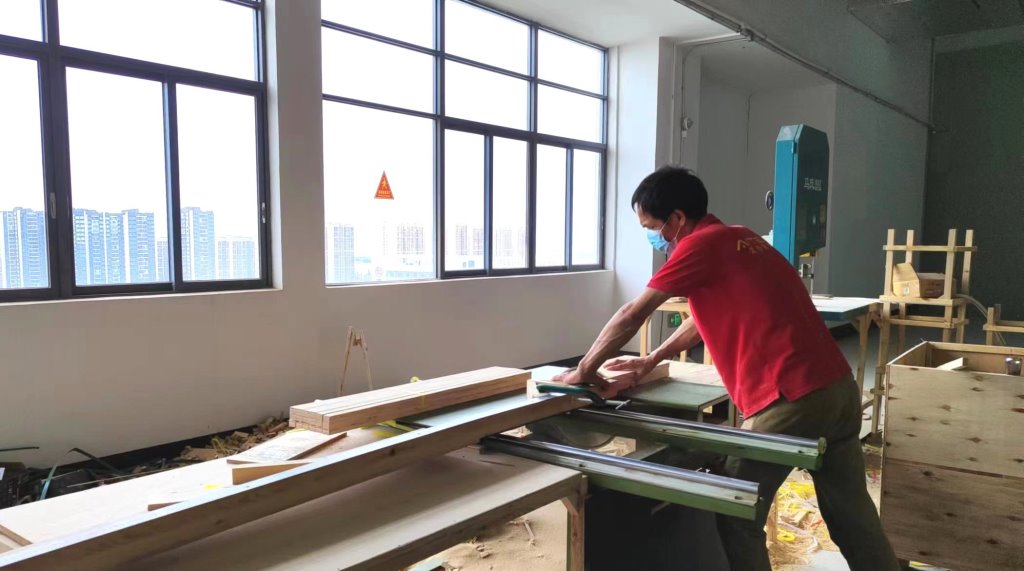
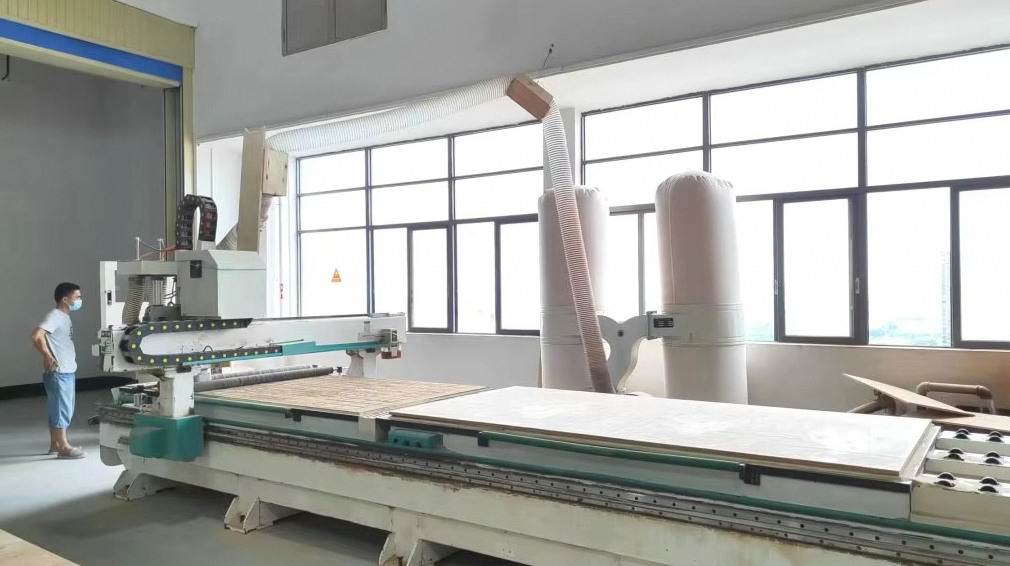
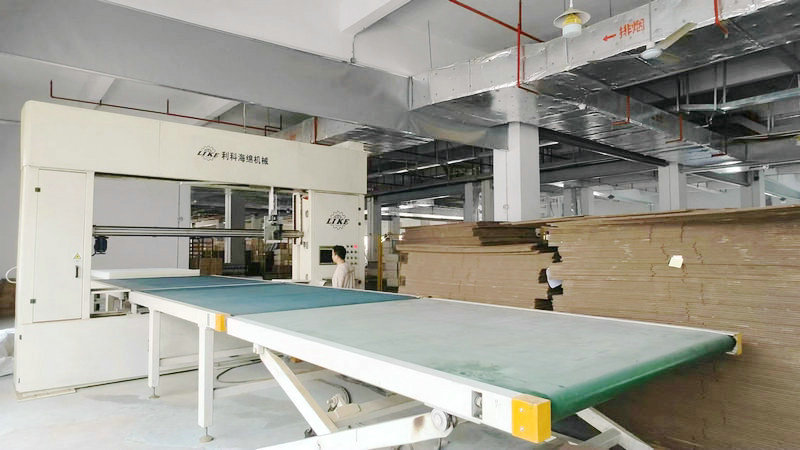
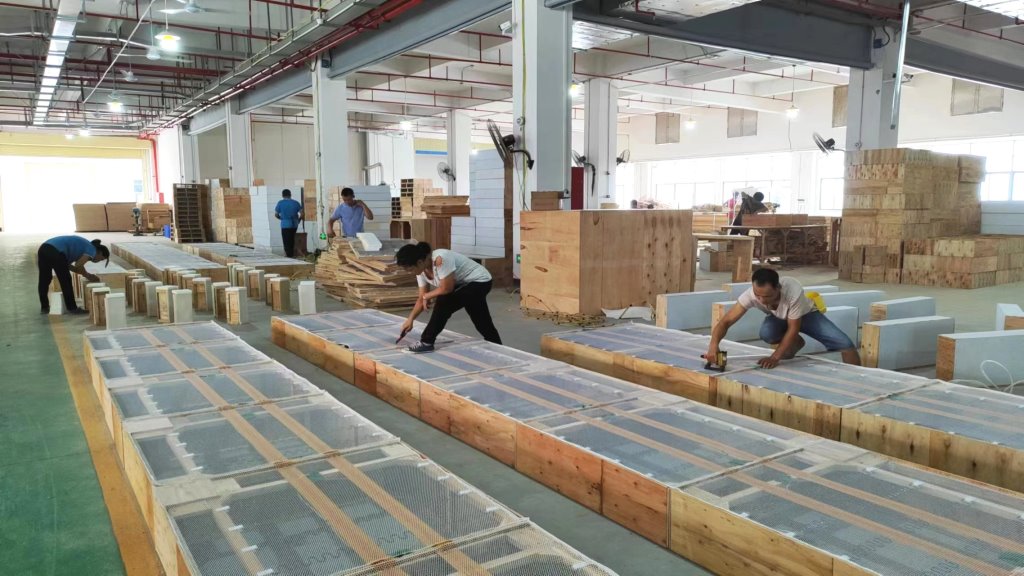
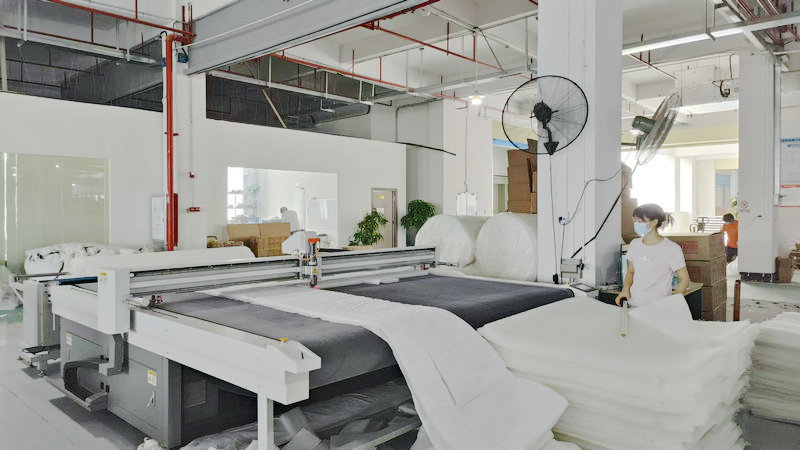
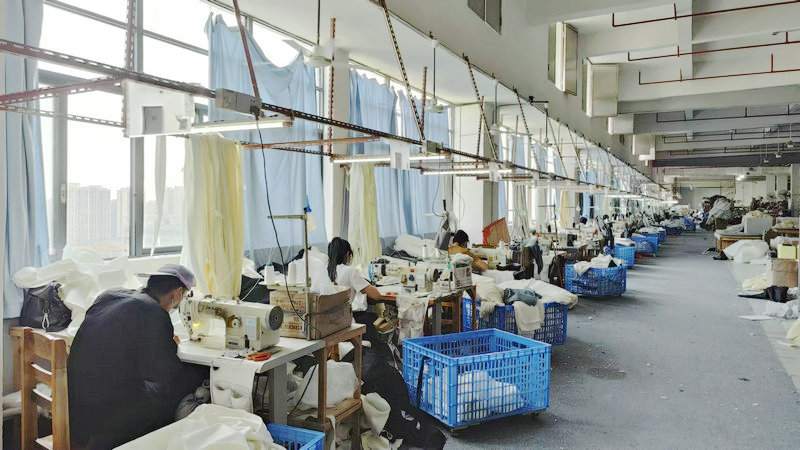
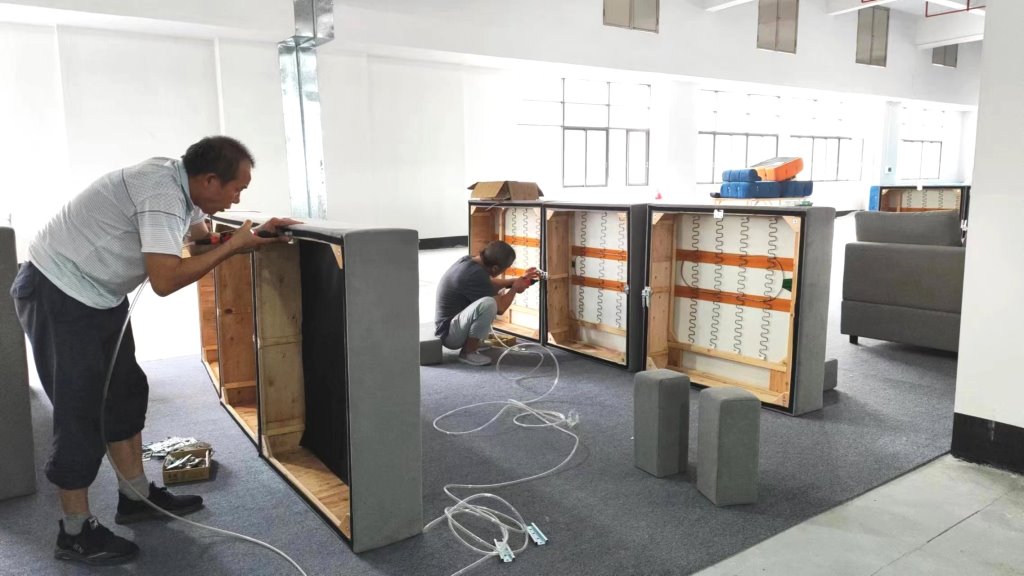
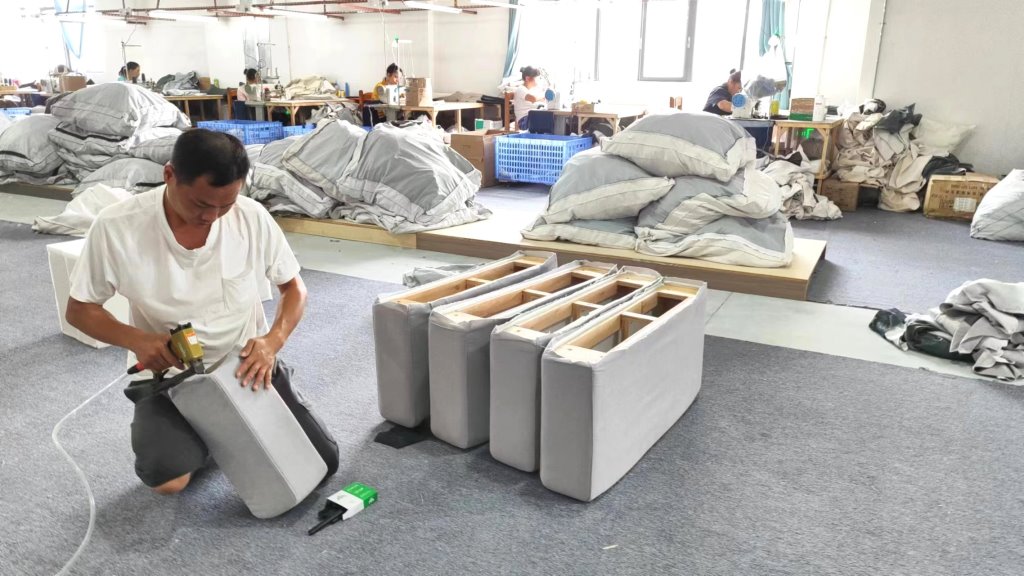
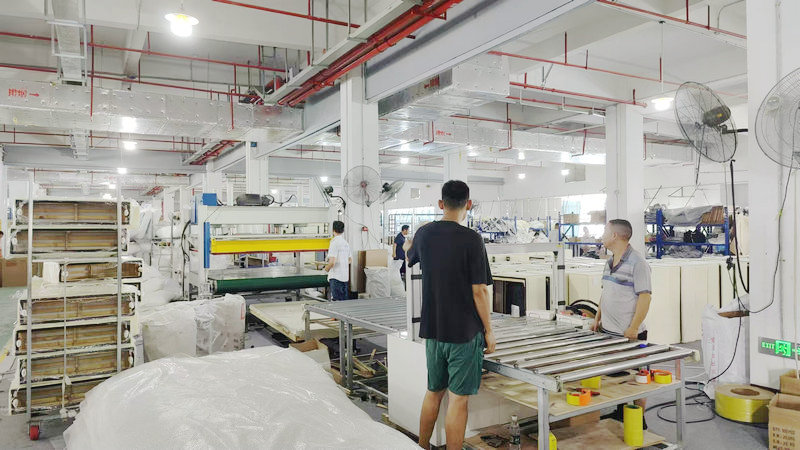
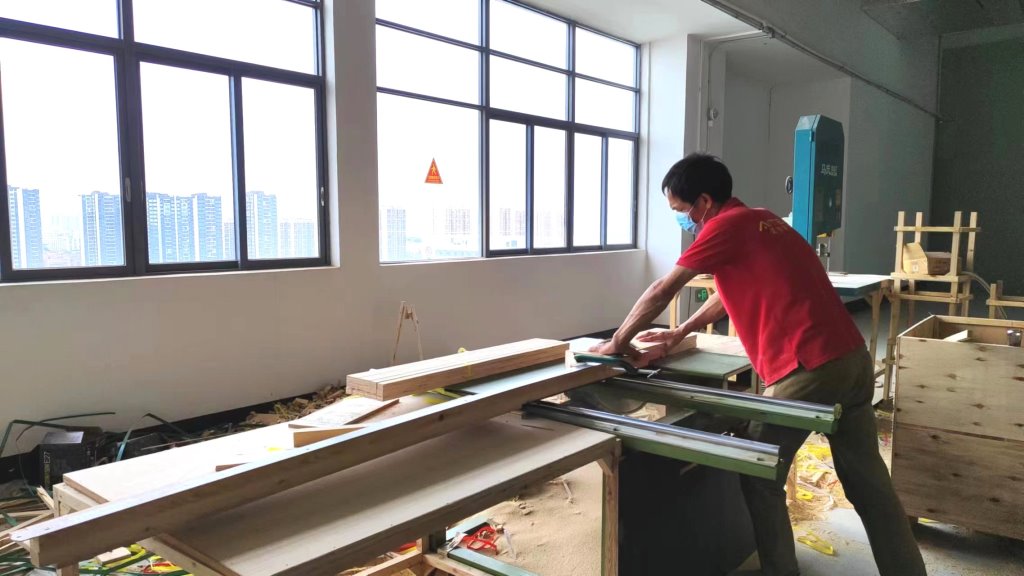
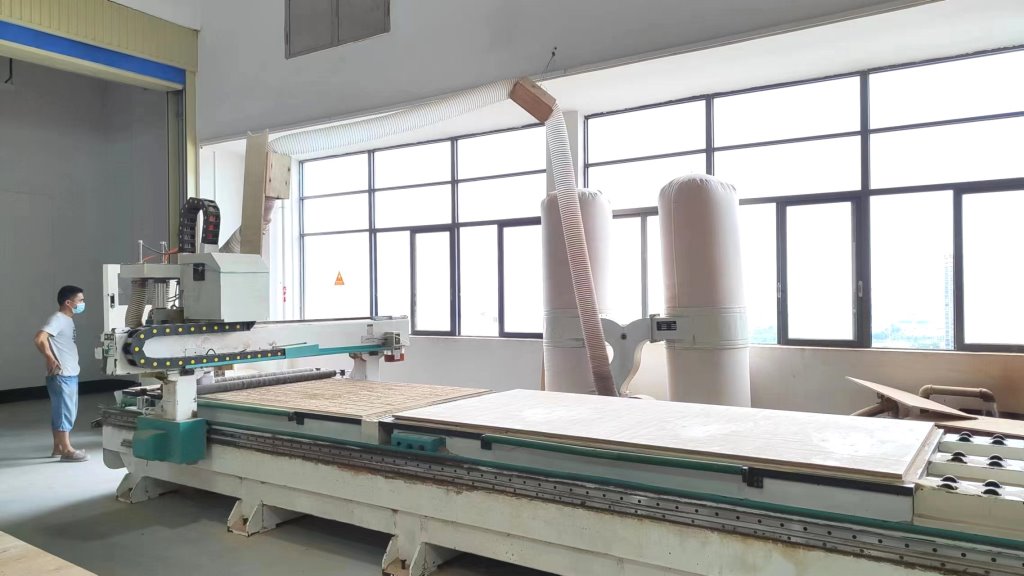
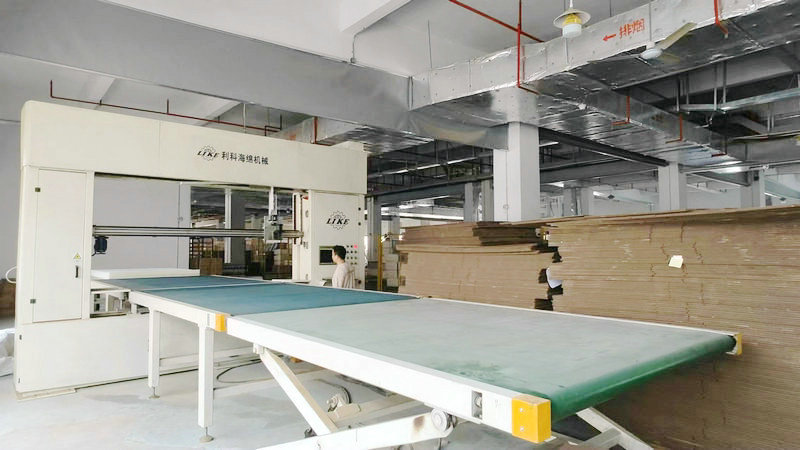
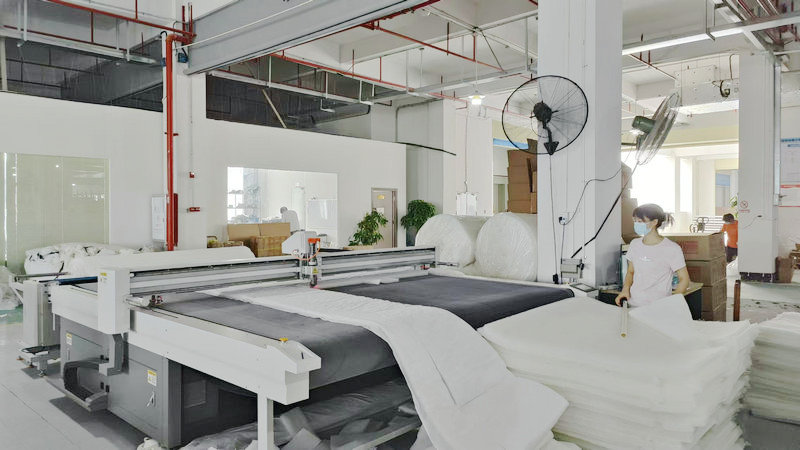
Transparent production lines combining craftsmanship with modern machinery, ensuring contract-grade standards for every batch.
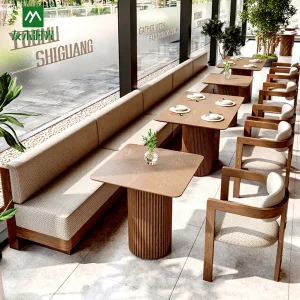
Choose from our broad selection of durable, heavy-use dining assemblies ready to ship directly to Tokyo Bay.
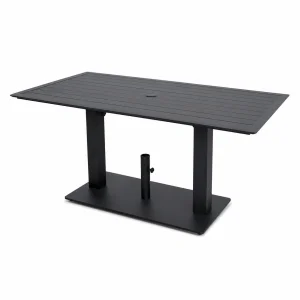
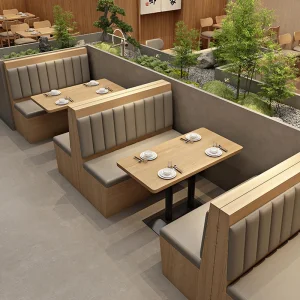
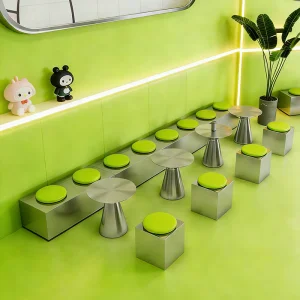
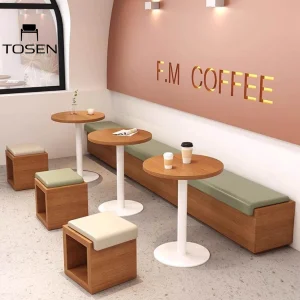
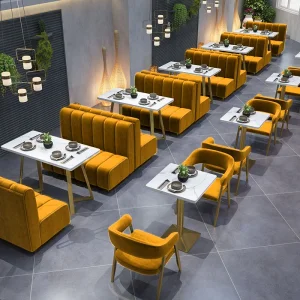
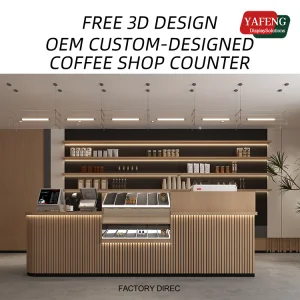
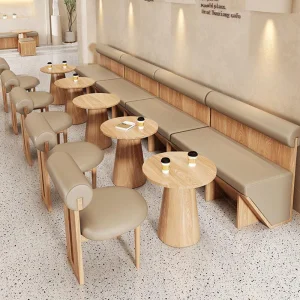
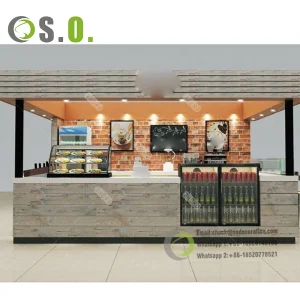
High-end setups designed for upscale hotel bistros, bubble tea shops, and themed restaurants in Tokyo.
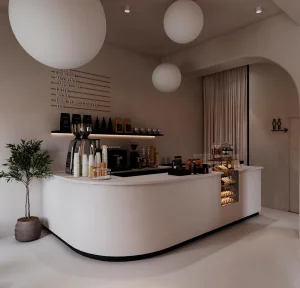
How we adjust designs and technical features based on the distinct commercial environments of Tokyo districts.
Scenario: High-end luxury bistros and executive lounges.
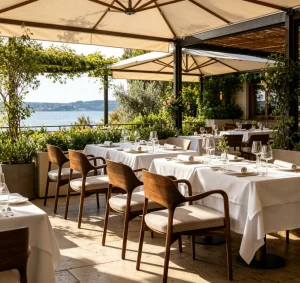
Solution: Solid wood tables, fine leather upholstering, and stainless steel trims with custom brushed finishes to project prestige and reliability.
Scenario: High-traffic, compact lifestyle cafes and micro-coffee shops.
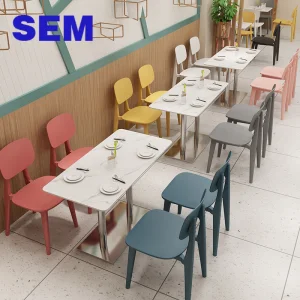
Solution: Modular seating banks and custom-dimensioned bar stools designed to maximize spatial usage and withstand constant student/commuter flow.
Scenario: Vintage, indie, and artistic themed cafes.
Solution: Retro metal-framed furniture, distressed wood finishing, and oil drum themed assemblies to match bohemian aesthetics.
Get answers to critical logistical, quality, and technical questions regarding commercial furniture importation to Japan.
Yes. We source MDF, plywood, and adhesives that comply with the Japanese Ministry of Land, Infrastructure, Transport and Tourism standards. Please specify your requirement during the inquiry stage, and we will provide corresponding certification test reports.
Our design team uses advanced CAD software to cross-reference your site architectural drawings. We adjust the length, depth, and modular configuration of products (such as booth benches and display counters) to ensure seamless installation with minimal field cutting required by local contractors.
Manufacturing standard contract orders usually takes 25 to 35 days depending on material specifications. Shipping from Shenzhen or Nansha port to the Port of Tokyo or Port of Yokohama takes approximately 5 to 7 days, making the total timeline from purchase to port arrival roughly 5-6 weeks.
Yes, we provide fabrics and high-density foams treated with flame-retardant additives. We can conform to BS5852, CAL117, or local Japanese fire safety guidelines based on project specifications.
To keep custom manufacturing cost-effective, we maintain a flexible MOQ framework depending on the furniture type. Typically, we support starting orders for boutique cafes, allowing you to combine chairs, tables, and custom booths within a single shipping container.
Located in the Pearl River Delta industrial cluster of Guangzhou, Guangdong Province, China, Mingkei Furniture is a dedicated commercial-grade and residential furniture manufacturer. We specialize in designing, manufacturing, and exporting contract-grade solutions to wholesalers, hospitality project contractors, interior designers, and global franchise chains.
Our core goal is to make furniture sourcing easier, more efficient, and more valuable for global customers. We bridge the gap between high-volume manufacturing capabilities and the precise, localized demands of global cities like Tokyo.
 Mingkei Furniture