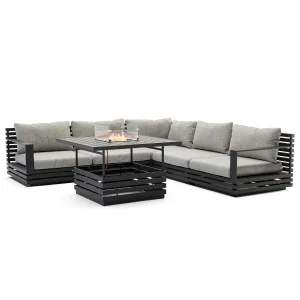
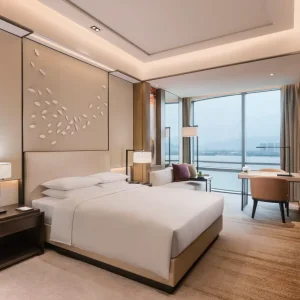
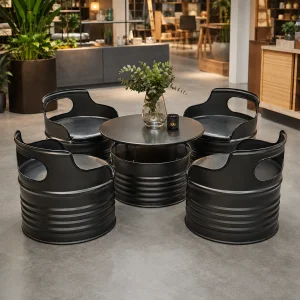
Explore our premium architectural elements engineered for flexibility, durability, and contemporary spatial design.
The post-pandemic commercial real estate market has experienced a profound structural paradigm shift. The conventional, rigid layout of corporate offices is being rapidly replaced by high-performance, dynamic workspace environments. As hybrid work models stabilize worldwide, corporate real estate executives, architects, and acoustic consultants are prioritizing space optimization, acoustic containment, and rapid reconfiguration capabilities.
According to global commercial design indexes, acoustic comfort and visual privacy consistently rank among the top factors influencing employee productivity and mental well-being. Unmitigated noise levels in open-plan configurations degrade cognitive throughput and increase occupational fatigue. Consequently, the demand for high-integrity, modular CE certified office partitions has surged, transforming partitions from simple drywall substitutes into advanced, demountable, and sound-rated structural systems.
Integrating architectural partitions requires careful evaluation of safety, environmental performance, structural integrity, and acoustic mitigation. To confidently specify partition systems for major construction and fit-out projects, industry professionals require products validated by rigorous third-party assessment framework, notably the CE Certification (Conformité Européenne). This certification guarantees compliance with essential health, safety, and environmental protection standards within the European Economic Area (EEA), serving as a benchmark for quality and safety worldwide.
CE marking is not merely a label; it represents a comprehensive system testing and manufacturing consistency declaration. For office partitions (glass, solid, or modular combinations), CE marking involves testing under several European Assessment Documents (EADs) and Harmonized Standards:
Evaluates the sound reduction index (Rw) of partition walls. Premium double-glazed configurations with PVB acoustic interlayers achieve ratings of 42dB to 48dB, reducing adjacent disturbances.
Specifies safety performance when exposed to flame. Partition core materials, structural aluminum profiles, and backing panels are classified (e.g., Class A1/A2 or B-s1, d0) to delay fire propagation.
Ensures the mechanical stability of partition frameworks against dynamic body impact and static loads, preventing catastrophic structure failures or glass shattering under physical stress.
A partition wall must be engineered for its specific environment. Different sectors have distinct requirements for acoustic performance, visual transparency, and structural flexibility:
In corporate headquarters, confidentiality is paramount. Partition systems require high STC (Sound Transmission Class) double-glazed walls (Rw ≥ 45dB) integrated with smart glass. These systems provide acoustic privacy for executive boardrooms while maintaining a visual connection to open collaboration areas.
Agile spaces demand rapid configuration. Sliding partition systems and modular wall dividers allow quick spatial transformation. These panels can convert a single open-plan presentation floor into three individual breakout training rooms within minutes, utilizing integrated top-hung tracks without floor guides.
Clinical environments require hygienic, easy-to-sanitize partition layouts. Flush-glazed partition structures minimize dust collection ledges, using powder-coated aluminum framing and anti-microbial glass treatments to satisfy hospital control requirements and privacy regulations.
In proximity to industrial processes, control rooms require protective partitioning. In these scenarios, heavy-duty composite wall panels are specified, integrating fire-resistant rockwool cores, structural acoustic backing sheets, and heavy-duty triple glazing. This helps protect electronic control infrastructure and operators from factory noise and heat hazards.
The office partition industry is evolving through advancements in material science and electronic integration. Traditional modular divisions are transforming into interactive structural systems:
Polymer Dispersed Liquid Crystal (PDLC) technology is becoming standard in high-end projects. At the touch of a button or via an automated building management system signal, the glass transitions from completely transparent to frosted opaque. This provides instant visual privacy without blocking natural light transmission.
Future architectural specifications prioritize lower embodied carbon. New product iterations utilize recycled structural aluminum (6060-T6 alloy, containing over 75% recycled scrap metal) and post-consumer PET acoustic panels. This alignment supports LEED, BREEAM, and WELL building certification credits.
Modern demountable partitions are incorporating air quality sensors, occupant tracking hardware, and integrated LED status lights. The structural aluminum track serves as a pathway for low-voltage power distribution, supporting quick installation of office control panels, access readers, and decorative accent lighting.
To optimize indoor speech intelligibility, manufacturers are developing micro-perforated acoustic timber and metal panel options. These systems absorb sound rather than just deflecting it, maintaining a balanced reverberation time within meeting rooms.
Guangzhou Mingkei Furniture Co., Ltd. is a professional furniture manufacturer and export-oriented company specializing in the design, production, and global distribution of high-quality residential and commercial furniture. With years of industry experience and a strong commitment to innovation, quality, and customer satisfaction, Mingkei has become a trusted partner for customers worldwide.
Located in Guangzhou, Guangdong Province, China, and supported by a well-established manufacturing network in the Pearl River Delta furniture industry cluster, we provide comprehensive furniture solutions for wholesalers, distributors, project contractors, interior designers, e-commerce sellers, and home furnishing retailers. Our mission is to make sourcing easier, more efficient, and more valuable for global customers.
Operating out of the Pearl River Delta furniture industry cluster provides access to an established ecosystem of raw material mills, advanced tooling shops, extruders, glass fabricators, and hardware component suppliers. This concentration helps reduce lead times, optimize logistics, and support custom development.
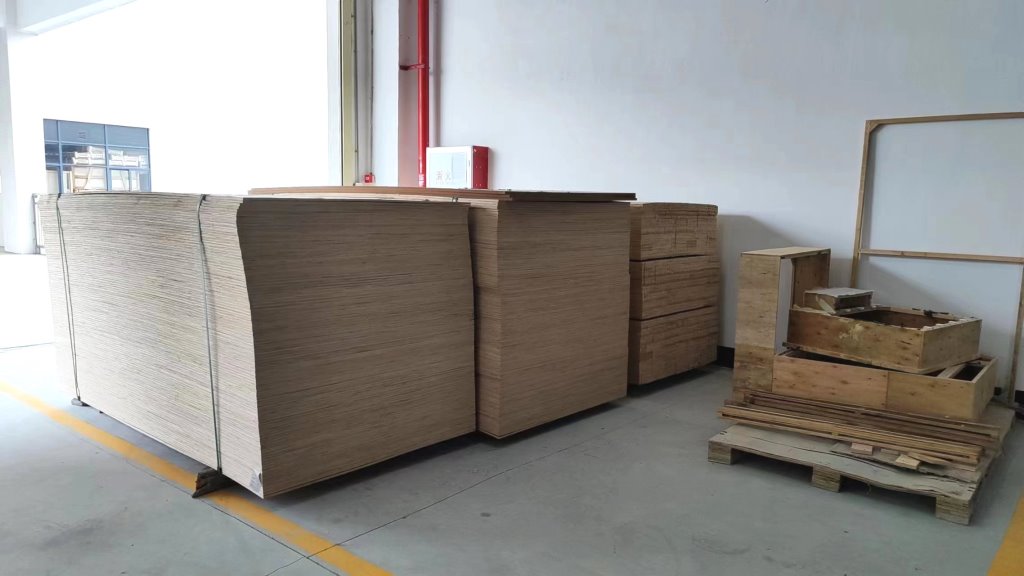
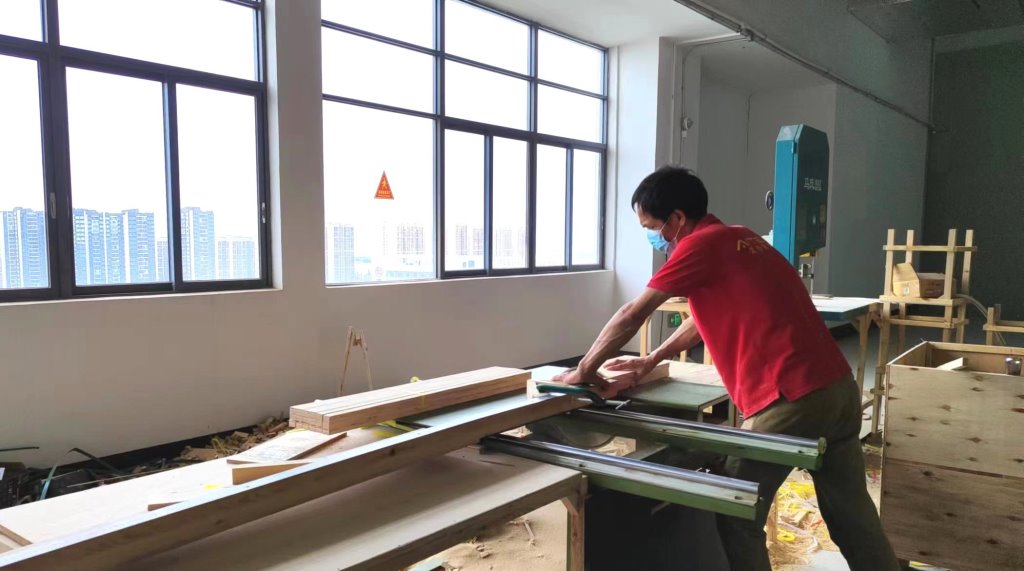
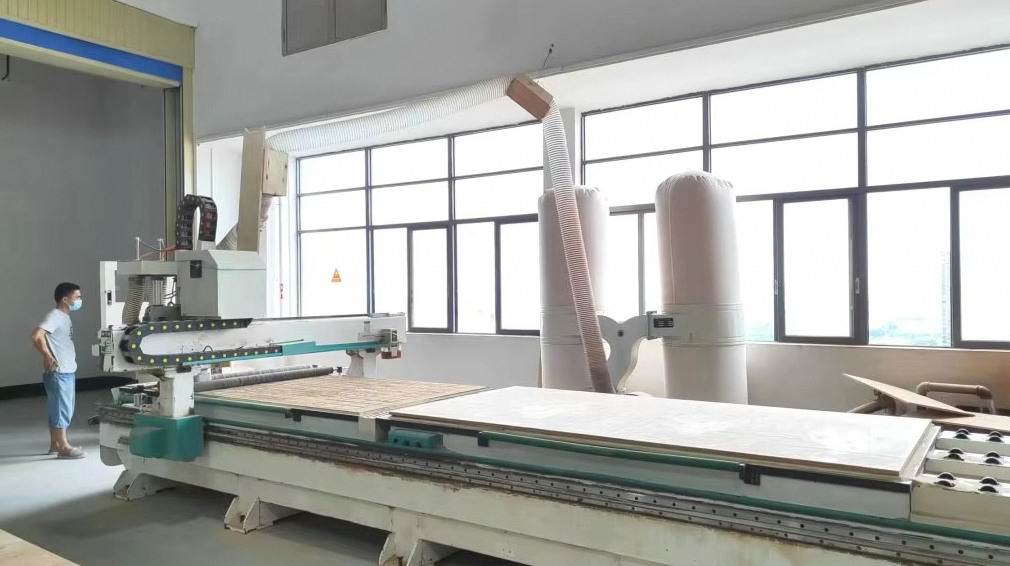
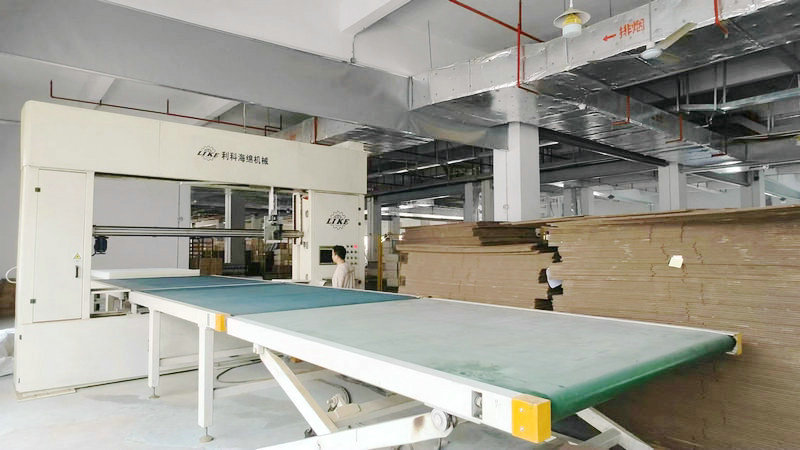
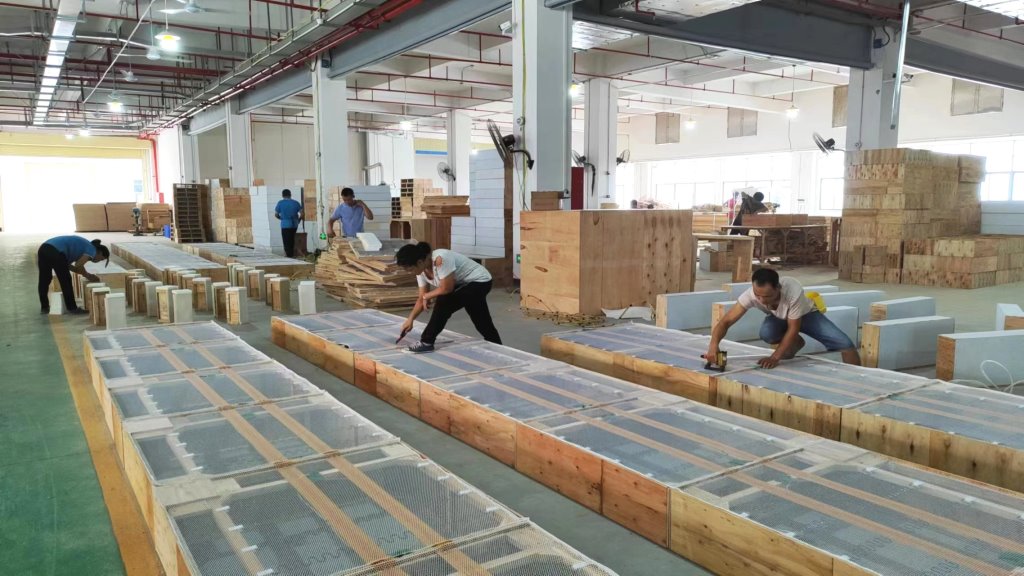
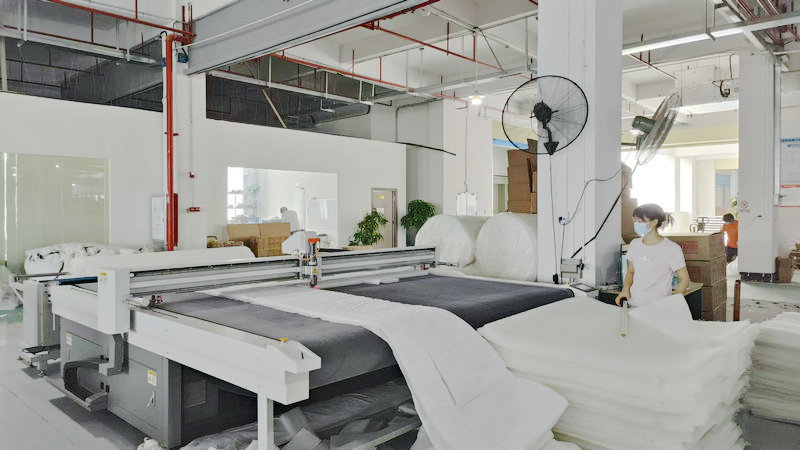
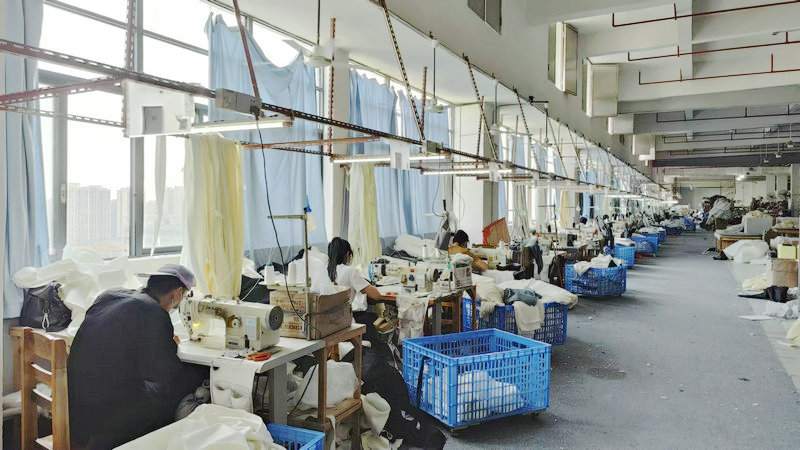
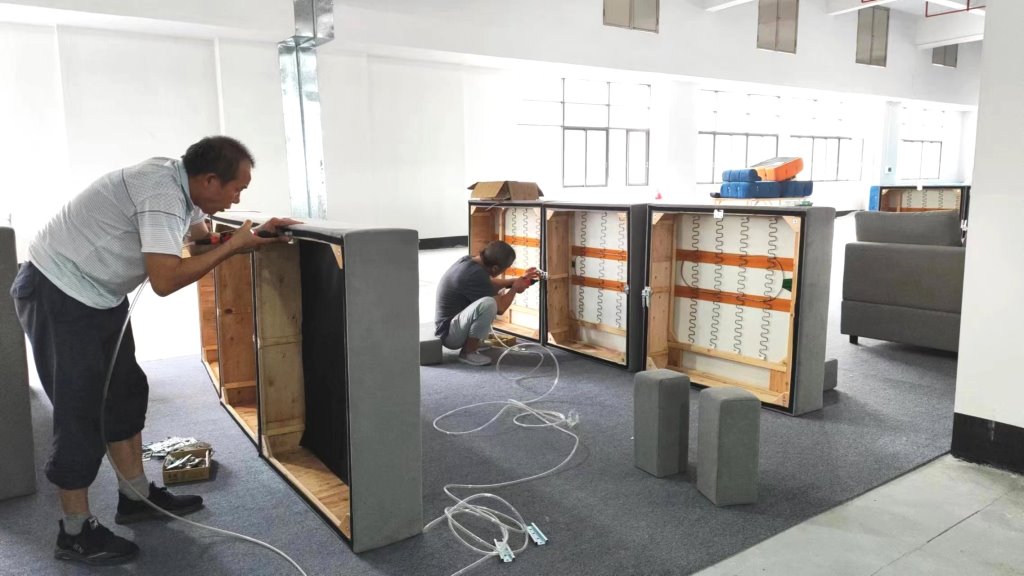
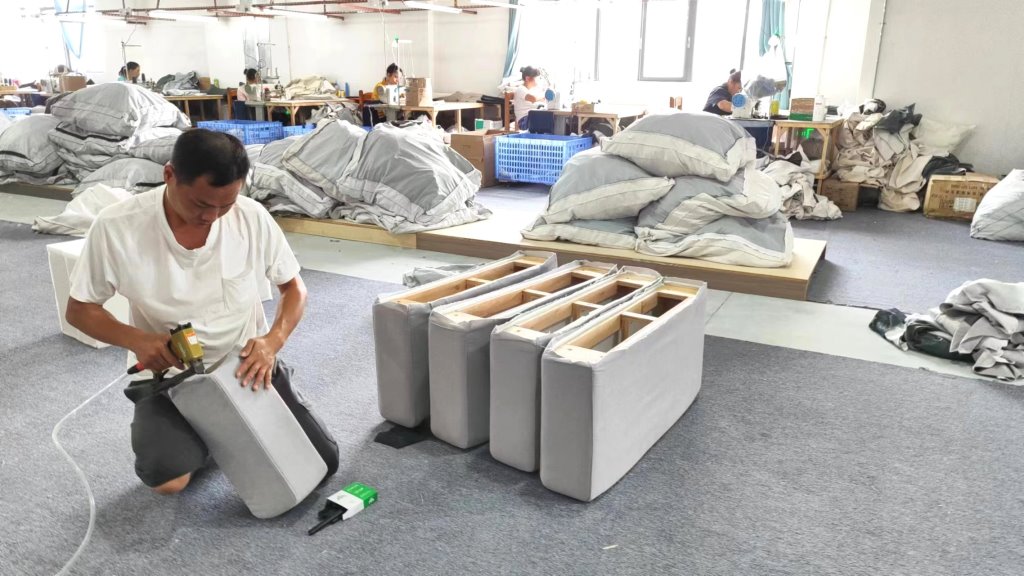
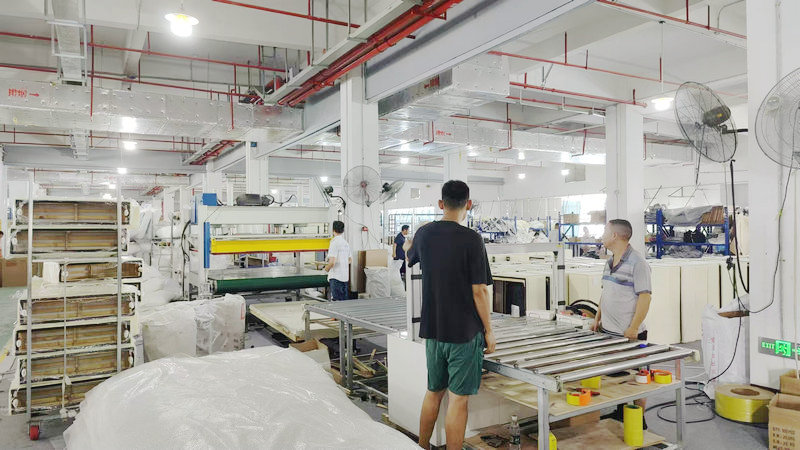
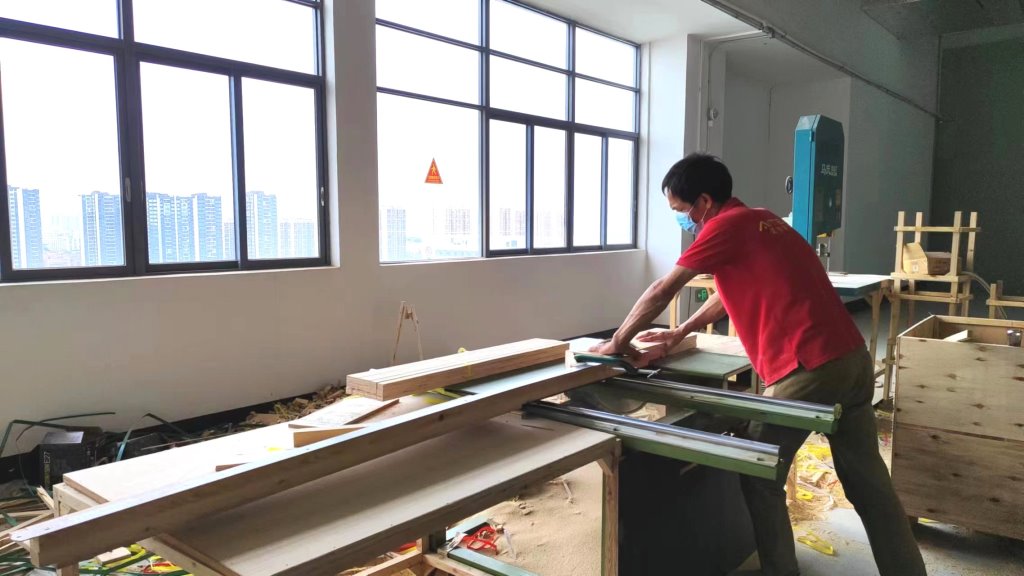
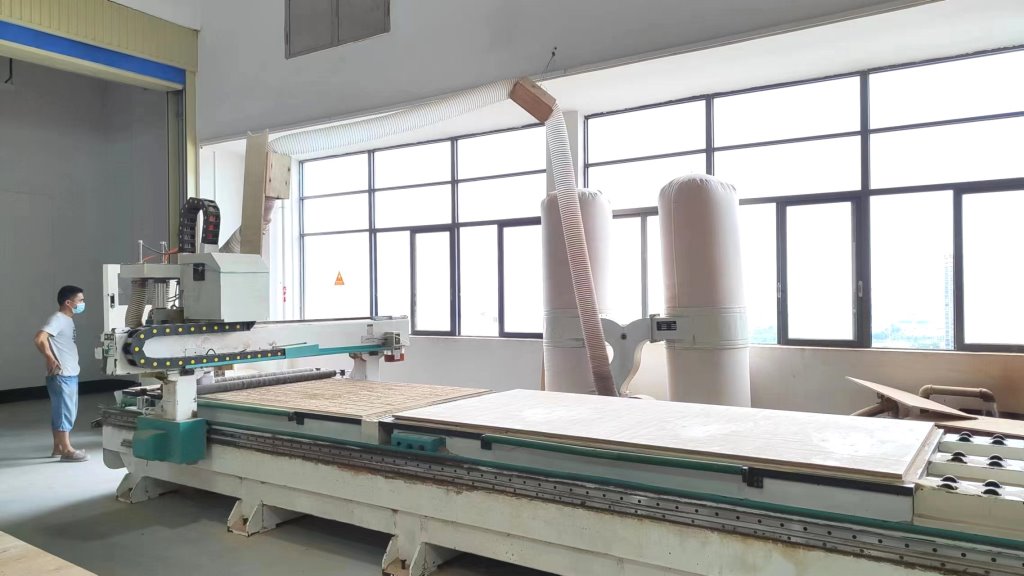
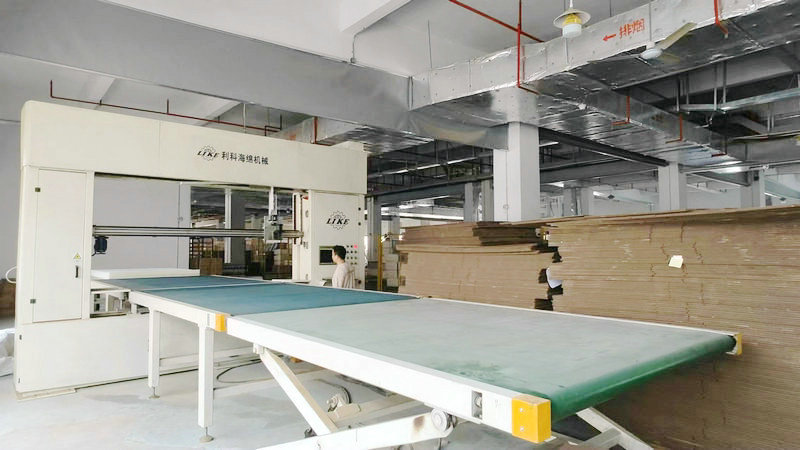
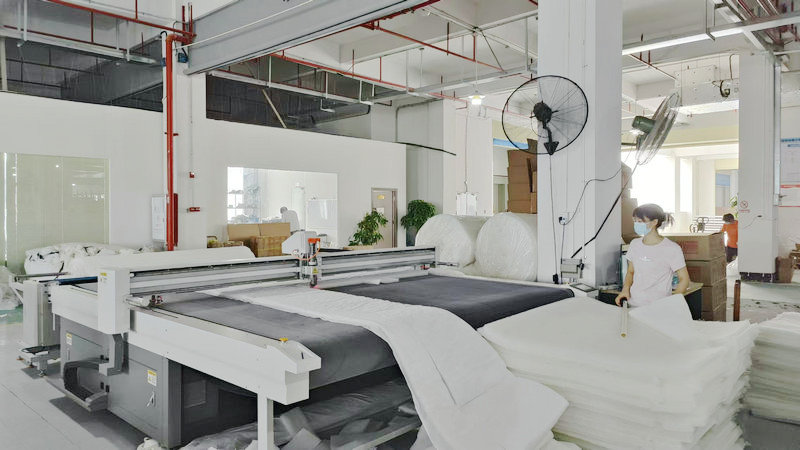
From initial design consultations to international logistics coordination, we support global commercial projects with structured services:
With extensive experience in furniture manufacturing and international trade, we monitor global market trends and technical product requirements to maintain compliance across regions.
From living room furniture to bedroom collections, home accessories, and office dividers, we provide complete, integrated procurement packages to reduce administrative overhead and shipping costs.
Direct factory cooperation, optimized layout configurations, and localized sourcing of structural metals and tempered panels allow us to provide cost-effective pricing while maintaining quality standards.
We support lower minimum order quantities (MOQ), assisting project developers, specialized design agencies, and emerging distributors in piloting new configurations or fulfilling custom layouts.
Our engineering team develops customized structural designs, customized profiles, special finishes, custom glazing styles, and integration solutions tailored to specific commercial construction blueprints.
Selected products comply with international standards and certifications such as CE, RoHS, UL, and other relevant quality requirements. Every batch undergoes dimensional checking, structural testing, and packaging validation.
Our products are exported to more than 50 countries and regions worldwide, including: Australia, the United States, Canada, Germany, France, Switzerland, Italy, the United Kingdom, the UAE, Saudi Arabia, Kuwait, South Africa, Japan, South Korea, and Southeast Asian markets. Through long-term cooperation, we provide logistical support, shipping coordination, customs clearance clearance document preparation, and post-installation service consulting to simplify global architectural procurement.
To assist architects, project managers, and procurement officers, we have compiled answers to technical questions concerning the testing, deployment, and performance of office partition walls:
Explore additional solutions designed to complement modern corporate, hotel, and restaurant spaces.
 Mingkei Furniture