Explore our benchmark commercial selections engineered for durability, ergonomics, and spatial efficiency.
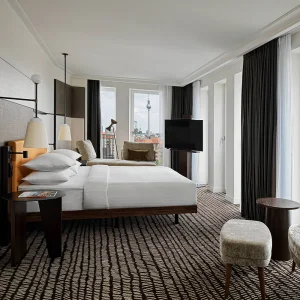
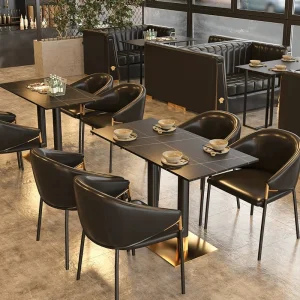
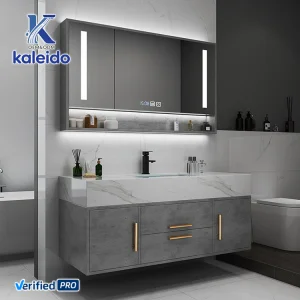
Analyzing market drivers, structural demand patterns, and material integrity benchmarks.
The global commercial furniture market is witnessing a major transformation, heavily driven by the rapid growth of mixed-use real estate, modern metropolitan coffee shops, outdoor micro-dining spaces, and the boutique hospitality sector. Key industry data points to a sustained compound annual growth rate (CAGR) in the demand for modular, space-efficient seating systems, colloquially designated as Bistro Sets. In dense metropolitan districts across Europe, North America, and the Asia-Pacific, real estate constraints dictate that dining layouts maximize seating capacity without compromising user comfort or spatial circulation.
From a commercial planning standpoint, the configuration of two chairs and a single compact table (historically designed for small Parisian bistros) represents one of the most profitable layout profiles for hospitality operators. In terms of return on investment (ROI) per square foot, compact bistro furniture facilitates higher turn-around utility. It caters to a diverse range of user behaviors, from solo remote workers to couples dining outdoors.
Expert Industry Insight: Commercial grade bistro furniture is not merely a downscaled version of standard residential dining furniture. It requires specific structural engineering, including enhanced tensile joint strength, UV stabilizer formulation, and optimal weight-to-durability ratios. When high-volume procurement teams source these assets, they prioritize physical resilience, ease of sanitation, and compliance with institutional standards such as ANSI/BIFMA X5.5 (Desk and Table Products) and EN 581 (Outdoor Seating and Tables).
Modern manufacturers must innovate their material formulas to meet these rigorous requirements. For outdoor commercial settings, selecting the correct metal finish is critical. High-grade aluminum alloys are chemically treated using multi-stage conversion coatings followed by thermosetting polyester powder paints. This process ensures the furniture can withstand salt air, high solar radiation, and physical wear. Similarly, for indoor dining options, industrial clients look for premium finishes like golden electroplated stainless steel, composite sintered stones, and customized high-pressure laminates (HPL) that resist heat and scratching.
Decisive elements evaluated by enterprise procurement directors and hospitality planners.
Commercial outdoor setups require Grade 304 or 316 stainless steel, or architectural-grade aluminum with 7-stage pretreatment. This ensures over 1,000 hours of salt spray testing without oxidation.
BIFMA compliance requires static load capabilities exceeding 136 kg (300 lbs) for seating units and cyclic fatigue testing of more than 100,000 cycles to simulate years of heavy traffic.
Increasing focus on recycled ocean plastics, FSC-certified plantation teak, and non-toxic powder formulations that meet low volatile organic compound (VOC) emissions standards.
Why the South China industrial clusters lead the global furniture trade.
When assessing top-tier bistro sets and commercial furniture exporters, China's manufacturing clusters—specifically those located in the Pearl River Delta (Guangzhou, Foshan, Dongguan)—remain the gold standard for global sourcing. This regional dominance is built on several key factors: deep vertical integration, a highly specialized local workforce, rapid prototyping, and world-class shipping and logistics infrastructure.
In the Pearl River Delta, raw materials, metal extrusions, hardware components, advanced machinery, and finishing plants are located in close physical proximity. This reduces transit times, minimizes inland transport costs, and allows for rapid adjustments in production. For instance, a change in product design can be quickly communicated from design teams to the metal extrusion or wooden cutting floor in days, compared to weeks in less integrated industrial regions. This agility is a key competitive advantage for global importers facing shifting market trends.
Guangzhou Mingkei Furniture Co., Ltd. is a prime example of this industrial efficiency. By leveraging the Pearl River Delta's integrated supply chain, Mingkei provides end-to-end solutions that span customized conceptual design, strict raw material procurement, and automated manufacturing. Sourcing from a centrally managed cluster allows Mingkei to offer competitive factory pricing while maintaining strict quality control. This structural advantage directly benefits global buyers, allowing them to optimize their margins and protect their retail profits.
Key performance metrics showing our global operational scale.
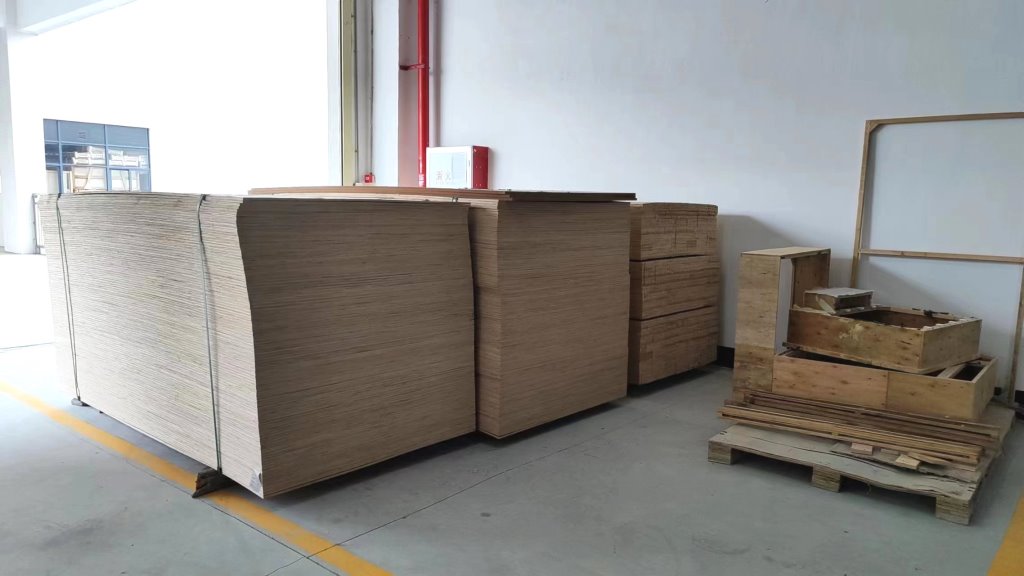
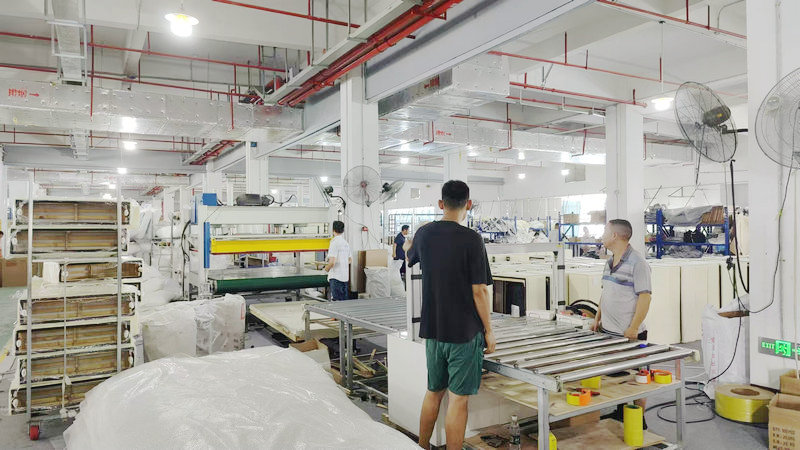
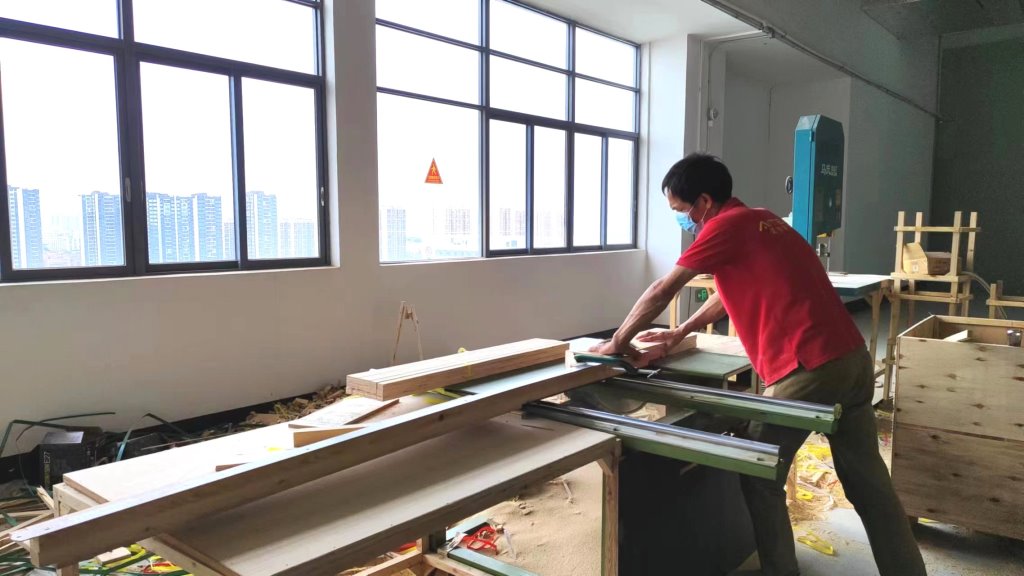
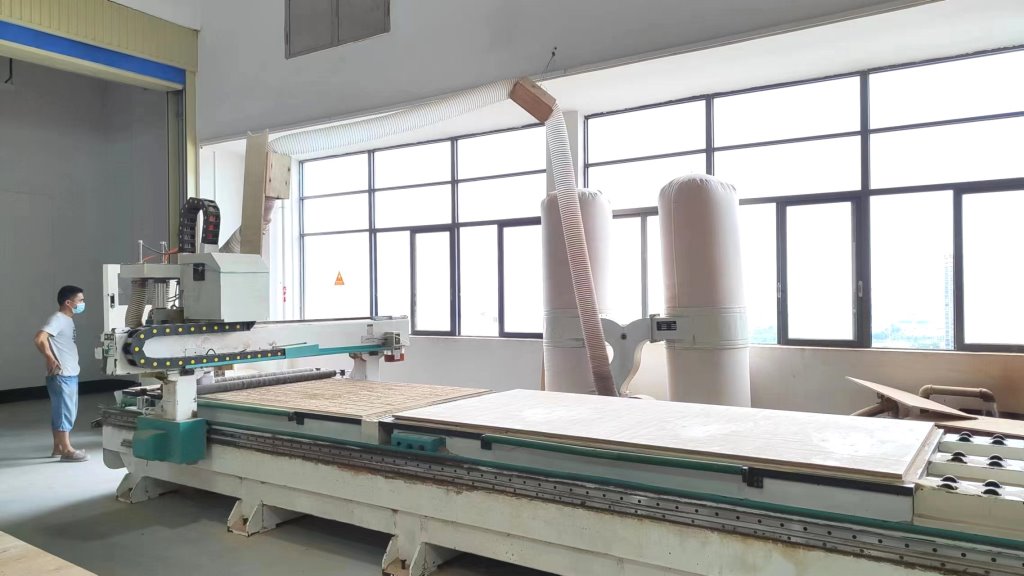
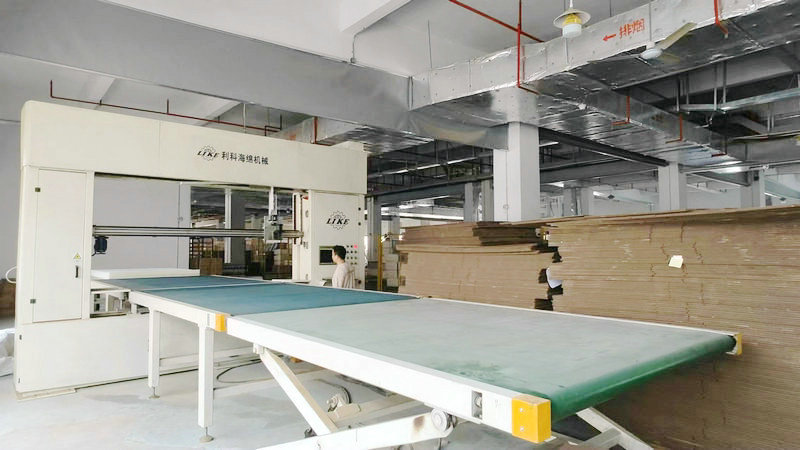
Under the hood of a premier export-oriented commercial furniture factory.
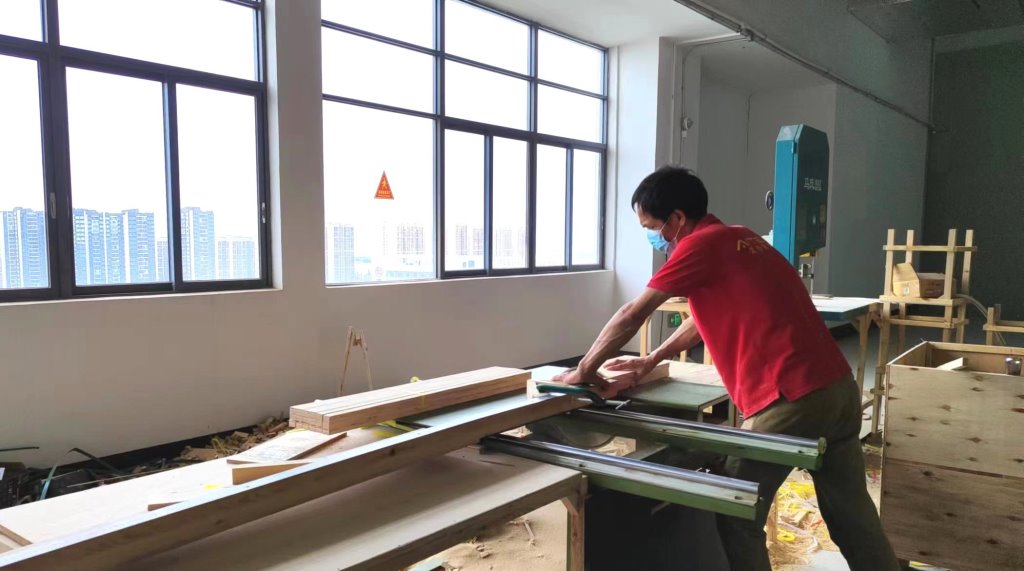
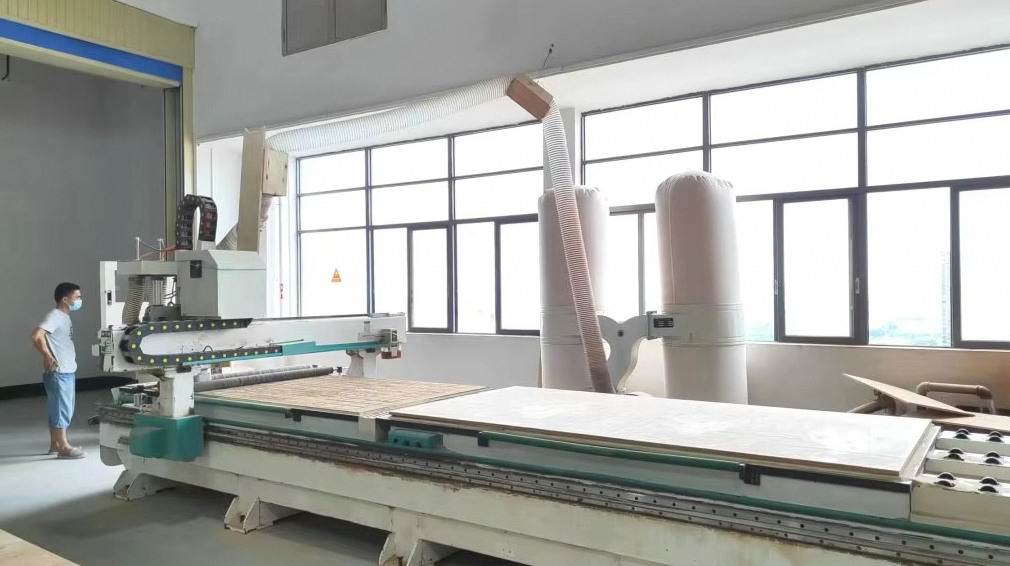
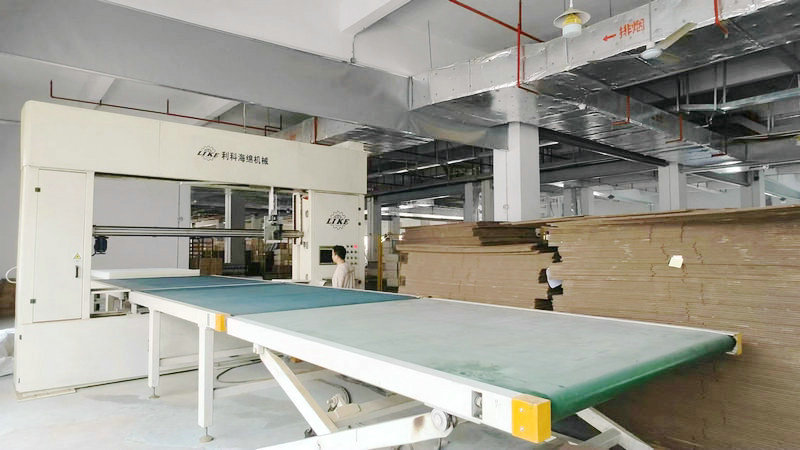
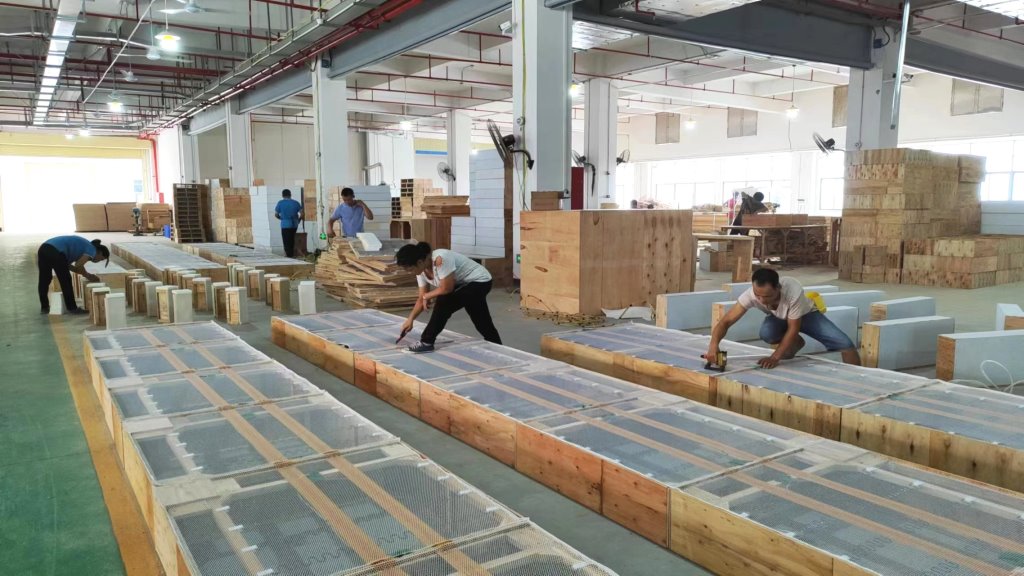
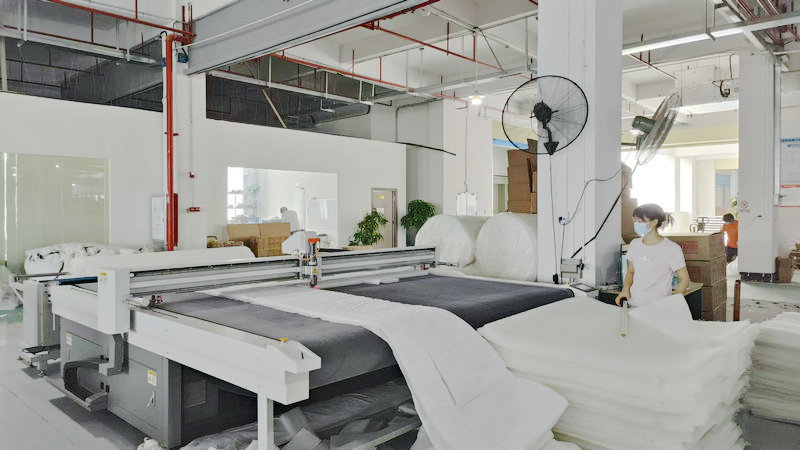
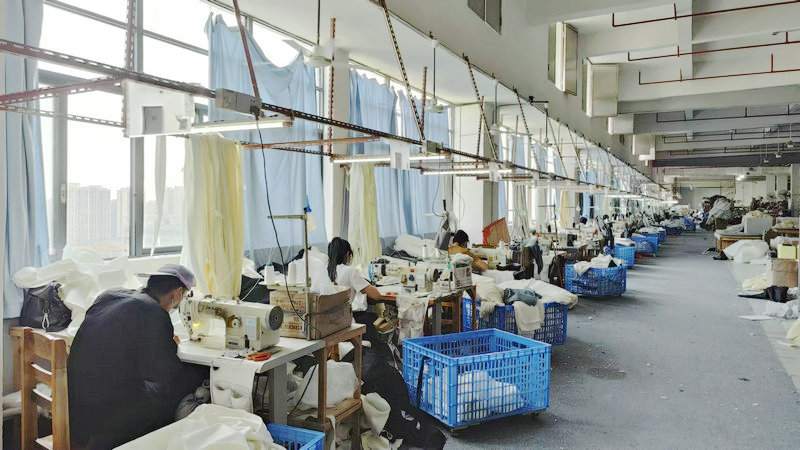
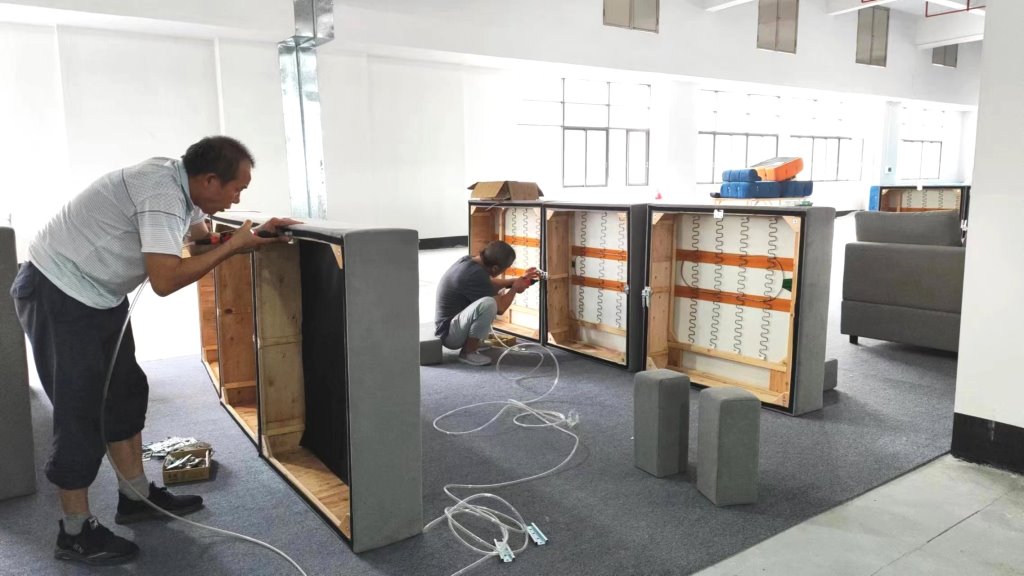
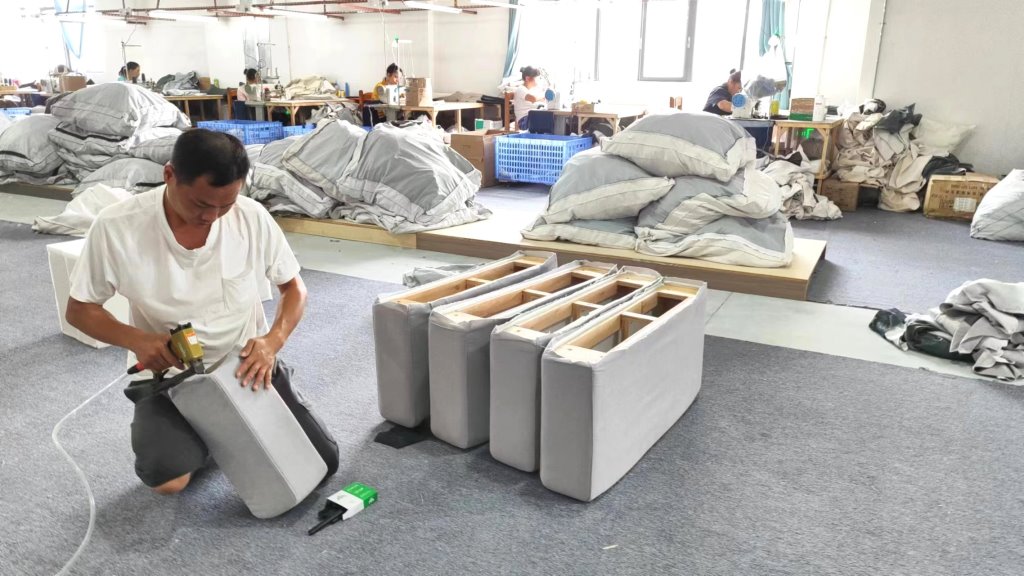
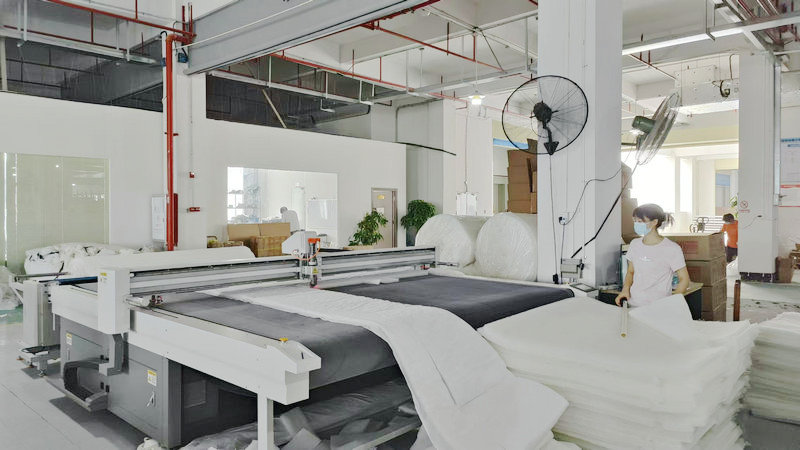
Tailoring product designs to meet regional outdoor environments and cultural preferences.
A common mistake in global furniture sourcing is using a single design template for all markets. However, variations in regional climates, architectural styles, and regulatory frameworks require distinct localization strategies for bistro sets. Sourcing managers must understand these regional differences to optimize their purchasing plans.
In regions like California, Florida, and the Southern United States, outdoor furniture is exposed to intense sunlight and high UV radiation. This requires powder coatings formulated with Class 2 weathering resins to prevent fading. Additionally, North American spatial standards generally require wider seats and deeper seat wells to meet local comfort expectations.
European cities with historic centers and narrow streets require highly stackable, lightweight aluminum or steel bistro sets. Environmental compliance is also critical. Wood products must carry FSC chain-of-custody certification, and all synthetic materials must comply with REACH regulations concerning harmful chemical substances.
In the GCC region, bistro furniture must withstand extreme heat up to 50°C. Designers choose materials like composite stone tops and premium stainless steel frames that do not absorb excessive heat. The region's thriving luxury hospitality market also drives high demand for elegant designs featuring custom gold accents and high-performance synthetic materials.
The bistro furniture market is shifting from static, traditional pieces to smarter, more modular, and highly sustainable designs. The industry is currently moving along three key design pathways:
A professional partner in commercial and residential furniture manufacturing.
Located in Guangzhou, Guangdong Province, China, Guangzhou Mingkei Furniture Co., Ltd. is a leading manufacturer and exporter specializing in residential and commercial furniture. Supported by a well-established industrial cluster in the Pearl River Delta, Mingkei provides sourcing solutions for global wholesalers, distributors, project contractors, interior designers, e-commerce sellers, and home furnishing retailers.
Our core mission is straightforward: To make furniture sourcing easier, more efficient, and more valuable for global customers.
We work closely with clients to understand local market trends, regulatory codes, and logistics requirements. Our manufacturing services include:
Our Quality Commitment: At Guangzhou Mingkei Furniture Co., Ltd., we are dedicated to providing high-quality products, competitive pricing, reliable delivery, and long-term partnership support. We welcome global clients to visit our showroom and production facilities in Guangzhou.
Technical and logistics answers for commercial sourcing teams.
From custom cafe setups to high-durability storage systems and modern hotel room furniture.

 Mingkei Furniture