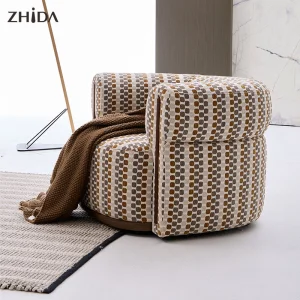
An elite selection of low-impact, premium commercial and hospitality grade furnishings engineered for modern green spaces.
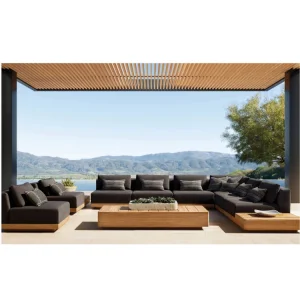
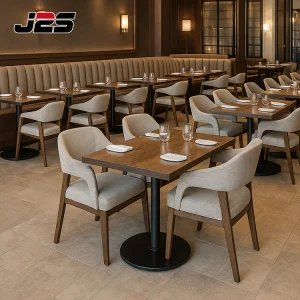
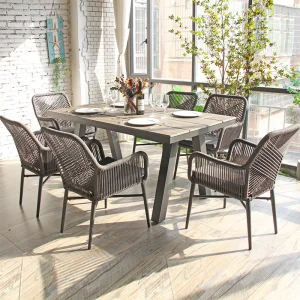
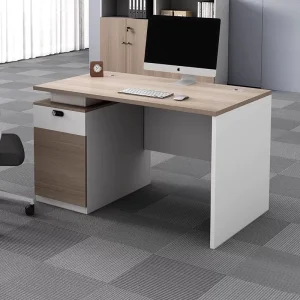
Integrating Advanced Ecological Architecture standards with Global Commercial Furniture Procurement Programs.
Located at the epicentre of the world's most robust furniture manufacturing cluster in Guangzhou, Guangdong Province, China, Guangzhou Mingkei Furniture Co., Ltd. stands as a premier export-oriented manufacturer specializing in the engineering, design, and systemic distribution of high-performance residential and commercial furniture. Operating in alignment with rigorous international benchmarks, Mingkei leverages the integrated raw material supply chains of the Pearl River Delta to deliver scale, efficiency, and verifiable sustainability protocols directly to developers, wholesalers, retail chains, and project contractors worldwide.
Our operational framework is fundamentally constructed around a single objective: To make contract-grade furniture sourcing more efficient, economically viable, and environmentally compliant for global enterprises. By bridging the gap between raw natural resources and precision engineering, we allow commercial brands to execute high-volume procurement programs without compromising their corporate ESG commitments or architectural design visions.
Analyzing key drivers in B2B markets, from regulatory mandates to circular design systems.
The global commercial furniture and interior decor sector is undergoing a profound structural transition. Driven by international climate policies, carbon taxes, and strict ESG disclosures (such as the EU Corporate Sustainability Due Diligence Directive and North American Scope 3 emissions reporting), corporate buyers no longer treat "sustainability" as a marketing option. Instead, it is an essential compliance checklist. The demand is shifting heavily towards furniture that offers verified carbon reduction across its entire life cycle—from extraction and processing to packaging and disposal.
Simultaneously, commercial developers, architects, and hotel chains are seeking spaces that earn LEED, BREEAM, or WELL Building certifications. Sustainable decor is central to this effort, requiring low-VOC materials, sustainably harvested solid timber, recycled metal bases, and textiles free from harmful chemicals. Achieving these certification points requires deep cooperation with manufacturers who can document their material origins, chemical composition, and supply chain transparency.
Meeting EUDR (European Deforestation Regulation), Lacey Act, and REACH standards to ensure friction-free international import customs clearance.
Chain-of-custody documentation on raw materials, focusing on FSC-certified timbers, non-toxic E0/E1 grade adhesives, and VOC-free coatings.
Engineering modular parts, easily separation-friendly components, and durable finishes designed to prolong furniture life and facilitate future recycling.
Solving custom requirements, quality consistency, and scale limitations in commercial supply chains.
Enterprise procurement departments often encounter significant friction points when sourcing sustainable furniture. The primary challenge is balancing customization with scaling capabilities. Many small boutique sustainable workshops lack the capacity to supply projects like a 500-room luxury hotel development, while large-scale conventional factories may refuse the customization required for high-concept architectural interiors. Guangzhou Mingkei Furniture addresses these concerns directly by offering an optimized middle ground: high-capacity industrial production lines paired with flexible, customizable engineering platforms.
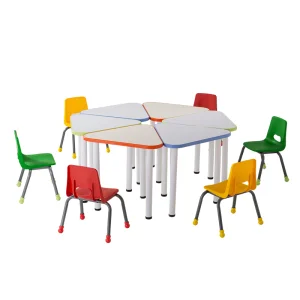
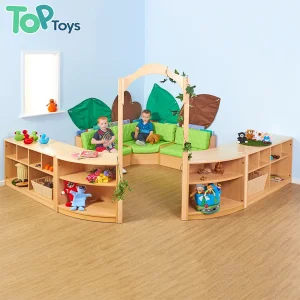
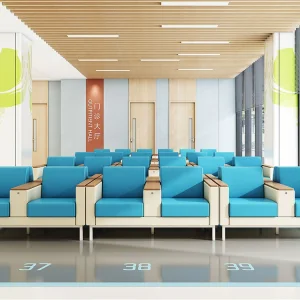
Our contract solutions are built around three main pillars: custom material selections, flexible minimum order quantities (MOQs) that support project staging, and comprehensive quality control. Whether delivering educational furniture for Montessori classrooms or durable waiting area seating for modern medical institutions, we ensure each item aligns with the exact durability, safety, and acoustic standards required for modern commercial spaces.
Providing specialized product engineering, turning raw CAD drawings into mass-manufacturable furniture while retaining structural integrity.
Strategic scheduling allows lower MOQ trial orders, giving commercial distributors and wholesale partners a risk-mitigated entry into new regional markets.
Complete customs preparation, cargo consolidation, and ocean freight logistics to over 50 countries, minimizing logistical carbon footprint.
Deep dive into the material science backing our sustainable, low-impact manufacturing processes.
To achieve verifiable carbon reductions in commercial furniture, raw material selection is key. Guangzhou Mingkei utilizes sustainably managed timbers, including FSC-certified teak and premium northern birch. Teak offers exceptional durability for outdoor hospitality spaces (such as garden lounge setups), removing the need for synthetic, chemical-heavy protective coatings. North American birch wood serves as the core substrate for indoor educational and residential lines, providing high structural strength alongside minimal emissions.
Beyond solid timber, we focus heavily on our adhesive and textile selections. Conventional furniture production often relies on formaldehyde-rich glues, which can outgas into indoor spaces for years. We mitigate this risk by using low-emission adhesives that comply with CARB Phase II and EN 717-1 standards. Our upholstery options utilize natural linen, cotton, and eco-certified polyester fabrics that do not contain fluorinated compounds (PFAS), supporting clean indoor air quality and safe end-of-life material recycling.
Transparency through every phase of the manufacturing process, highlighting high-tech machinery and meticulous quality controls.
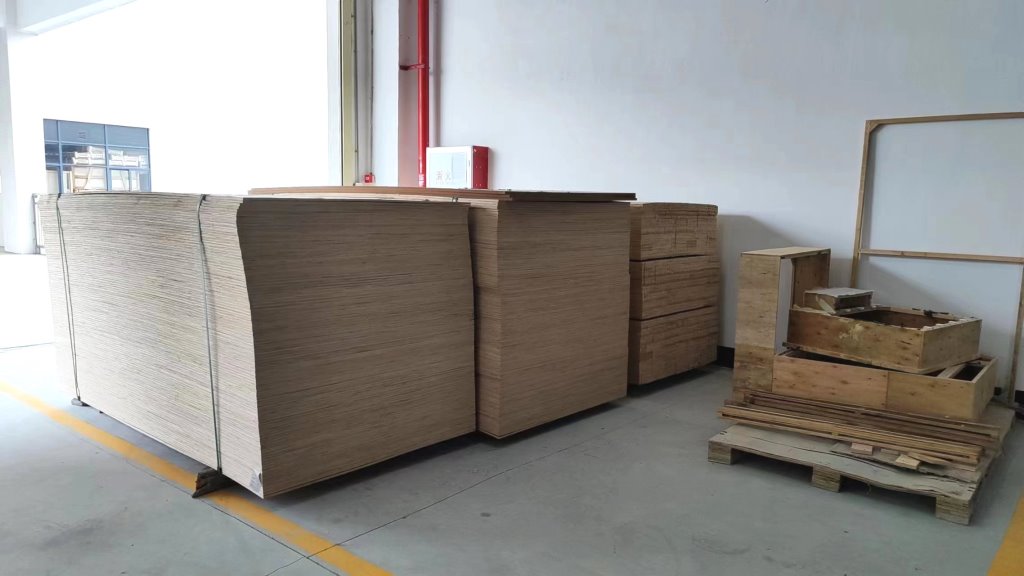
Moisture testing and structural grading ensure raw logs and timber satisfy standard stability requirements prior to cutting.
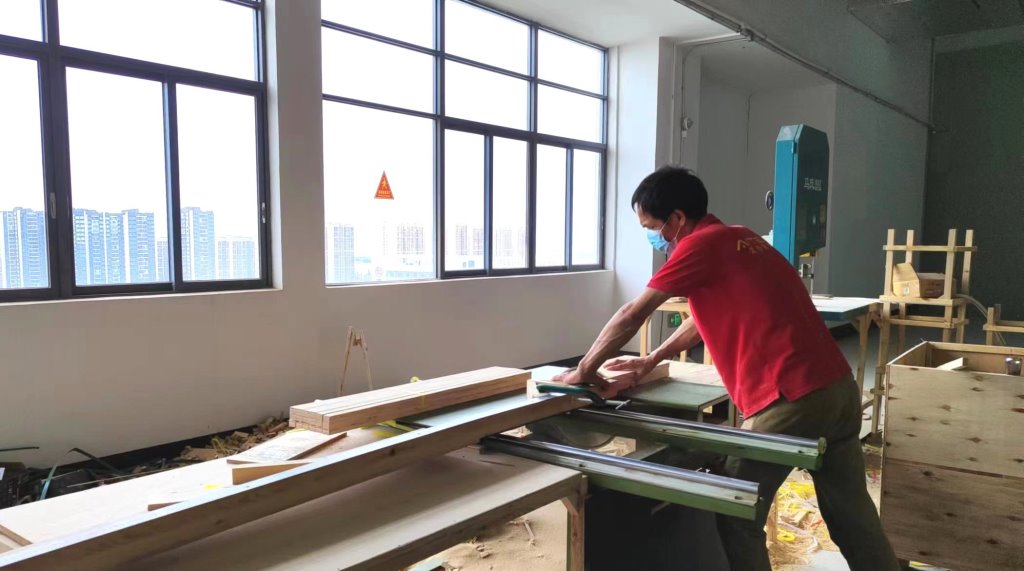
High-precision sawing cuts timber elements to design specifications while minimizing raw material waste.
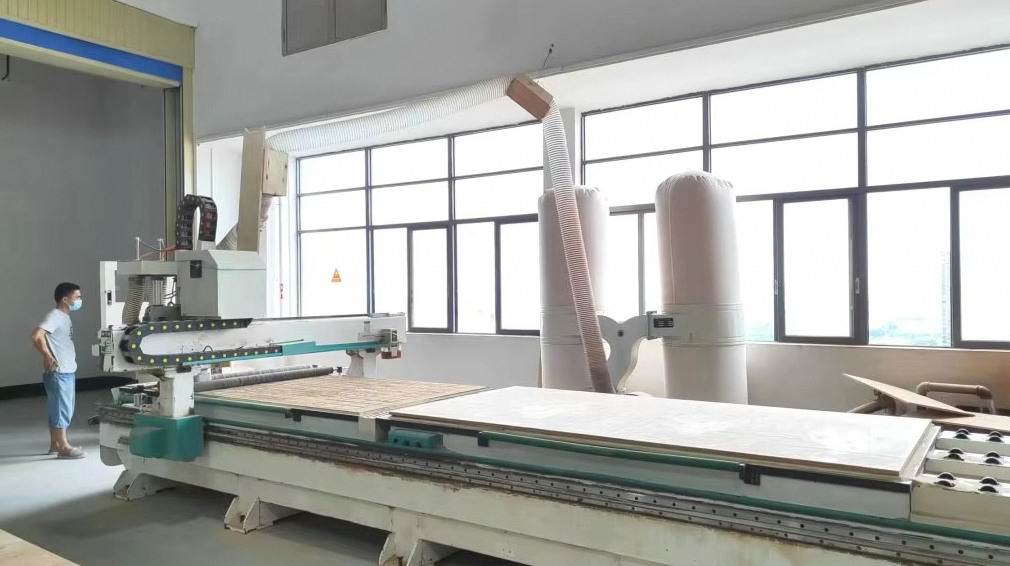
Skilled artisan processes shape joints, recesses, and decorative profiles, ensuring consistent assembly fits.
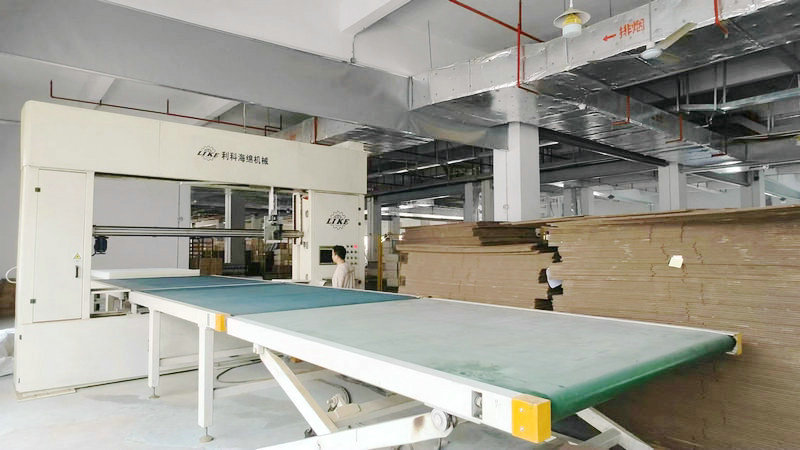
Cutting ergonomic, multi-density high-resilience foams to form durable seat cores that maintain their shape over time.
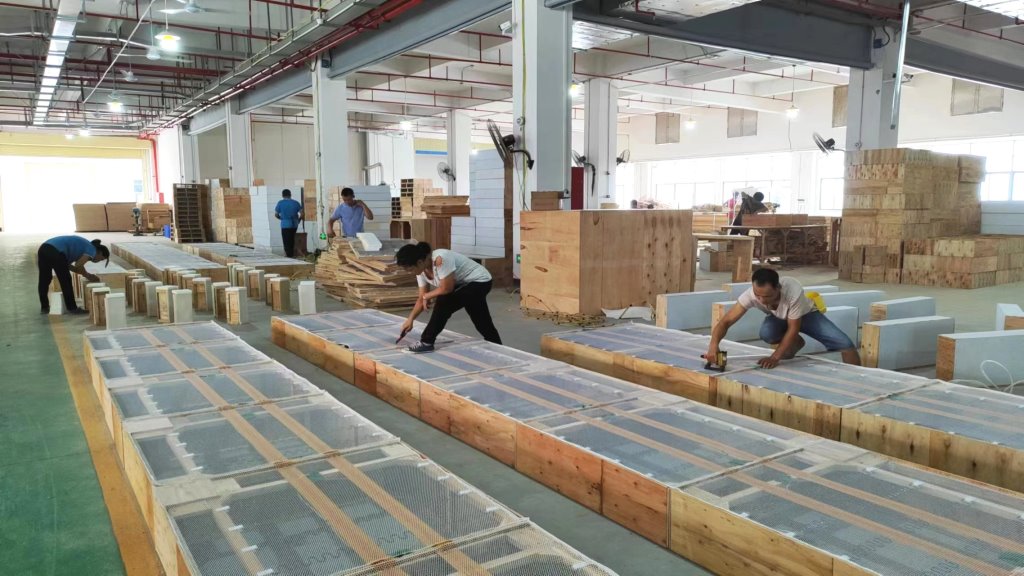
Preliminary frame assembly tests joint tolerances and weight-bearing points before final bonding.
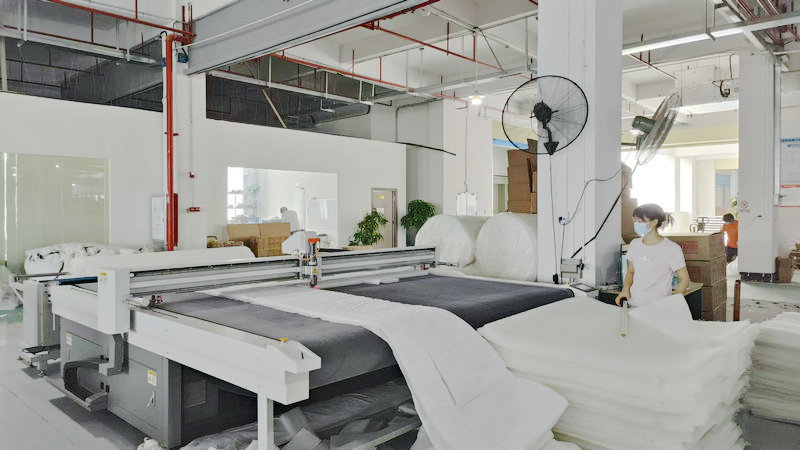
Pattern templates are aligned and cut from textile rolls to minimize fabric scrap and optimize yield.
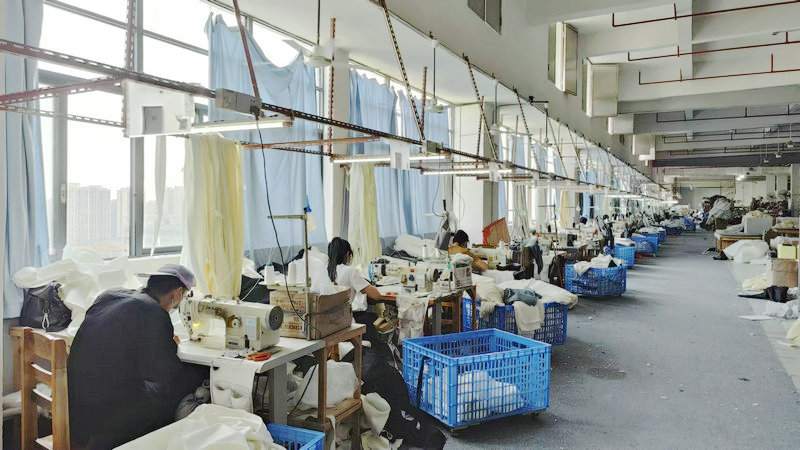
Heavy-duty double stitching joins upholstery panels, ensuring durable seams under commercial use.
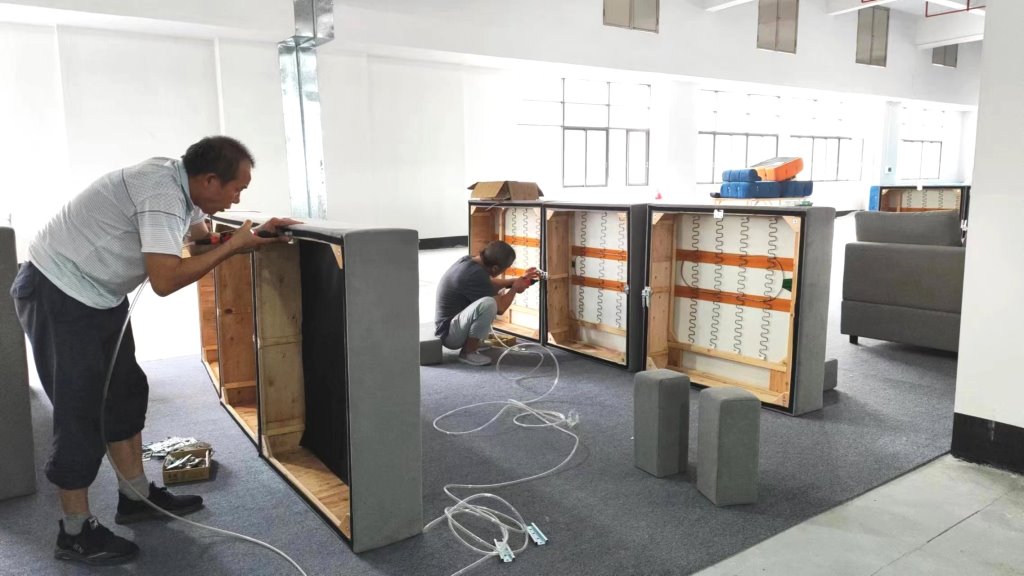
Fastening core wood structures with dowels, mortise-and-tenon joints, and reinforcing brackets.
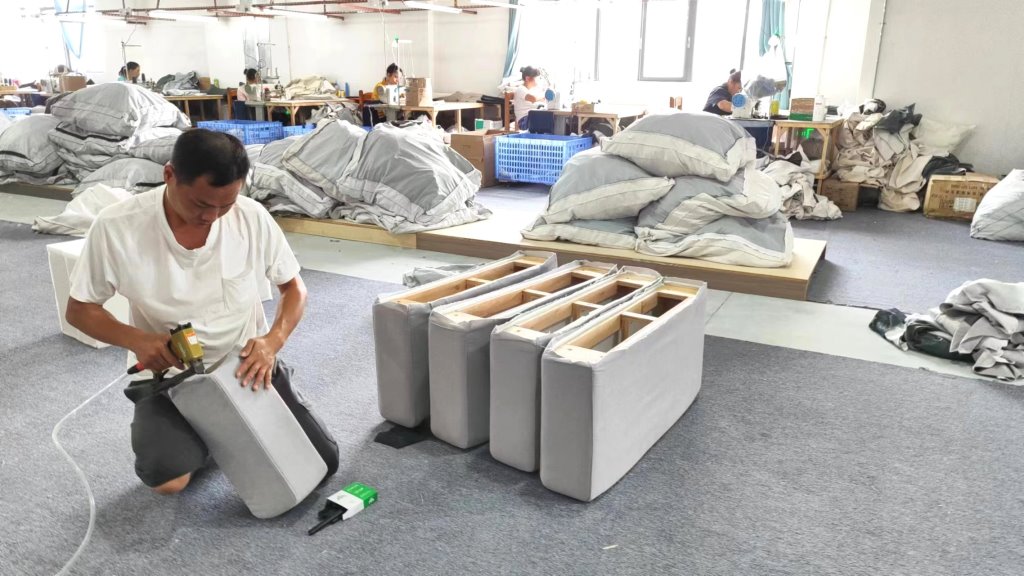
Stretching and securing cushioning and outer textiles over the solid frame to create smooth, consistent surfaces.
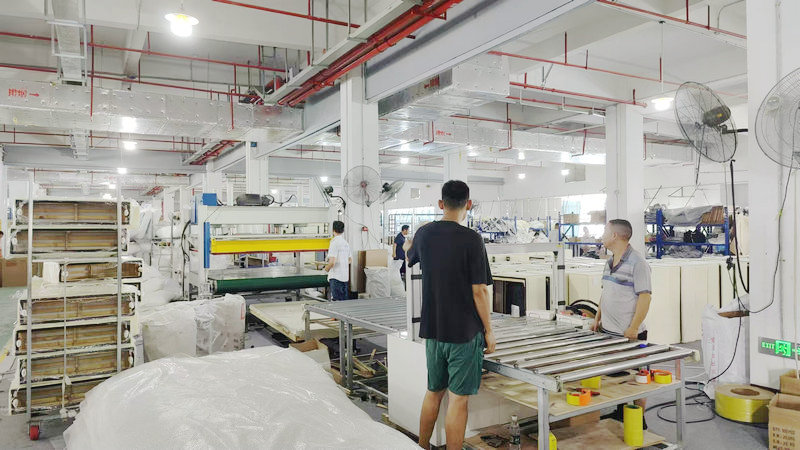
Thorough cleaning and inspection of all pieces, followed by packing in recyclable protective cartons.
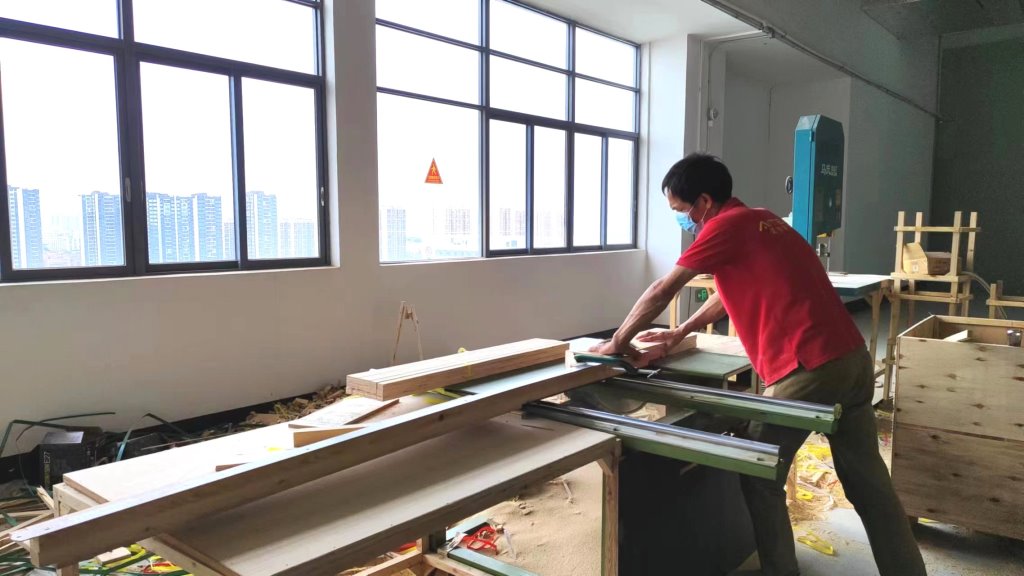
Industrial sliding table saws cut large wood panels to size with minimal edge chipping.
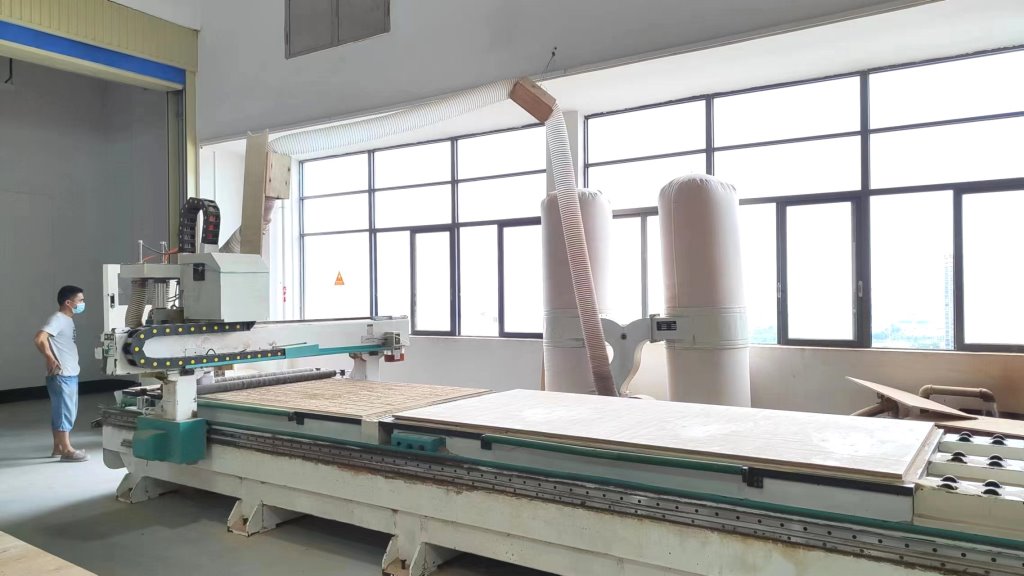
Computer-guided milling machines carve intricate components with high detail and repeat accuracy.
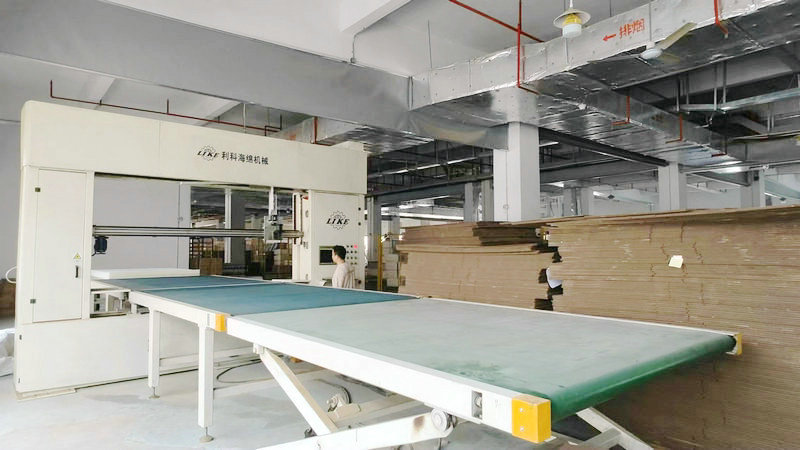
Pneumatic and vertical cutting machines shape foam panels into precise support pieces.
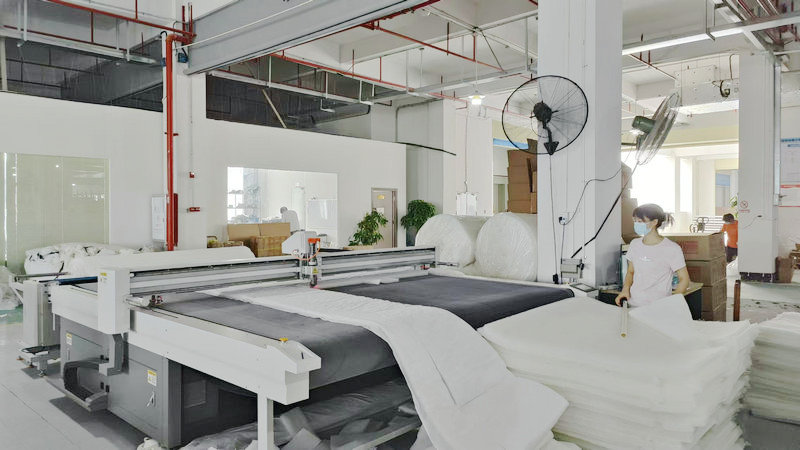
Spacious, flat cutting surfaces allow multi-layer textile sorting to ensure consistent weave alignment.
Ensuring our products meet international quality and safety benchmarks for global export markets.
International B2B sourcing requires strict adherence to regional safety and environmental certifications. Different jurisdictions enforce distinct requirements for flame retardancy, chemical exposure, and electrical components. For example, commercial projects in the United States often demand compliance with California Proposition 65 and CARB Phase II formaldehyde standards, whereas UK-based hospitality spaces require BS 5852 flammability testing. Additionally, contract furniture must endure higher physical stress than residential items, requiring testing under EN 581 or ANSI/BIFMA standards.
Guangzhou Mingkei Furniture Co., Ltd. addresses these requirements by building compliance directly into our manufacturing workflows. We select raw materials with recognized certificates and subject finished products to certified third-party testing (including CE, RoHS, and UL). This thorough verification process reduces risks for global importers, enabling smooth customs clearance and compliance with regional construction codes.
Compliance validation for European markets, covering health, safety, and environmental protection requirements.
Restricting hazardous substances in product manufacturing, safeguarding end-user safety and simplifying material circularity.
Safety evaluations for functional, electrical, and structural components to ensure suitability for public space installations.
Answers to common questions regarding contract capabilities, sustainable certifications, logistics, and customization options.
We offer a variety of sustainable materials including FSC-certified teak and birch wood, recycled aluminum, and natural fibers such as cotton and linen. All adhesives and finishes are selected to meet E0/E1 formaldehyde emission standards and low-VOC requirements, supporting healthier indoor air quality in commercial spaces.
Our quality management system is implemented at every step of production. We conduct moisture testing on incoming timber, utilize automated CNC machinery for precise machining, perform structural pre-assemblies to verify joint tolerances, and complete a final quality check before packaging.
Yes, we offer complete OEM and ODM design translation. Our engineering team can work from your CAD drawings, architectural models, or specification sheets to develop functional prototypes, optimize material selections, and prepare products for commercial-scale manufacturing.
We export products to more than 50 countries, including North America, Europe, Australia, and the Middle East. We offer flexible terms such as FOB, CIF, and EXW, and coordinate container consolidation and logistics documentation to help streamline customs clearance.
We source raw materials that hold recognized environmental certifications. Our finished products undergo testing for CE, RoHS, and UL compliance, and we can coordinate third-party lab testing to meet specific regional requirements such as BS 5852 or ANSI/BIFMA if required.
Explore our additional architectural ranges designed for educational spaces, medical interiors, and commercial properties.
 Mingkei Furniture